

Galaxy S10+ Vs iPhone 11 Pro Max

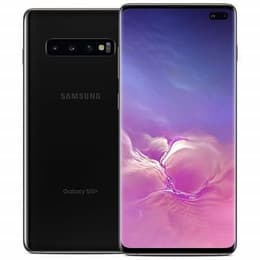
Galaxy S10+
Galaxy S10+
Starting at

Refurbished price:135.00

Versus €1,009.00 new

See options
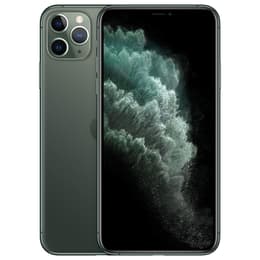
iPhone 11 Pro Max
iPhone 11 Pro Max
Starting at

Refurbished price:201.00

Versus €939.00 new

See options

Ratings

The Samsung Galaxy S10 Plus, released in March 2019, and the iPhone 11 Pro Max, launched in September 2019, represent flagship devices from their respective manufacturers. While both offer premium smartphone experiences, they diverge in their operating systems and design philosophies. The Galaxy S10 Plus features an Android-based experience with a focus on customization and hardware versatility, whereas the iPhone 11 Pro Max runs on iOS, emphasizing a streamlined user experience and deep ecosystem integration. These differences lead to distinct user experiences, particularly in areas like camera capabilities and software longevity.

Scores

Durability

When considering the long-term usability of these devices, their release timelines and software support are key factors.

  • Release Timeline and OS Support: The iPhone 11 Pro Max, being released several months after the Galaxy S10 Plus, benefits from a slightly longer period of guaranteed software updates from its manufacturer. Apple typically provides iOS updates for 5-6 years from a device's release, while Samsung's Android update policy for the S10 Plus generally offered 3 major OS updates and an additional year of security patches.
  • Practical Lifespan: Both devices feature robust builds, with the Galaxy S10 Plus utilizing Corning Gorilla Glass 6 on the front and Gorilla Glass 5 on the back, alongside an aluminum frame. The iPhone 11 Pro Max boasts what Apple described as the toughest glass ever in a smartphone at its release, complemented by a stainless steel frame. Both are rated IP68 for water and dust resistance, indicating good protection against environmental elements. Users can expect several years of reliable performance from either device, with the iPhone potentially offering a longer software support window.

Year of Release

2019

2019

Compatible with latest Update

No

Yes

OS

Android

iOS

Foldable

No

No

Performance

Both the Galaxy S10 Plus and the iPhone 11 Pro Max were equipped with high-end internal components for their time, delivering capable performance.

  • Everyday Responsiveness: The iPhone 11 Pro Max handles demanding applications and multitasking with notable smoothness, providing a fluid user experience. The Galaxy S10 Plus also offers a responsive experience for daily tasks, app loading, and general navigation.
  • Storage and Multitasking: The Galaxy S10 Plus was available with various storage options and up to 12GB of RAM, which supports extensive multitasking. The iPhone 11 Pro Max came with 4GB of RAM and storage options up to 512GB, optimized by iOS for efficient memory management.
  • Battery Behavior: The iPhone 11 Pro Max is widely recognized for its exceptional battery longevity, often providing up to two days of use for moderate users. The Galaxy S10 Plus, with its 4100 mAh battery, also offers solid all-day battery life for most users, though some reports indicate it might require charging by bedtime for heavy usage.

Memory (GB)

8 GB

4 GB

Screen quality

The visual experience on both devices is characterized by high-quality displays, though with some distinctions in technology and design.

  • Display Technology and Clarity: The Galaxy S10 Plus features a 6.4-inch Dynamic AMOLED display with a resolution of 3040 x 1440 pixels, resulting in a pixel density of 522 ppi. The iPhone 11 Pro Max sports a 6.5-inch Super Retina XDR OLED display with a resolution of 2688 x 1242 pixels, offering a pixel density of 458 ppi. Both displays deliver vibrant colors, deep blacks, and excellent clarity for viewing content.
  • Brightness and Viewing Experience: Both phones offer high brightness levels, with the iPhone 11 Pro Max reaching up to 1200 nits peak brightness for HDR content, and the S10 Plus also capable of high luminance for outdoor visibility. The Galaxy S10 Plus features a punch-hole cutout for its front cameras, offering a more expansive screen-to-body ratio compared to the iPhone 11 Pro Max's larger notch.
  • Refresh Rate: Both devices feature a standard 60Hz refresh rate, providing a smooth experience for typical smartphone use.

Resolution

1440 x 3040

1242 x 2688

Screen type

Dynamic AMOLED

Super Retina XDR OLED

Audiovisual

Both smartphones offer versatile camera systems capable of capturing high-quality images and videos, each with its own strengths.

  • Camera System Capabilities: The Galaxy S10 Plus features a triple-camera setup on the rear, including a 12MP wide-angle lens with a variable aperture (f/1.5-2.4), a 12MP telephoto lens with 2x optical zoom, and a 16MP ultra-wide lens. The iPhone 11 Pro Max also has a triple-camera system, consisting of three 12MP sensors for wide, ultra-wide, and telephoto perspectives, with the telephoto offering 2x optical zoom.
  • Photography Performance: The iPhone 11 Pro Max introduced a highly effective Night Mode, significantly improving low-light photography. The Galaxy S10 Plus also performs well in various lighting conditions, with its variable aperture aiding in low-light scenarios, though its night mode was noted to be less consistent initially. Both phones produce images with good detail and color accuracy, though Samsung's processing can sometimes result in more vibrant, slightly saturated colors, while Apple aims for a more natural look.
  • Video Recording and Audio: Both devices support 4K video recording at 60 frames per second with good stabilization. The Galaxy S10 Plus offers 960fps super slow-motion video, which is a higher frame rate than the iPhone 11 Pro Max's 240fps slow-motion capability. Both provide good microphone quality for calls and recording, and stereo speakers for media consumption.

Main camera

12 megapixels

12 megapixels

Front camera

10 megapixels

12 megapixels

Miscellaneous

Beyond core features, several practical elements differentiate these two flagship devices.

  • Connectivity and Ports: Both phones support modern connectivity standards, including Wi-Fi 6 (802.11ax) and Bluetooth 5.0. A notable difference is the presence of a 3.5mm headphone jack on the Galaxy S10 Plus, which is absent on the iPhone 11 Pro Max. The S10 Plus uses a USB-C port, while the iPhone 11 Pro Max uses Apple's proprietary Lightning port.
  • Sensors and Biometrics: The Galaxy S10 Plus features an ultrasonic in-display fingerprint sensor for biometric authentication, along with 2D face unlock. The iPhone 11 Pro Max relies solely on Face ID, its advanced facial recognition system, for secure unlocking and payments.
  • Design and Handling: The Galaxy S10 Plus weighs 175g (or 198g for ceramic models) and has dimensions of 157.6 x 74.1 x 7.8 mm. The iPhone 11 Pro Max is slightly heavier at 226g and measures 158 x 77.8 x 8.1 mm. The iPhone 11 Pro Max features a stainless steel frame, which is generally considered more resistant to scratches than the aluminum frame of the S10 Plus.

Weight

175 g

226 g

Screen size (in)

6.4

6.5

Network

4G

4G

SIM card

Physical SIM

Physical SIM + eSIM

Carrier compatibility

Unlocked

Unlocked

Connector

USB-C + Jack 3.5mm

Lightning

The Samsung Galaxy S10 Plus and the iPhone 11 Pro Max, while both premium devices from 2019, cater to slightly different user preferences. Users often praise the iPhone 11 Pro Max for its exceptional battery life, robust performance, and consistent camera quality, particularly its Night Mode. Some common criticisms include its larger notch design and the continued use of the Lightning port.

The Galaxy S10 Plus is frequently lauded for its vibrant Dynamic AMOLED display with a less intrusive punch-hole design, the inclusion of a headphone jack, and expandable storage. User feedback sometimes points to its software update longevity being shorter compared to Apple's offerings, and its initial low-light camera performance not always matching the iPhone's.

Users prioritizing a long-lasting battery, a highly optimized software experience, and strong low-light photography capabilities may find the iPhone 11 Pro Max well-suited to their needs. Conversely, individuals who value display customization, the flexibility of a headphone jack, expandable storage, and an in-display fingerprint sensor might lean towards the Galaxy S10 Plus. Both devices offer a high-quality smartphone experience, and choosing between them often comes down to a preference for iOS versus Android, and specific feature priorities. For those looking for a more sustainable choice, both models are available as quality-assured refurbished options, extending their lifespan and reducing electronic waste.


See all articles

Our recent comparisons




