

Compare models
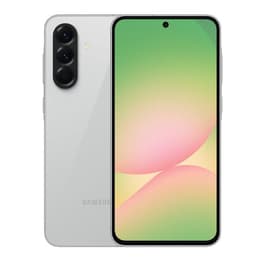
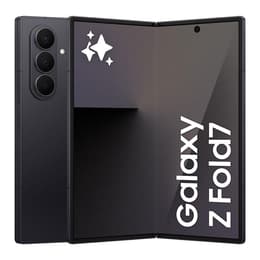
Galaxy A56 Vs Galaxy Z Fold7
- 1-year minimum warranty
- Free delivery on all orders
- Free 30-day returns
Differences at a glance
The Samsung Galaxy A56 (2025) and the Samsung Galaxy Z Fold7 (2025) represent two entirely different approaches to modern smartphone engineering. While the Galaxy A56 follows a traditional slate design focused on balanced everyday utility, the Galaxy Z Fold7 introduces a book-style folding form factor designed to expand screen workspace dynamically. These devices cater to distinct user needs through vastly different structural concepts while operating within the same Android ecosystem.
Available Models
Colour
Storage (GB)
Scores
Durability
Both models benefit from modern software update policies, though their hardware durability profiles diverge significantly due to their mechanical designs.
- Software longevity: Both devices receive multi-year operating system upgrades and security patches, helping maintain software relevance over an extended period.
- Physical durability: The Galaxy A56 features a rigid, water-resistant unibody construction, whereas the Galaxy Z Fold7 incorporates a complex folding hinge mechanism that requires careful handling despite modern reinforcement materials.
- Repairability and wear: Standard slate phones like the Galaxy A56 generally offer simpler maintenance pathways, while folding displays and hinges on the Galaxy Z Fold7 demand specialized care over years of daily folding cycles.
Year of Release
2025
2025
Compatible with latest Update
Yes
Yes
OS
Android
Android
Foldable
No
Yes
Performance
Processing capabilities and multitasking styles differ notably, reflecting the distinct market tier and hardware architecture of each device.
- App loading and multitasking: The Galaxy Z Fold7 handles heavy professional applications and simultaneous multi-window use effortlessly, while the Galaxy A56 manages standard daily apps, social media, and moderate multitasking smoothly.
- Storage capacity: Both smartphones provide ample internal storage configurations, though neither model supports physical card expansion.
- Battery behavior: The Galaxy A56 relies on a large battery capacity to comfortably sustain standard use patterns, whereas the Galaxy Z Fold7 manages power across two separate displays, meaning frequent users of the large inner screen may need a midday charge.
Screen quality
Display architecture is the most striking differentiator, separating a conventional single-screen experience from an expansive transformable workspace.
- Display technology: The Galaxy A56 utilizes a vibrant Super AMOLED panel with a fixed layout, while the Galaxy Z Fold7 opens up to a tablet-sized foldable OLED screen accompanied by an external cover display.
- Outdoor visibility: Both models achieve high peak brightness levels, ensuring content remains legible under direct sunlight conditions.
- Smoothness and refresh rate: Both screens support a 120Hz refresh rate, delivering fluid scrolling and responsive touch interaction across all supported applications.
Resolution
1080x2340
1968x2184
Audiovisual
Optics and media consumption hardware cater to different photography habits and multimedia preferences.
- Camera systems: The Galaxy Z Fold7 features a high-resolution main sensor alongside versatile secondary lenses for detailed distant framing, while the Galaxy A56 equips a reliable multi-sensor setup suited for everyday casual snapshots.
- Video and low light: Both devices record stable video clips and handle low-light environments effectively using automated image processing software.
- Media consumption: The Galaxy Z Fold7 provides an expansive canvas for watching videos and viewing documents, whereas the Galaxy A56 offers a conventional, comfortable widescreen aspect ratio for media playback.
Miscellaneous
Physical dimensions, connectivity standards, and daily handling characteristics establish distinct user experiences outside of core computing tasks.
- Handling and weight: The Galaxy A56 presents a standard, lightweight profile that rests easily in one hand, while the Galaxy Z Fold7 carries a heavier footprint when closed and a much wider profile when fully opened.
- Connectivity: Both models include modern 5G cellular capabilities, Wi-Fi standards, and near-field communication for digital transactions.
- Security sensors: The Galaxy A56 integrates an optical fingerprint reader beneath the display, whereas the Galaxy Z Fold7 utilizes a side-mounted fingerprint sensor embedded in the power button.
Weight
198 g
215 g
Screen size (in)
6.7
8.0
Network
5G
5G
SIM card
Dual Physical SIM + eSIM
Carrier compatibility
Unlocked
Unlocked
Connector
USB-C
USB-C (USB 3)
What the community thinks
User feedback from online communities highlights distinct preferences for each device based on daily lifestyle requirements. Owners of the Galaxy A56 frequently praise its reliable battery longevity, comfortable ergonomics, and straightforward reliability for everyday communication. Conversely, users of the Galaxy Z Fold7 heavily value the expanded screen space for productivity, multitasking, and media viewing, though some note the heavier weight and visible screen crease as minor trade-offs inherent to the folding design.
Users prioritizing pocket-friendly ergonomics, straightforward utility, and simple handling will find the Galaxy A56 well-suited to their needs. Meanwhile, users prioritizing maximum screen workspace, advanced multitasking, and innovative hardware formats may lean toward the Galaxy Z Fold7. For those exploring sustainable purchasing routes, choosing a quality-assured refurbished option provides an eco-friendly alternative that reduces electronic waste without compromising on performance standards.