

Compare models

Galaxy A55 Vs Galaxy Z Flip7

  • 1-year minimum warranty
  • Free delivery on all orders
  • Free 30-day returns
Galaxy A55
Starting at

Refurbished price:249.00

Versus €419.00 new

See options
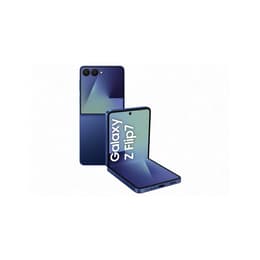
Galaxy Z Flip7
Starting at

Refurbished price:594.00

Versus €1,328.48 new

See options

Differences at a glance

The Samsung Galaxy A55 (2024) and the Samsung Galaxy Z Flip7 (2025) represent two distinct smartphone philosophies within Samsung's ecosystem, contrasting a traditional slate design with a modern foldable form factor. While the Galaxy A55 focuses on delivering reliable core performance and durability in a standard format, the Galaxy Z Flip7 introduces a compact clamshell design with an expanded cover screen and advanced capabilities. Both devices run on Android with Samsung's interface, but their structural differences and target release years shape entirely different everyday user experiences.

Available Models

Colour

Storage (GB)

Scores

Durability

When evaluating longevity, the Galaxy A55 and the Galaxy Z Flip7 reflect different release timelines and software support windows, though both are built to handle years of daily use.

  • Software support timeline: The Galaxy Z Flip7 benefits from a more recent launch year and an extended software update commitment, while the Galaxy A55 follows a standard mid-range update schedule.
  • Hardware durability: The Galaxy A55 features a traditional rigid frame with reinforced glass, whereas the Galaxy Z Flip7 utilizes an innovative folding hinge mechanism that requires careful handling over extended periods.
  • Repairability considerations: Traditional slate devices like the Galaxy A55 generally offer straightforward component replacement options compared to complex foldable structures.

Year of Release

2024

2025

Compatible with latest Update

Yes

Yes

OS

Android

Android

Foldable

No

Yes

Performance

Underneath their exteriors, these devices manage everyday apps, multitasking, and system navigation through different hardware tiers suited to their respective classes.

  • Multitasking and app switching: Both phones handle everyday tasks, social media apps, and web browsing smoothly, though the Galaxy Z Flip7 provides extra memory headroom for demanding workloads and advanced features.
  • Battery behavior: The Galaxy A55 includes a larger internal battery capacity that easily sustains a full day of heavy use, while the Galaxy Z Flip7 balances a more compact battery with efficient hardware management.
  • Storage configurations: Both models offer ample internal storage capacities for media and applications, with the Galaxy A55 additionally supporting expandable storage via a microSD card slot.

Screen quality

Display technology is a major differentiator, comparing a spacious traditional panel against a flexible screen design with a secondary outer display.

  • Display technology: The Galaxy A55 features a flat, vibrant OLED panel, while the Galaxy Z Flip7 deploys a foldable OLED main screen paired with a large, functional cover screen for quick interactions.
  • Brightness and outdoor visibility: Both screens reach high peak brightness levels, ensuring clear visibility and sharp text readability under direct sunlight.
  • Refresh rate smoothness: Both devices support a 120Hz refresh rate, delivering fluid scrolling through menus, web pages, and supported applications.

Resolution

1080 x 2340

1080x2520

Audiovisual

Media creation and consumption capabilities vary across these models, reflecting different physical layouts and optical configurations.

  • Camera versatility: The Galaxy A55 utilizes a reliable triple-lens rear setup, whereas the Galaxy Z Flip7 offers a dual-lens primary array that benefits from unique folding angles for hands-free framing.
  • Low-light performance: Both devices capture clear photos in dim environments using built-in image stabilization and software processing enhancements.
  • Audio and media output: Both phones feature stereo speakers that deliver balanced sound output for hands-free calls, video streaming, and casual music listening.

Front camera

32 megapixels

10 megapixels

Miscellaneous

Practical daily usability elements, physical dimensions, and connectivity standards shape how each device fits into travel or work routines.

  • Connectivity standards: Both smartphones support fast 5G network speeds, modern Bluetooth standards, and reliable Wi-Fi connectivity for stable data access.
  • Physical handling: The Galaxy A55 presents a standard slab profile with a slightly heavier build, while the Galaxy Z Flip7 folds down into a compact square that easily slips into small pockets.
  • Authentication sensors: Both models provide secure biometric unlocking via fast facial recognition and fingerprint sensors integrated into their physical layouts.

Weight

213 g

188 g

Screen size (in)

6.6

6.9

Network

5G

5G

SIM card

Dual Physical SIM

Physical SIM + eSIM

Carrier compatibility

Unlocked

Unlocked

Connector

USB-C

USB-C

What the community thinks

User feedback from online communities highlights distinct preferences for each device based on lifestyle and utility. Owners of the Galaxy A55 frequently praise its dependable battery life, sturdy build, and straightforward reliability for daily tasks. Conversely, users of the Galaxy Z Flip7 often emphasize the convenience of its compact folding shape, pocket-friendly dimensions, and the utility of the large cover screen for checking notifications on the go. Common discussions around the foldable model often touch on the visibility of the screen crease, while mid-range users occasionally request faster processing speeds for intensive gaming.

Users prioritizing a traditional, sturdy design with reliable battery life and expandable storage will find the Galaxy A55 well-suited to their needs. Meanwhile, users who value pocket portability, innovative folding mechanics, and a unique form factor may lean toward the Galaxy Z Flip7. For those seeking a sustainable choice, a quality-assured refurbished option provides a reliable way to experience these technologies while reducing electronic waste. Ultimately, the choice depends on whether a traditional slate layout or a foldable design best complements your daily routine.