

Galaxy A14 Vs iPhone 12 Pro

Galaxy A14
Galaxy A14
Starting at

Refurbished price:97.00

Versus €269.00 new

See options
iPhone 12 Pro
iPhone 12 Pro
Starting at

Refurbished price:214.00

Versus €1,039.00 new

See options

Ratings

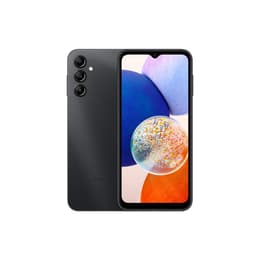
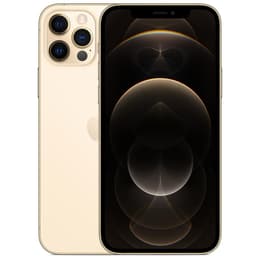
The Samsung Galaxy A14 (2023) and the iPhone 12 Pro (2020) represent different segments of the smartphone market, released three years apart. The Galaxy A14 is an Android device designed for everyday functionality, while the iPhone 12 Pro, an iOS device, was a former flagship known for its advanced camera system and premium build. Their core differences lie in their operating systems, processing power, and photographic capabilities.

Scores

Durability

When considering the practical lifespan of these devices, their release timelines and software support policies are key factors. The iPhone 12 Pro, being an Apple device, typically receives a long duration of iOS updates, extending its software longevity. The Galaxy A14, while newer, follows Samsung's update policy for its A-series, which is generally shorter than Apple's flagship support.

  • Software Support: The iPhone 12 Pro, released in October 2020, launched with iOS 14 and is expected to receive updates for several more years, with current versions like iOS 26.4 available. The Galaxy A14, released in early 2023 with Android 13, is typically promised two major Android version updates and four years of security upgrades, meaning it will receive fewer major OS updates than the iPhone 12 Pro. [8, 10, 17, 23, 30, 32]
  • Repairability: The Samsung Galaxy A14 boasts a higher repairability score of 8 out of 10, making it relatively straightforward to disassemble and replace components like the battery, which features convenient pull tabs. In contrast, the iPhone 12 Pro has a repairability score of 6 out of 10; while many components are modular, it uses proprietary screws and its increased waterproofing can complicate repairs. [7, 13, 18, 20, 21, 25, 29, 41, 43, 46]
  • Expected Lifespan: Users can expect the iPhone 12 Pro to remain functionally current for a longer period due to extended software support. The Galaxy A14 offers a solid practical lifespan for its category, particularly benefiting from its easier repairability for common component replacements.

Year of Release

2023

2020

Compatible with latest Update

No

Yes

OS

Android

iOS

Foldable

No

No

Performance

The performance experience on these two devices varies significantly, reflecting their different market positions and release eras. The iPhone 12 Pro, as a former flagship, offers a more robust and responsive user experience, while the Galaxy A14 provides reliable performance for everyday tasks.

  • Processing Power: The iPhone 12 Pro delivers a consistently smooth and fast experience, handling demanding applications and multitasking with ease. Its processing architecture ensures quick app loading and fluid navigation. The Galaxy A14 provides efficient performance for its segment, suitable for general use like browsing, social media, and light gaming, though some users have noted occasional lag or stuttering with more intensive tasks or animations. [1, 2, 12, 14, 40]
  • Multitasking and Responsiveness: The iPhone 12 Pro excels in maintaining responsiveness even with multiple applications running simultaneously, allowing for seamless transitions between tasks. The Galaxy A14 can handle multitasking for typical usage, but users who frequently switch between many apps or run resource-heavy programs might notice a difference in fluidity. [14]
  • Battery Behavior: The Galaxy A14 features a larger battery capacity, often providing up to two days of moderate use or a full day under heavy usage. Charging is done via 15W wired charging, which takes a few hours for a full charge. The iPhone 12 Pro's battery life is generally considered average, capable of lasting a day for moderate users, but heavy use, especially with 5G connectivity, can lead to more frequent charging. [1, 2, 6, 14, 16, 31, 35, 37]

Memory (GB)

4 GB

6 GB

Screen quality

The visual experience offered by these two smartphones differs notably, primarily due to their display technologies and brightness capabilities. The iPhone 12 Pro features a premium display, while the Galaxy A14 offers a large, clear screen suitable for its category.

  • Display Technology and Clarity: The iPhone 12 Pro utilizes a 6.1-inch Super Retina XDR OLED display, which provides deep blacks, vibrant colors, and excellent contrast. Its high pixel density results in sharp and detailed visuals. The Galaxy A14 features a larger 6.6-inch PLS LCD display with a Full HD+ resolution, offering good clarity for general viewing, though it does not match the contrast and color depth of an OLED panel. [1, 3, 5, 8, 9, 10, 17, 23, 24, 32]
  • Brightness and Outdoor Visibility: The iPhone 12 Pro offers a typical maximum brightness of 800 nits, peaking at 1200 nits for HDR content, ensuring good visibility even in bright outdoor conditions. The Galaxy A14's display peaks at around 500 nits, which can make it challenging to view comfortably under direct sunlight. [1, 3, 27, 36, 45]
  • Refresh Rate and Smoothness: The Galaxy A14 features a 90Hz refresh rate, contributing to a smoother scrolling experience and more fluid animations compared to standard 60Hz displays. The iPhone 12 Pro has a standard 60Hz refresh rate, which provides a consistent visual experience but does not offer the same level of smoothness as higher refresh rate screens. [1, 8, 23, 32]

Resolution

1080 x 2408

1170 x 2532

Screen type

PLS LCD

Super Retina XDR OLED

Audiovisual

The camera systems on the Galaxy A14 and iPhone 12 Pro cater to different photographic needs, with the iPhone 12 Pro offering a more advanced and versatile setup, particularly in challenging lighting conditions.

  • Rear Camera System: The iPhone 12 Pro features a triple 12-megapixel camera system, including wide, ultrawide, and 2x telephoto lenses, complemented by a LiDAR scanner for improved autofocus in low light and enhanced depth sensing. The Galaxy A14 (5G version) comes with a 50-megapixel main camera, a 2-megapixel macro lens, and a 2-megapixel depth sensor, lacking a dedicated ultrawide or telephoto lens. [1, 2, 4, 8, 12, 14, 22, 24, 32]
  • Photography Performance: The iPhone 12 Pro excels in various lighting conditions, offering improved low-light performance, Night mode on its wide and ultrawide cameras, and Night mode portraits. Its computational photography capabilities result in sharp images with good color representation and dynamic range. The Galaxy A14 performs well in bright daylight, capturing decent detail and good portrait shots, but struggles significantly in low-light environments due to the absence of a dedicated night mode. [1, 2, 4, 12, 14, 19, 22, 26, 33, 38]
  • Video Recording and Audio: The iPhone 12 Pro supports Dolby Vision HDR video recording at up to 4K resolution and 60 frames per second, providing high-quality video with extended dynamic range. The Galaxy A14 is limited to 1080p video recording at 30 frames per second for both its front and rear cameras. Both devices offer capable microphone quality for calls and recording, and their speaker outputs are suitable for media consumption, though the iPhone 12 Pro generally provides a richer audio experience. [1, 12, 14, 22, 38]

Main camera

50 megapixels

12 megapixels

Front camera

13 megapixels

12 megapixels

Miscellaneous

Beyond their core features, several practical elements differentiate the Galaxy A14 and iPhone 12 Pro, impacting daily usability and connectivity.

  • Connectivity and Ports: Both devices support 5G connectivity, enabling faster mobile data speeds where available. The iPhone 12 Pro utilizes Wi-Fi 6 and Bluetooth 5.0, while the Galaxy A14 supports Wi-Fi 5 and Bluetooth 5.1. The iPhone 12 Pro features Apple's proprietary Lightning port, whereas the Galaxy A14 uses a more universal USB Type-C 2.0 port and retains a 3.5mm headphone jack, which is absent on the iPhone. [5, 8, 10, 14, 32]
  • Biometric Security and Sensors: The iPhone 12 Pro relies on Face ID for secure facial recognition. The Galaxy A14 incorporates a side-mounted fingerprint sensor for biometric authentication. The iPhone 12 Pro also includes a LiDAR scanner, which enhances augmented reality experiences and aids camera autofocus. [8, 12, 14, 22, 32]
  • Build Materials and Handling: The iPhone 12 Pro features a premium construction with a stainless steel frame and a Ceramic Shield front cover, offering enhanced durability and a more substantial feel. It weighs 189g. The Galaxy A14 has a plastic back and frame, weighing around 201-202g, providing a lighter and more grip-friendly design. Both devices offer a comfortable in-hand feel for their respective sizes. [10, 11, 14, 17, 30, 32]

Weight

201 g

187 g

Screen size (in)

6.6

6.1

Network

4G

5G

SIM card

Dual Physical SIM

Physical SIM + eSIM

Carrier compatibility

Unlocked

Unlocked

The Samsung Galaxy A14 and iPhone 12 Pro cater to distinct user needs and preferences. Users frequently praise the Galaxy A14 for its impressive battery life, expandable storage, and decent main camera performance in good lighting conditions. However, common criticisms include its slower overall performance, occasional lag, and struggles with low-light photography. Some users have also reported issues with overheating and touch responsiveness. [14, 15, 28, 39, 40, 42]

The iPhone 12 Pro is often lauded for its powerful and fluid performance, vibrant OLED display, and versatile camera system, particularly its telephoto lens and strong low-light capabilities. Its long-term software support is also a significant advantage. On the other hand, its battery life is a frequent point of criticism, especially with heavy usage or 5G connectivity, and its repairability score is lower than the A14. [12, 16, 31, 34, 35]

Users prioritizing a long-lasting battery, expandable storage, and a more repairable device for essential daily tasks may find the Galaxy A14 well-suited to their needs. It offers a practical Android experience for those who do not require top-tier performance or advanced camera features. Conversely, users who value a premium build, a powerful and responsive operating system, a superior camera for diverse photographic scenarios, and extended software longevity will likely lean toward the iPhone 12 Pro. Its advanced display and processing power make it ideal for more demanding applications and media consumption.

For those considering either device, exploring quality-assured refurbished options can provide an eco-friendly alternative, offering access to these technologies with a reduced environmental impact.


See all articles

Our recent comparisons