

Compare models
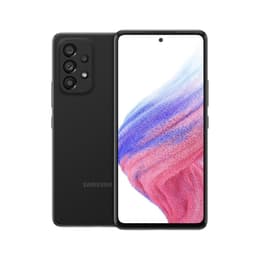
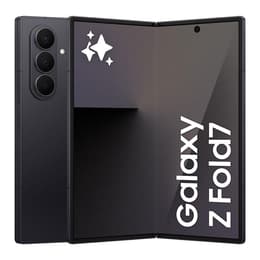
Galaxy A53 5G Vs Galaxy Z Fold7
- 1-year minimum warranty
- Free delivery on all orders
- Free 30-day returns
Differences at a glance
The Samsung Galaxy A53 5G (2022) and the Samsung Galaxy Z Fold7 (2025) represent two fundamentally distinct approaches to mobile device engineering within Samsung's ecosystem. While the Galaxy A53 5G is a traditional slate-style smartphone designed for everyday reliability, the Galaxy Z Fold7 introduces an innovative book-style folding design with dual screens and cutting-edge hardware. Both run on the Android operating system with Samsung's One UI interface, though they target vastly different user preferences.
Available Models
Colour
Storage (GB)
Scores
Durability
Device longevity and software support schedules vary significantly between these two models given their distinct release years and hardware categories.
- Release timeline and software support: The Galaxy A53 5G launched in 2022 with a multi-year update commitment, while the newer Galaxy Z Fold7 benefits from an extended software support window spanning several years from its 2025 release.
- Build durability and repairability: The Galaxy A53 5G features a standard slate chassis with dust and water resistance, whereas the Galaxy Z Fold7 incorporates complex folding hinge mechanisms and flexible display layers that require careful handling during daily use.
- Expected practical lifespan: The Galaxy Z Fold7 provides robust internal hardware headroom for long-term operational speed, while the Galaxy A53 5G offers dependable longevity for standard daily tasks and routine communication.
Year of Release
2022
2025
Compatible with latest Update
Yes
Yes
OS
Android
Android
Foldable
No
Yes
Performance
Processing power and multitasking capabilities reflect the gap between a standard mid-range device and a top-tier foldable flagship.
- Storage and memory configurations: The Galaxy A53 5G offers standard internal storage options alongside expandable storage via a memory card slot, while the Galaxy Z Fold7 provides high-capacity configurations paired with generous random access memory for heavy workloads.
- System responsiveness and multitasking: The Galaxy A53 5G handles web browsing, messaging, and media streaming smoothly, whereas the Galaxy Z Fold7 manages demanding applications, split-screen multitasking, and intensive mobile gaming effortlessly.
- Battery behavior: The Galaxy A53 5G relies on a large capacity power cell that easily sustains a full day of mixed use, while the Galaxy Z Fold7 balances energy across dual displays to support active daily routines.
Screen quality
Display architecture is one of the most prominent differentiators, moving from a single traditional panel to an expansive dual-screen setup.
- Display technology and layout: The Galaxy A53 5G uses a flat, single screen configuration, whereas the Galaxy Z Fold7 features a wider outer cover display alongside an 8.0-inch foldable main inner screen.
- Visual clarity and brightness: Both models utilize vibrant panel technology with high refresh rates for smooth scrolling, though the Galaxy Z Fold7 reaches higher peak brightness levels for comfortable outdoor viewing in direct sunlight.
- Media consumption experience: The Galaxy A53 5G provides a standard viewing area for videos and apps, while the Galaxy Z Fold7 expands into tablet-sized proportions when unfolded for immersive media and document reading.
Resolution
1080 x 2400
1968x2184
Audiovisual
Imaging capabilities span from practical multi-lens setups to advanced flagship-tier photography systems.
- Rear camera systems: The Galaxy A53 5G is equipped with a versatile multi-lens arrangement for everyday snapshots, while the Galaxy Z Fold7 features a high-resolution primary sensor alongside specialized ultra-wide and optical zoom lenses.
- Low-light and video performance: The Galaxy Z Fold7 utilizes advanced image processing engines to capture detailed low-light photos and high-resolution video recordings, whereas the Galaxy A53 5G delivers clear results under standard lighting conditions.
- Audio and media output: Both devices feature stereo speakers suitable for hands-free calls and video playback, with the Galaxy Z Fold7 offering a more robust acoustic profile for entertainment.
Miscellaneous
Physical dimensions, connectivity standards, and daily handling characteristics highlight the contrast between a conventional phone and a foldable device.
- Connectivity and ports: Both models support modern 5G networks, high-speed Wi-Fi standards, and secure authentication sensors, utilizing standard reversible charging ports.
- Weight and physical dimensions: The Galaxy A53 5G maintains a familiar, lightweight slate profile, whereas the Galaxy Z Fold7 is engineered to be notably thin and manageable despite housing a complex folding structure.
- Security features: Both devices incorporate biometric security methods, utilizing fingerprint recognition and facial scanning for quick device access.
Weight
189 g
215 g
Screen size (in)
6.5
8.0
Network
5G
5G
SIM card
Dual Physical SIM
Dual Physical SIM + eSIM
Carrier compatibility
Unlocked
Unlocked
What the community thinks
User discussions across online communities highlight distinct preferences for each device based on practical everyday routines. Owners of the Galaxy A53 5G frequently praise its dependable battery endurance, balanced feature set, and straightforward reliability for daily communication. Conversely, users of the Galaxy Z Fold7 emphasize appreciation for the expansive workspace provided by the folding screen and the fluid system responsiveness, though some note the inherent care required with folding glass mechanisms.
Users prioritizing a straightforward, pocket-friendly device for messaging, browsing, and media consumption will find the Galaxy A53 5G well-suited to their needs. On the other hand, users valuing maximum multitasking space, advanced mobile photography, and cutting-edge hardware design may lean toward the Galaxy Z Fold7. For those exploring eco-friendly alternatives, choosing a quality-assured refurbished option provides a sustainable path to acquiring either device while supporting circular economy principles.