
Galaxy A50 Vs iPhone 14 Pro

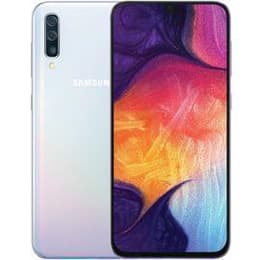
Galaxy A50
Galaxy A50
Starting at

Refurbished price:107.00

Versus €349.00 new

See options
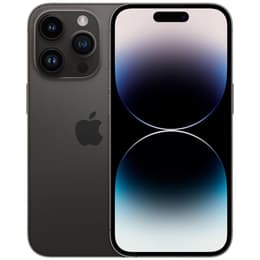
iPhone 14 Pro
iPhone 14 Pro
Starting at

Refurbished price:424.00

Versus €1,339.00 new

See options

Ratings

The Samsung Galaxy A50, released in early 2019, is an Android smartphone designed to offer a balanced experience for everyday users. In contrast, the iPhone 14 Pro, launched in late 2022, is an Apple flagship device known for its advanced features and premium performance. These two devices represent different segments of the smartphone market and distinct operating system ecosystems, with the Galaxy A50 running Android and the iPhone 14 Pro operating on iOS.

Scores

Durability

The practical lifespan of a smartphone is significantly influenced by its release date and the duration of software support it receives. The Galaxy A50, launched in March 2019, has reached the end of its official software support, with updates concluding around April 2023. This means it no longer receives new Android versions or regular security patches, which can impact its long-term usability and security. The iPhone 14 Pro, released in September 2022, benefits from Apple's typically longer software support, with expectations of receiving iOS updates for approximately five to seven years from its launch, potentially until 2028 or 2029.

  • Software Longevity: The iPhone 14 Pro offers a significantly longer period of guaranteed software updates and security patches compared to the Galaxy A50, which has already ceased receiving official updates.
  • Repairability: The Galaxy A50 was noted for a relatively good repairability score upon release, with accessible internal components like the battery and screen. The iPhone 14 Pro initially received praise for its internal redesign making back glass repair easier, but its repairability score was later downgraded due to software restrictions that complicate independent repairs and parts replacement.
  • Expected Practical Lifespan: Users seeking a device with extended software support and access to the latest features will find the iPhone 14 Pro to have a longer practical lifespan. The Galaxy A50, while still functional, will gradually face compatibility issues with newer applications and potential security vulnerabilities due to the absence of ongoing updates.

Year of Release

2019

2022

Compatible with latest Update

No

Yes

OS

Android

iOS

Foldable

No

No

Performance

Performance differences between these two devices are substantial, reflecting their respective release timelines and market positioning. The Galaxy A50 is equipped with a processor designed for efficient everyday tasks, while the iPhone 14 Pro features a more advanced and powerful processing unit.

  • Everyday Responsiveness: The iPhone 14 Pro delivers exceptionally smooth and rapid performance across all applications, handling demanding tasks and multitasking with ease. The Galaxy A50 provides adequate performance for general use, but users may experience occasional lags or slower loading times, particularly with multiple apps running simultaneously or during intensive operations.
  • Storage Options: The Galaxy A50 offers internal storage options of 64GB or 128GB and includes a microSD card slot for expandable storage up to 512GB, providing flexibility for users who need more space. The iPhone 14 Pro comes with larger internal storage configurations, ranging from 128GB up to 1TB, but does not support expandable storage.
  • Battery Behavior: The Galaxy A50 features a 4000 mAh battery, generally providing sufficient power for a full day of moderate use. The iPhone 14 Pro has a 3200 mAh battery, and while optimized for efficiency, some users have reported inconsistent battery performance, with heavy usage or the Always-On Display potentially leading to more frequent charging.

Memory (GB)

4 GB

6 GB

Screen quality

The visual experience offered by these two smartphones differs significantly due to advancements in display technology and design. Both devices utilize OLED technology, but the iPhone 14 Pro incorporates more recent innovations.

  • Display Technology and Clarity: Both devices feature Super AMOLED or Super Retina XDR OLED displays, providing deep blacks and vibrant colors. The iPhone 14 Pro's display offers a higher resolution of 2556x1179 pixels, resulting in sharper images and finer detail compared to the Galaxy A50's 1080x2340 pixel resolution.
  • Brightness and Refresh Rate: The iPhone 14 Pro boasts significantly higher peak brightness levels, reaching up to 2000 nits, which enhances visibility in bright outdoor conditions. It also features an adaptive 120Hz ProMotion refresh rate, providing smoother scrolling and more fluid animations. The Galaxy A50 has a standard 60Hz refresh rate and lower peak brightness, which is adequate for most indoor viewing but may struggle in direct sunlight.
  • Screen Size and Design: The Galaxy A50 has a 6.4-inch display with a U-shaped notch for the front camera. The iPhone 14 Pro features a 6.1-inch display and introduces the 'Dynamic Island,' a pill-shaped cutout that dynamically integrates system alerts and background activities, offering a more interactive user experience.

Resolution

1080 x 2340

1179 x 2556

Screen type

Super AMOLED

LTPO Super Retina XDR OLED

Audiovisual

The camera systems on the Galaxy A50 and iPhone 14 Pro reflect different generations of mobile photography, with the iPhone 14 Pro offering more advanced capabilities and features.

  • Rear Camera System: The Galaxy A50 features a triple rear camera setup with a 25MP main lens, an 8MP ultrawide lens, and a 5MP depth sensor, suitable for general photography in good lighting. The iPhone 14 Pro significantly upgrades its main camera to 48MP, complemented by 12MP ultrawide and 12MP telephoto lenses, providing greater detail, improved zoom capabilities, and enhanced versatility.
  • Photography Performance: The iPhone 14 Pro excels in various lighting conditions, particularly with its Photonic Engine for improved low-light performance and consistent image quality. While the Galaxy A50 can capture good photos in daylight, its low-light performance is less capable, and some users have noted inconsistencies in its main camera.
  • Video Recording and Audio: The iPhone 14 Pro offers advanced video recording features, including Action Mode for enhanced stabilization and higher resolution options. The Galaxy A50's video recording is limited to 1080p in its default camera app. The iPhone 14 Pro generally provides higher quality microphone input and speaker output for media consumption and calls, while the Galaxy A50's speaker quality has been noted as less robust.

Main camera

25 megapixels

48 megapixels

Front camera

25 megapixels

12 megapixels

Miscellaneous

Beyond core specifications, several practical elements differentiate the user experience between the Galaxy A50 and the iPhone 14 Pro, from connectivity to physical design.

  • Connectivity and Ports: The iPhone 14 Pro supports 5G cellular networks, offering faster data speeds where available, and includes Wi-Fi and Bluetooth connectivity. It uses a Lightning port for charging and data transfer. The Galaxy A50 supports 4G LTE networks, Wi-Fi, and Bluetooth 5.0, and features a USB Type-C port.
  • Biometric Security: The Galaxy A50 incorporates an in-display optical fingerprint sensor for secure unlocking. The iPhone 14 Pro relies on Face ID, an advanced facial recognition system, for biometric authentication.
  • Build Materials and Handling: The iPhone 14 Pro features a more premium construction with a Ceramic Shield front, glass back, and a stainless steel frame, contributing to a solid feel. The Galaxy A50 has a plastic body with a Gorilla Glass 3 front. The iPhone 14 Pro is generally more compact and heavier for its size compared to the Galaxy A50, which is lighter and has a slightly larger screen.

Weight

166 g

206 g

Screen size (in)

6.4

6.1

Network

4G

5G

SIM card

Dual Physical SIM

Physical SIM + eSIM

Carrier compatibility

Unlocked

Unlocked

Connector

USB-C + Jack 3.5mm

Lightning

The Samsung Galaxy A50 and iPhone 14 Pro cater to different user needs and expectations, largely due to their generational gap and distinct operating systems. Users often praise the Galaxy A50 for its vibrant Super AMOLED display and reliable battery life for its class. However, common criticisms include occasional software lags, less consistent camera performance in challenging conditions, and the cessation of software updates.

The iPhone 14 Pro is frequently lauded for its powerful performance, exceptional display quality with high brightness and a smooth refresh rate, and its advanced camera system. Conversely, some users have noted inconsistent battery life, particularly with the Always-On Display, slower charging speeds compared to some competitors, and the complexities introduced by Apple's parts pairing for repairs.

Users prioritizing long-term software support, top-tier performance for demanding applications, and advanced camera capabilities will find the iPhone 14 Pro well-suited to their needs. Those who value expandable storage, a larger screen in a lighter package, and a more budget-conscious option for everyday tasks may lean toward the Galaxy A50. When considering either device, exploring quality-assured refurbished options can provide an eco-friendly alternative for a sustainable choice.


See all articles

Our recent comparisons