

Compare models
Galaxy Z Flip7 Vs iPhone 16 Pro Max
- 1-year minimum warranty
- Free delivery on all orders
- Free 30-day returns
Differences at a glance
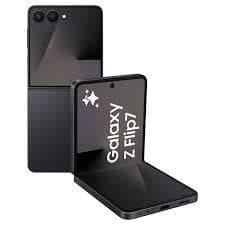
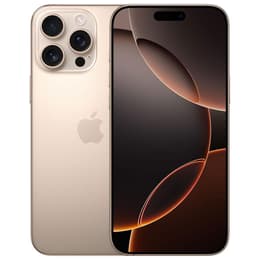
The Samsung Galaxy Z Flip7 (2025) and the Apple iPhone 16 Pro Max (2024) represent two distinct approaches to high-end mobile technology, balancing a foldable clamshell form factor against a traditional, large-screen slate design. While both models serve different physical preferences, they each provide high-tier components and modern software ecosystems tailored to distinct daily workflows.
Operating on Android and iOS respectively, these devices prioritize different physical dimensions and user interactions while delivering current-generation performance capabilities.
Available Models
Colour
Storage
Scores
Durability
Both smartphones are built with durable materials designed to endure multi-year ownership, though their mechanical designs introduce different considerations for long-term physical wear.
- Software longevity: Both manufacturers provide long-term software support cycles, ensuring secure operation and routine feature updates over many years.
- Build and repairability: The iPhone 16 Pro Max uses a rigid titanium and glass slate construction, whereas the Galaxy Z Flip7 features a folding display mechanism that requires careful handling of the central hinge area over time.
- Expected lifespan: Internal hardware capabilities on both models ensure that the devices remain responsive and functional through extended daily use cycles.
Year of Release
2025
2024
Compatible with latest Update
Yes
Yes
Foldable
Yes
No
Performance
System responsiveness and everyday multitasking remain smooth across both platforms, handled through high-capacity memory configurations and efficient internal processing layouts.
- App loading and multitasking: Both devices switch rapidly between demanding applications, maintain background tasks seamlessly, and handle high-end mobile gaming without noticeable stutter.
- Battery behavior: The iPhone 16 Pro Max utilizes a large physical footprint to sustain long intervals between charges during heavy mixed use, while the Galaxy Z Flip7 balances a compact folded body with an optimized power profile for standard daily routines.
- Storage configurations: Generous base storage tiers on both models accommodate extensive photo libraries, offline media, and large application files.
Screen quality
Display engineering differs significantly between the two models, contrasting a flexible folding panel against a rigid, expansive viewing surface.
- Display technology: The Galaxy Z Flip7 utilizes a foldable AMOLED panel that bends down the middle, whereas the iPhone 16 Pro Max features a flat, continuous OLED display protected by durable glass.
- Outdoor visibility: High peak brightness capabilities on both screens ensure content remains legible under direct sunlight.
- Refresh rate smoothness: Adaptive high refresh rates up to 120Hz provide fluid scrolling and responsive touch tracking across both interfaces.
Resolution
1080x2520
1320 x 2868
Audiovisual
Imaging hardware and media playback features cater to distinct creator workflows and everyday photography preferences.
- Camera versatility: The iPhone 16 Pro Max equips a triple-lens setup including a dedicated long-range telephoto zoom lens, while the Galaxy Z Flip7 employs a dual-lens rear system that benefits from flexible angles enabled by its folding hinge.
- Video and low light: Both models capture detailed, stabilized video footage in challenging lighting conditions and support high-resolution recording formats.
- Audio output: Stereo speaker systems on both devices deliver balanced sound quality for media consumption and hands-free calls.
Main camera
50 megapixels
48 megapixels
Front camera
10 megapixels
12 megapixels
Miscellaneous
Physical handling, connectivity standards, and daily utility features define the ergonomic differences between these two form factors.
- Portability and dimensions: The Galaxy Z Flip7 folds in half to fit easily into smaller pockets, whereas the iPhone 16 Pro Max offers a wide, flat viewing area that requires two-handed use for comfortable reach.
- Connectivity and ports: Both devices support modern 5G networks and fast wireless standards, utilizing standard USB-C physical connection ports for charging and data transfer.
- Biometric security: Secure authentication is handled via facial recognition on the Apple device and a side-mounted fingerprint sensor integrated into the power key on the Samsung model.
Weight
188 g
227 g
Screen size (in)
6.9
6.9
Network
5G
5G
SIM card
Physical SIM + eSIM
Physical SIM + eSIM
Carrier compatibility
Unlocked
Unlocked
Connector
USB-C
USB-C (USB 3)
What the community thinks
User discussions across community forums frequently highlight the iPhone 16 Pro Max for its exceptional battery longevity, robust telephoto zoom capabilities, and expansive viewing area. Common considerations involve its substantial physical weight and large pocket footprint. Conversely, the Galaxy Z Flip7 earns praise for its compact folded size, pocket-friendly ergonomics, and versatile folding angles, though users note that the folding screen crease requires routine maintenance awareness.
Users prioritizing pocket space, unique folding utility, and flexible angles may prefer the Galaxy Z Flip7, while users focusing on extensive battery endurance and optical zoom reach will lean toward the iPhone 16 Pro Max. Choosing a quality-assured refurbished option through platforms like Back Market offers an eco-friendly, budget-conscious path to acquiring either of these capable devices. Ultimately, the right choice depends on whether a pocket-friendly folding design or a traditional large-screen slate better complements daily routines.