

Compare models
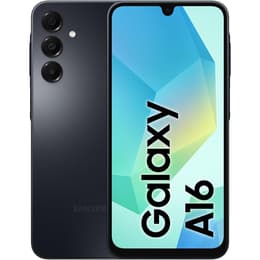
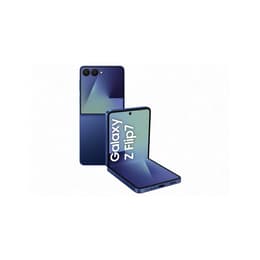
Galaxy A16 Vs Galaxy Z Flip7
- 1-year minimum warranty
- Free delivery on all orders
- Free 30-day returns
Differences at a glance
The Samsung Galaxy A16 (2024) and the Samsung Galaxy Z Flip7 (2025) represent two entirely different approaches to modern smartphone engineering. While the Galaxy A16 is a conventional slate-style device built for everyday practicality, the Galaxy Z Flip7 introduces a folding clamshell design with a versatile outer screen. Both devices run on Android with Samsung's custom interface, yet they target distinct user preferences through their physical form factors and internal capabilities.
Available Models
Colour
Storage
Scores
Durability
When examining longevity and build endurance, these two smartphones offer contrasting structural designs paired with long-term software backing.
- Software support lifecycle: The Galaxy A16 benefits from an extended update commitment of several years, matching many flagship devices, while the Galaxy Z Flip7 receives a robust multi-year update schedule typical of high-tier releases.
- Physical durability: The Galaxy A16 features a standard rigid slate body with basic splash resistance, whereas the Galaxy Z Flip7 utilizes a folding mechanism protected by specialized ultra-thin glass and modern hinge engineering.
- Expected lifespan: Traditional slate builds like the Galaxy A16 offer predictable mechanical longevity, while foldable devices like the Galaxy Z Flip7 require careful handling over years of folding cycles.
Year of Release
2024
2025
OS
Android
Android
Foldable
No
Yes
Performance
Underneath their exteriors, these devices handle multitasking, application loading, and daily system navigation with distinct processing thresholds.
- System responsiveness: The Galaxy A16 handles daily tasks, web browsing, and media streaming smoothly, whereas the Galaxy Z Flip7 provides higher processing headroom for heavy mobile gaming and intensive multitasking.
- Memory and storage configurations: The Galaxy A16 offers sensible storage tiers with expandable card support, while the Galaxy Z Flip7 supplies larger baseline RAM paired with high-capacity internal storage options.
- Battery behavior: The Galaxy A16 relies on a large internal cell that easily sustains typical mixed usage through a full day, while the Galaxy Z Flip7 balances a compact folding frame with a moderate battery capacity that benefits from efficient power management.
Screen quality
Display technology is a primary differentiator, shaping how media, text, and outdoor visibility are experienced on each device.
- Display architecture: The Galaxy A16 utilizes a flat panel with deep contrast and vibrant color reproduction, while the Galaxy Z Flip7 features a foldable internal screen paired with an expansive outer cover display.
- Refresh rate and fluidity: Both models support smooth high refresh rate capabilities that ensure fluid scrolling through menus, web pages, and social media feeds.
- Outdoor visibility: High peak brightness levels on both screens allow content to remain legible under direct sunlight, though the foldable screen structure introduces a subtle crease along the middle.
Resolution
1080x2340
1080x2520
Audiovisual
Photography and media recording hardware cater to varying creative needs through distinct sensor arrays and audio setups.
- Camera versatility: The Galaxy A16 provides a reliable multi-lens rear setup for standard and wide-angle snapshots, while the Galaxy Z Flip7 leverages high-resolution main sensors and unique folding angles that allow hands-free photo framing.
- Video and low-light execution: Both devices capture clear clips in daylight conditions, with upper-tier models offering advanced stabilization algorithms for steady motion footage.
- Media consumption: Built-in speaker systems deliver clear audio for voice calls and casual video watching, though neither includes a traditional headphone jack.
Miscellaneous
Practical daily usability features round out the hardware experience through connectivity standards, physical dimensions, and security sensors.
- Connectivity and ports: Both models support modern 5G networks, fast Wi-Fi standards, and Bluetooth pairing, utilizing reversible USB-C ports for charging and data transfer.
- Biometric security: Side-mounted fingerprint recognition and facial scanning provide quick, secure device unlocking methods.
- Dimensions and handling: The Galaxy A16 is a standard lightweight rectangle that rests easily in the hand, while the Galaxy Z Flip7 folds down into a compact square that slips effortlessly into small pockets.
Weight
200 g
188 g
Screen size (in)
6.7
6.9
Network
4G
5G
SIM card
Physical SIM
Physical SIM + eSIM
Carrier compatibility
Unlocked
Unlocked
Connector
USB-C
USB-C
What the community thinks
Choosing between these two smartphones depends heavily on personal preferences regarding form factor and daily utility. Users prioritizing pocket-friendly portability, a unique folding display structure, and elevated processing capacity often lean toward the Galaxy Z Flip7. Conversely, users seeking straightforward reliability, expandable storage flexibility, and a conventional slate layout find the Galaxy A16 to be a practical tool for everyday communication. Factual observations from device owners indicate appreciation for the innovative folding format of the flip model, alongside praise for the dependable battery life and long-term software commitment of the traditional slate. For shoppers exploring sustainable choices, choosing a quality-assured refurbished option provides an eco-friendly alternative to purchasing newly manufactured hardware. Evaluating these core differences ensures a satisfying match for individual daily routines without unnecessary complexity.









