

Galaxy A16 Vs Galaxy S23

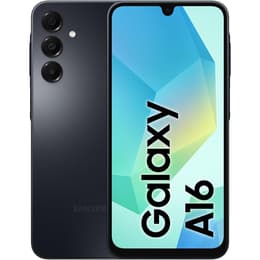
Galaxy A16
Galaxy A16
Starting at

Refurbished price:134.00

Versus €250.00 new

See options
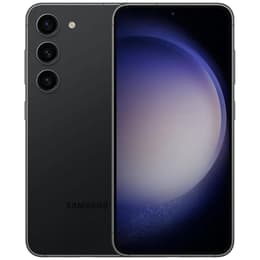
Galaxy S23
Galaxy S23
Starting at

Refurbished price:239.00

Versus €959.00 new

See options

Ratings

The Samsung Galaxy A16 and the Samsung Galaxy S23 represent distinct segments within Samsung's smartphone lineup. While the Galaxy S23, released in February 2023, is a flagship device known for its advanced features and premium build, the Galaxy A16 is an anticipated model in Samsung's more accessible A-series. As of early 2026, official details for the Galaxy A16 are not yet fully released, so its characteristics are inferred based on the recently launched Galaxy A15 and typical A-series progression. This comparison will highlight the expected differences in core specifications and user experience, helping to clarify which device might better suit various user needs.

Scores

Durability

When considering the longevity of a smartphone, both software support and physical resilience play significant roles.

  • Software Updates: The Galaxy S23, launched with Android 13, is expected to receive four major Android OS updates and five years of security updates, offering extended software longevity. The anticipated Galaxy A16, following the pattern of the Galaxy A15 (which launched with Android 14 and is promised four years of OS updates and five years of security updates), is also expected to have a generous software support period. [1, 15, 16, 23]
  • Physical Durability: The Galaxy S23 features an Armor Aluminum frame and Corning Gorilla Glass Victus 2 on both the front and back, providing enhanced resistance against drops and scratches. It also carries an IP68 rating for dust and water resistance, indicating protection against submersion in fresh water. [5, 26, 29, 32] The Galaxy A16, like its predecessor the A15, is likely to feature a primarily plastic build with Dragontrail Pro glass for display protection, offering a sturdy feel but without an official IP rating for water and dust resistance. [1, 13, 39]
  • Expected Lifespan: Users prioritizing robust physical protection and a premium feel may find the Galaxy S23 more aligned with their needs for long-term physical resilience. For those who value extended software support, both devices offer comparable update policies, suggesting a practical lifespan of several years for software functionality.

Year of Release

2024

2023

OS

Android

Android

Foldable

No

No

Performance

The performance capabilities of these two devices cater to different user expectations, primarily driven by their internal components.

  • Processing Power: The Galaxy S23 is equipped with a custom-optimized current-generation processor, designed to handle demanding applications, intensive multitasking, and graphic-heavy gaming with smooth and responsive performance. [3, 5, 8, 11, 22] The anticipated Galaxy A16, drawing from the Galaxy A15's specifications, is expected to feature a mid-range processor that capably manages everyday tasks such as social media, web browsing, and casual gaming. [1, 10, 13, 14, 16, 27]
  • Multitasking and Storage: The Galaxy S23 typically comes with 8GB of RAM, ensuring efficient multitasking and app management. It offers various internal storage options, with faster storage technology available in higher capacities. [3, 8, 11] The Galaxy A16 is likely to offer configurations with 4GB, 6GB, or 8GB of RAM and includes expandable storage via a microSD card, providing flexibility for users who need additional space for media and files. [10, 13, 16, 27]
  • Battery Behavior: The Galaxy S23 houses a 3900 mAh battery, which, combined with its efficient processor, generally provides sufficient power for a full day of typical use. [8, 21, 35, 36, 40] The Galaxy A16, following the A15's trend, is expected to feature a larger 5000 mAh battery, often delivering excellent battery life that can extend to 1.5 to 2 days on a single charge for many users. [1, 10, 13, 14, 15, 16, 20, 31, 39]

Memory (GB)

4 GB

8 GB

Screen quality

The visual experience on both devices is a key differentiator, with varying display technologies and features.

  • Display Technology and Clarity: The Galaxy S23 features a 6.1-inch Dynamic AMOLED 2X display, known for its vibrant colors, deep blacks, and excellent contrast, providing a clear and immersive viewing experience. [3, 5, 8, 11] The anticipated Galaxy A16, like the A15, is expected to come with a 6.5-inch Super AMOLED display, which also offers good color reproduction and clarity for media consumption and daily use. [1, 10, 13, 14, 15, 16, 17, 20, 25, 30, 31]
  • Brightness and Refresh Rate: The Galaxy S23 boasts a peak brightness of 1750 nits, making it highly visible even in bright outdoor conditions, and an adaptive refresh rate of 120Hz for exceptionally smooth scrolling and animations. [5] The Galaxy A16 is likely to offer a peak brightness of around 800 nits and a 90Hz refresh rate, which provides a noticeably smoother experience than standard 60Hz displays, suitable for most everyday interactions. [1, 10, 13, 14, 15, 16, 17, 25, 30, 31]
  • Viewing Experience: While both offer AMOLED technology, the Galaxy S23's higher peak brightness and adaptive 120Hz refresh rate contribute to a more premium and fluid visual experience, especially for users who frequently consume high-motion content or use their phone outdoors. The A16's larger screen size might appeal to users who prioritize screen real estate for content viewing.

Resolution

1080x2340

1080 x 2340

Screen type

Super AMOLED

Dynamic AMOLED 2X

Audiovisual

The camera systems on the Galaxy A16 and Galaxy S23 are designed to meet different photographic needs and expectations.

  • Rear Camera System: The Galaxy S23 features a versatile triple-camera setup, including a 50MP main sensor with optical image stabilization (OIS), a 10MP telephoto lens with 3x optical zoom, and a 12MP ultrawide lens. This configuration excels in various lighting conditions, offering sharp details and good low-light performance. [3, 5, 8, 18, 28, 33] The anticipated Galaxy A16, based on the A15, is expected to have a triple-camera system with a 50MP main sensor, a 5MP ultrawide, and a 2MP macro lens. Its main camera performs well in bright conditions, producing decent photos with good color balance. [1, 2, 10, 14, 15, 16, 17, 19, 20, 27, 30]
  • Video Recording and Front Camera: The Galaxy S23 is capable of recording 8K video at 30 frames per second, along with advanced image stabilization, and features a 12MP front-facing camera that captures detailed selfies. [3, 5, 8, 28, 33] The Galaxy A16 is likely to support Full HD (1080p) video recording at 30 frames per second and includes a 13MP front camera suitable for video calls and social media. [10, 17, 20]
  • Photography Experience: Users prioritizing advanced photography features, superior low-light capabilities, optical zoom, and high-resolution video recording will find the Galaxy S23's camera system more capable. The A16 offers a competent camera for everyday snapshots and casual use.

Miscellaneous

Beyond the core specifications, several practical elements contribute to the overall user experience of these smartphones.

  • Connectivity and Ports: Both devices support 5G connectivity. The Galaxy S23 features Wi-Fi 6E and a USB-C 3.2 port, offering faster data transfer speeds. [5, 11] The anticipated Galaxy A16, like the A15, is expected to include Wi-Fi 5, Bluetooth 5.3, NFC, and a USB-C 2.0 port. A notable difference is the likely inclusion of a 3.5mm headphone jack on the A16, which is absent on the S23. [10, 13, 17, 20, 31]
  • Biometric Security: The Galaxy S23 incorporates an ultrasonic under-display fingerprint sensor for secure and convenient unlocking. The Galaxy A16 is expected to feature a side-mounted fingerprint sensor, which is also a reliable and quick method for authentication. [14, 16, 20]
  • Design and Handling: The Galaxy S23 has a compact design, measuring 70.9 x 146.3 x 7.6 mm and weighing 168g, making it comfortable for one-handed use. [11, 12] The Galaxy A16, based on the A15, is slightly larger at 160.1 x 76.8 x 8.4 mm and weighs 200g, offering a larger screen but a less compact form factor. [1, 13, 20] The S23's premium materials contribute to a more refined in-hand feel compared to the A16's expected plastic construction.

Weight

200 g

167 g

Screen size (in)

6.7

6.1

Network

4G

5G

SIM card

Physical SIM

Physical SIM + eSIM

Carrier compatibility

Unlocked

Unlocked

The Samsung Galaxy A16 (inferred from the Galaxy A15) and the Galaxy S23 cater to different user priorities, reflecting their respective positions in Samsung's product hierarchy. User sentiment for the Galaxy S23 often praises its powerful performance, excellent camera capabilities, and premium, durable design, with many appreciating its compact size and long-lasting battery for a flagship device. [21, 35, 36, 42] Some users have noted occasional image processing quirks with the 50MP camera, but generally, its photographic output is highly regarded. [34]

For the anticipated Galaxy A16, drawing from the A15's reception, common praise points include its impressive battery life, vibrant Super AMOLED display, and Samsung's commitment to extended software updates. [1, 13, 15, 31, 37] Criticisms often revolve around its less powerful processor, which can lead to slower performance in demanding tasks, and its plastic build lacking an official IP rating. [1, 14, 15, 39]

Users prioritizing top-tier performance, advanced camera features, a compact form factor, and robust build quality with water and dust resistance will find the Galaxy S23 well-suited to their needs. Its flagship processor and superior display technology offer a premium experience for demanding applications and media consumption. Conversely, users who prioritize exceptional battery life, a larger display for content viewing, and a generous software support policy, while being mindful of a more accessible price point, may lean toward the anticipated Galaxy A16. It provides a solid everyday smartphone experience, particularly for those who value longevity and practicality over cutting-edge performance. Both devices, especially when considering quality-assured refurbished options, offer sustainable choices for consumers.


See all articles

Our recent comparisons