

Compare models

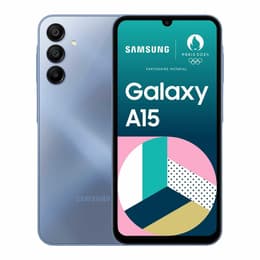
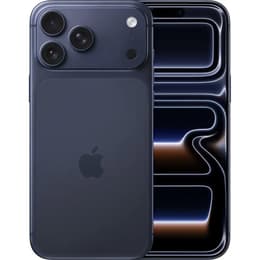
Galaxy A15 Vs iPhone 17 Pro Max

  • 1-year minimum warranty
  • Free delivery on all orders
  • Free 30-day returns
Galaxy A15
Starting at

Refurbished price:€167.00

Versus €300.00 new

See options
iPhone 17 Pro Max
Starting at

Refurbished price:€1,054.00

Versus €1,489.00 new

See options

Differences at a glance

The Samsung Galaxy A15 (2023) and the Apple iPhone 17 Pro Max (2025) represent entirely different tiers and release eras of mobile technology. While the Galaxy A15 serves as a practical, everyday Android device focused on core communication essentials, the iPhone 17 Pro Max operates as a high-end flagship running iOS with advanced processing and media capabilities. These two models cater to vastly contrasting user expectations and technical requirements.

Available Models

Colour

Storage

Scores

Durability

Device longevity and software support timelines differ substantially between these two models based on their release schedules and software policies.

  • Software Support: The iPhone 17 Pro Max benefits from Apple's extended update lifecycle, while the Galaxy A15 provides a structured multi-year Android upgrade path relative to its 2023 launch.
  • Build Durability: The iPhone 17 Pro Max utilizes reinforced glass and metal materials designed for heavy daily resilience, whereas the Galaxy A15 relies on a straightforward plastic-and-glass construction.
  • Expected Lifespan: Both devices maintain reliable daily utility within their respective classes, though flagship hardware configurations typically retain heavy-task readiness over longer durations.

Year of Release

2023

2025

Compatible with latest Update

Yes

Yes

OS

Android

iOS

Foldable

No

No

Performance

System responsiveness and handling of demanding applications vary significantly due to the generation gap and internal hardware architecture of each phone.

  • Multitasking and App Loading: The iPhone 17 Pro Max handles resource-intensive games and complex professional applications effortlessly, whereas the Galaxy A15 manages everyday tasks like web browsing and messaging reliably with occasional loading pauses.
  • Storage Options: The iPhone 17 Pro Max offers expansive internal storage tiers starting at high capacities, while the Galaxy A15 provides moderate baseline storage paired with expandable microSD card support.
  • Battery Behavior: Both models deliver solid daily endurance, though their physical battery capacities and processor efficiencies translate to different usage thresholds under heavy continuous loads.

Screen quality

Visual output and display technologies reflect the distinct market segments occupied by each smartphone.

  • Display Technology: The Galaxy A15 features a bright Super AMOLED panel with smooth 90Hz scrolling, while the iPhone 17 Pro Max incorporates an advanced high-refresh OLED screen with superior peak luminance.
  • Outdoor Clarity: The iPhone 17 Pro Max achieves much higher maximum brightness levels for comfortable visibility under direct sunlight compared to the Galaxy A15.
  • Viewing Experience: Both screens offer sharp text rendering and vibrant colors, though the iPhone provides a larger canvas with narrower bezels for media consumption.

Resolution

1080 x 2340

2868x1320

Screen type

Super AMOLED

Super Retina XDR

Audiovisual

Multimedia capture and audio output capabilities diverge sharply, matching the specialized imaging focus of the flagship iPhone against the practical camera suite of the Galaxy.

  • Camera Systems: The iPhone 17 Pro Max features a versatile multi-lens 48MP setup with deep optical zoom and advanced pro-grade video recording features, whereas the Galaxy A15 provides a standard high-resolution main sensor accompanied by basic ultra-wide and macro options.
  • Low-Light Performance: The iPhone captures significantly more detail and clarity in dim environments thanks to advanced image processing, while the Galaxy A15 handles casual snapshots adequately in daylight conditions.
  • Audio Output: Stereo speakers on the iPhone deliver rich sound for media playback, whereas the Galaxy A15 features a simpler single-speaker setup alongside the convenience of a traditional headphone jack.

Main camera

50 megapixels

48 megapixels

Front camera

13 megapixels

18 megapixels

Miscellaneous

Physical handling, connectivity standards, and practical hardware additions shape the day-to-day ergonomics of both smartphones.

  • Connectivity: The iPhone 17 Pro Max supports advanced wireless standards including Wi-Fi 7 and 5G, while the Galaxy A15 provides standard 4G or regional 5G connectivity options alongside a physical headphone jack.
  • Physical Dimensions: The Galaxy A15 is lighter and slightly narrower, whereas the iPhone 17 Pro Max is heavier and larger due to its expansive screen and robust internal components.
  • Security Sensors: The iPhone relies on advanced facial recognition, whereas the Galaxy A15 uses a side-mounted fingerprint sensor integrated into the power button.

Weight

200 g

233 g

Screen size (in)

6.5

6.9

Network

4G

5G

SIM card

Dual Physical SIM

eSIM

Carrier compatibility

Unlocked

Unlocked

Connector

USB-C

USB-C

What the community thinks

Users evaluating these devices will find that they serve completely different needs and daily workflows. Consumers seeking a straightforward, reliable device for messaging, media streaming, and basic tasks often find that the Galaxy A15 suits their routine. Conversely, users requiring heavy multitasking performance, advanced creative camera tools, and extensive media capabilities lean toward the iPhone 17 Pro Max. For buyers exploring sustainable purchasing routes, opting for a quality-assured refurbished option provides an eco-friendly alternative that extends device life cycles without compromising performance standards.

Reviewers and community members frequently praise the Galaxy A15 for delivering dependable everyday functionality at an accessible level, while noting its limitations during intensive gaming. For the iPhone 17 Pro Max, discussions highlight its exceptional build quality and comprehensive camera versatility, though some users point out its heavier physical footprint. Ultimately, aligning individual expectations with the core strengths of each operating system and hardware tier ensures a well-matched selection.


Our recent comparisons





