

Galaxy A14 5G Vs iPhone SE (2020)

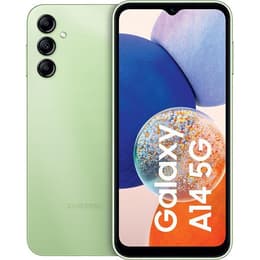
Galaxy A14 5G
Galaxy A14 5G
Starting at

Refurbished price:102.00

Versus €289.00 new

See options
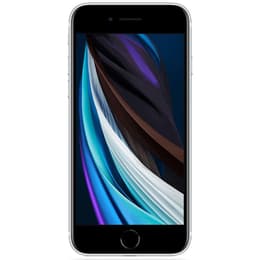
iPhone SE (2020)
iPhone SE (2020)
Starting at

Refurbished price:97.00

Versus €319.00 new

See options

Ratings

The Samsung Galaxy A14 5G, released in January 2023, and the Apple iPhone SE 2020, launched in April 2020, represent distinct approaches to smartphone design and functionality. While the Galaxy A14 5G offers a larger display and 5G connectivity within the Android ecosystem, the iPhone SE 2020 provides a compact form factor and the iOS experience. These devices cater to different user preferences, primarily differing in their operating systems, screen sizes, and overall design philosophies.

Scores

Durability

These devices differ significantly in their expected software longevity and physical resilience, which are key factors in their practical lifespan.

  • Software Support: The Galaxy A14 5G, being a newer Android device, can expect major OS updates for approximately two to three years from its release, with security updates extending to around four years. The iPhone SE 2020, running iOS, typically receives major OS updates for five to six years, meaning its support is likely nearing its conclusion by 2026 or 2027.
  • Physical Durability: The iPhone SE 2020 features an IP67 rating for dust and water resistance, offering protection against splashes and brief submersion. It also uses a glass front and back with an aluminum frame. The Galaxy A14 5G, constructed primarily from plastic, does not carry an official IP rating, making it less resistant to water and dust exposure.
  • Repairability and Lifespan: Both devices are designed with a certain level of repairability in mind, though the availability of parts and service may vary. Users prioritizing the longest possible software support and a more robust build against environmental elements might find the iPhone SE 2020's features appealing, despite its older release date. Conversely, the A14 5G's newer release offers a fresh start for Android updates.

Year of Release

2023

2020

Compatible with latest Update

Yes

Yes

OS

Android

iOS

Foldable

No

No

Performance

Performance capabilities vary between these two models, impacting how smoothly they handle daily tasks and demanding applications.

  • Everyday Responsiveness: The iPhone SE 2020, despite its age, features a powerful processor that ensures smooth navigation, quick app launches, and efficient multitasking for most users. It handles demanding apps and multitasking smoothly. The Galaxy A14 5G provides respectable performance for its category, suitable for general use and moderate multitasking.
  • Storage and RAM: The iPhone SE 2020 is available with 64GB, 128GB, or 256GB of internal storage and 3GB of RAM. The Galaxy A14 5G offers storage options of 64GB or 128GB, coupled with 4GB, 6GB, or 8GB of RAM, allowing for more background applications.
  • Battery Behavior: The Galaxy A14 5G is equipped with a 5000mAh battery, generally providing good battery life, with some tests showing over 9 hours of video streaming. Users report it can last through a full day of heavy use. The iPhone SE 2020 has a smaller 1821mAh battery, which often requires more frequent charging for heavy users, with some tests indicating less than 5 hours of video streaming.

Memory (GB)

4 GB

3 GB

Screen quality

The viewing experience on these devices differs due to their display technology, size, and refresh rates.

  • Display Technology and Size: The Galaxy A14 5G features a larger 6.6-inch PLS LCD display, offering more screen real estate for media consumption and browsing. The iPhone SE 2020 has a more compact 4.7-inch Retina IPS LCD, which is ideal for one-handed use and users who prefer a smaller phone.
  • Resolution and Clarity: The Galaxy A14 5G provides a Full HD+ resolution (1080x2408 pixels), resulting in sharp images and text on its larger screen. The iPhone SE 2020's Retina display offers good clarity for its size with a resolution of 750x1334 pixels.
  • Refresh Rate and Brightness: The Galaxy A14 5G boasts a 90Hz refresh rate, contributing to smoother scrolling and a more fluid visual experience compared to the iPhone SE 2020's standard 60Hz display. Both screens offer decent brightness for indoor use, with the iPhone SE 2020 generally performing well in varied lighting conditions. The A14 5G's display peaks at around 500 nits, which can be a struggle in bright sunlight.

Resolution

1080 x 2408

750 x 1334

Screen type

PLS LCD

Retina IPS LCD

Audiovisual

The camera systems on both devices offer different capabilities for capturing photos and videos.

  • Rear Camera System: The Galaxy A14 5G features a triple camera setup with a 50MP main sensor, a 2MP macro lens, and a 2MP depth sensor. It performs well in good lighting conditions, capturing decent details, and its main sensor can produce good photos in both daylight and at night. The iPhone SE 2020 has a single 12MP wide-angle camera, which, despite its lower megapixel count, benefits significantly from computational photography powered by its advanced processor, enabling features like Portrait Mode and Smart HDR.
  • Front Camera and Video: The Galaxy A14 5G includes a 13MP front camera that captures good selfies with respectable detail and skin tones in good lighting. Both devices record video at 1080p at 30fps, with the iPhone SE 2020 also capable of 4K video at up to 60fps and offering optical image stabilization.
  • Low-Light and Special Features: While the Galaxy A14 5G's main camera performs acceptably in low light, the iPhone SE 2020's computational photography helps it produce good results, though neither device features a dedicated Night Mode. The iPhone SE 2020's single lens means it lacks the versatility of ultra-wide or telephoto options found on multi-camera systems.

Main camera

50 megapixels

12 megapixels

Front camera

13 megapixels

7 megapixels

Miscellaneous

Beyond core features, several practical elements differentiate these two smartphones in daily use.

  • Connectivity and Ports: The Galaxy A14 5G supports 5G networks, offering faster mobile data speeds where available, and includes a 3.5mm headphone jack and a USB-C port for charging and data transfer. The iPhone SE 2020 is limited to 4G LTE connectivity and uses Apple's proprietary Lightning port, omitting a headphone jack.
  • Biometric Security: The iPhone SE 2020 utilizes a front-mounted Touch ID fingerprint sensor integrated into its home button for secure unlocking and authentication. The Galaxy A14 5G features a side-mounted fingerprint sensor.
  • Design and Handling: The iPhone SE 2020 maintains a compact and lightweight design (148g, 7.3mm thick), making it comfortable for one-handed use. The Galaxy A14 5G is larger and heavier (204g, 9.1mm thick) due to its bigger screen and battery, with a plastic construction.

Weight

201 g

148 g

Screen size (in)

6.6

4.7

Network

5G

4G

SIM card

Dual Physical SIM

Physical SIM + eSIM

Carrier compatibility

Unlocked

Unlocked

Connector

USB-C + Jack 3.5mm

Lightning

User sentiment for the iPhone SE 2020 often praises its powerful performance for its size, with many appreciating the familiar compact design and the reliability of iOS. Common criticisms frequently point to its battery life, which some users find insufficient for a full day of heavy use, and the dated design with thick bezels. On the other hand, the Samsung Galaxy A14 5G is generally lauded for its large, high-refresh-rate display, robust battery life, and the inclusion of 5G connectivity. Some users note that its camera performance is good for its segment, especially in daylight, but can struggle with moving subjects or in very low light.

Users prioritizing a compact device with a highly responsive operating system and long-term software support may find the iPhone SE 2020 well-suited to their needs. Its strong processor makes it capable for demanding applications despite its age. Conversely, users who value a larger screen for media consumption, extended battery life, and modern connectivity like 5G will likely lean towards the Galaxy A14 5G. Its Android ecosystem offers more customization and a more contemporary design aesthetic.

Both devices offer distinct advantages, catering to different user priorities. For those considering a quality-assured refurbished option, both models are available, providing an eco-friendly alternative to new purchases.


See all articles

Our recent comparisons