

Compare models
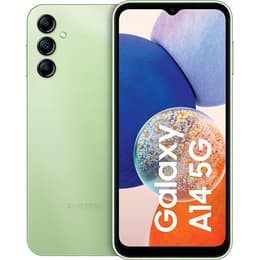
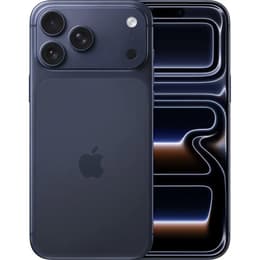
Galaxy A14 5G Vs iPhone 17 Pro Max
- 1-year minimum warranty
- Free delivery on all orders
- Free 30-day returns
Differences at a glance
The Samsung Galaxy A14 5G (2023) and the Apple iPhone 17 Pro Max (2025) occupy entirely different tiers in the smartphone market, serving vastly different generations and hardware philosophies. While the Galaxy A14 5G focuses on providing core connectivity and essential daily features on the Android platform, the iPhone 17 Pro Max represents a modern flagship running iOS with advanced processing and multi-lens camera systems. Understanding their fundamental differences helps clarify which device aligns with specific user requirements.
Available Models
Colour
Storage
Scores
Durability
When evaluating hardware longevity and software support, these two devices reflect different release timelines and support windows.
- Software Support Window: The iPhone 17 Pro Max receives long-term operating system upgrades spanning multiple years, whereas the Galaxy A14 5G operates on a more limited software update schedule.
- Build and Repairability: The iPhone 17 Pro Max utilizes robust unibody construction and premium materials, while the Galaxy A14 5G features a straightforward plastic build that handles everyday wear predictably.
- Expected Lifespan: Users seeking extended hardware longevity will find that the iPhone's advanced internal components retain processing headroom longer, whereas the Galaxy A14 5G is suited for shorter upgrade cycles.
Year of Release
2023
2025
Compatible with latest Update
Yes
Yes
OS
Android
iOS
Foldable
No
No
Performance
System responsiveness and daily multitasking capabilities vary significantly between these two smartphones based on their internal hardware architecture.
- Multitasking and App Loading: The iPhone 17 Pro Max handles demanding applications, intense gaming, and rapid switching between heavy tools effortlessly, while the Galaxy A14 5G manages standard web browsing, messaging, and casual apps reliably.
- Storage Configurations: The iPhone 17 Pro Max starts with high-capacity storage tiers suitable for large media libraries, whereas the Galaxy A14 5G offers modest internal storage expandable via microSDXC cards.
- Battery Behavior: Both devices manage daily energy consumption effectively, though the Galaxy A14 5G's large battery capacity easily sustains standard use, and the iPhone 17 Pro Max optimizes power efficiency dynamically during intensive tasks.
Screen quality
Visual output and display technologies differ greatly, influencing media consumption and outdoor usability.
- Display Technology: The iPhone 17 Pro Max features an advanced OLED panel with deep contrast levels and fluid refresh rates, while the Galaxy A14 5G relies on a standard LCD screen with a fixed 90 Hz refresh rate.
- Outdoor Brightness: The iPhone 17 Pro Max achieves high peak brightness levels for clear visibility under direct sunlight, whereas the Galaxy A14 5G offers adequate readability for everyday indoor and moderate outdoor use.
- Viewing Experience: Media enthusiasts will notice smoother motion handling and richer color reproduction on the iPhone, while the Galaxy A14 5G provides a spacious viewing area for reading and standard video playback.
Resolution
1080 x 2408
2868x1320
Screen type
PLS LCD
Super Retina XDR
Audiovisual
Photography, video recording, and audio output capabilities reflect the distinct market positioning of each device.
- Camera Versatility: The iPhone 17 Pro Max includes a high-resolution multi-lens array with advanced low-light processing and flexible focal lengths, while the Galaxy A14 5G relies on a primary sensor supplemented by basic auxiliary lenses for casual snapshots.
- Video and Audio: Video recording on the iPhone captures sharp detail with advanced stabilization features, whereas the Galaxy A14 5G records straightforward clips suitable for personal archives.
- Media Sound: Internal speaker output on the iPhone delivers rich stereo sound for media consumption, while the Galaxy A14 5G provides functional audio for calls and casual listening.
Main camera
50 megapixels
48 megapixels
Front camera
13 megapixels
18 megapixels
Miscellaneous
Practical daily features, physical handling, and connectivity standards shape the hands-on experience of using each phone.
- Connectivity Standards: Both models support 5G networks, but the iPhone incorporates modern short-range wireless protocols and high-speed Wi-Fi iterations.
- Physical Dimensions: The Galaxy A14 5G has a heavier, thicker plastic construction, whereas the iPhone 17 Pro Max balances a large display footprint with refined weight distribution.
- Security and Ports: The iPhone utilizes secure facial recognition alongside a reversible port standard, while the Galaxy A14 5G offers a side-mounted fingerprint sensor and traditional headphone connectivity depending on the exact regional variant. Choosing a quality-assured refurbished option provides a sustainable way to access advanced hardware without purchasing newly manufactured items.
Weight
201 g
233 g
Screen size (in)
6.6
6.9
Network
5G
5G
SIM card
Dual Physical SIM
eSIM
Carrier compatibility
Unlocked
Unlocked
What the community thinks
Community discussions and user feedback highlight distinct patterns of praise and criticism for both devices. Owners of the Galaxy A14 5G frequently commend its reliable daily battery duration and accessible entry point for essential 5G connectivity, though some users note limitations in processing heavy applications and screen brightness under direct sun. Conversely, users of the iPhone 17 Pro Max praise its exceptional display clarity, robust build quality, and fluid system performance, while occasionally mentioning its substantial physical footprint.
Users prioritizing basic communication, web browsing, and simple tasks will find the Galaxy A14 5G well-suited to their daily routine. Meanwhile, users prioritizing advanced photography, high-end mobile gaming, and long-term software support will lean toward the iPhone 17 Pro Max. Exploring quality-assured refurbished models offers an eco-friendly alternative for consumers aiming to make a sustainable choice when purchasing electronics.