

Compare models
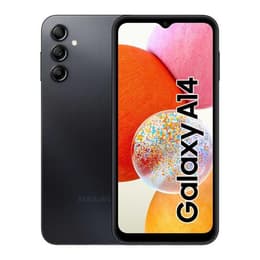
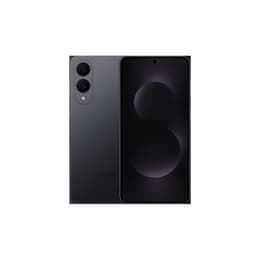
Galaxy A14 5G Vs Galaxy S25 Edge
- 1-year minimum warranty
- Free delivery on all orders
- Free 30-day returns
Differences at a glance
The Samsung Galaxy A14 5G (2023) and the Samsung Galaxy S25 Edge (2025) occupy entirely different tiers within the smartphone market, catering to distinct user expectations and functional demands. While the Galaxy A14 5G serves as an entry-level device focused on fundamental connectivity, the Galaxy S25 Edge represents a high-end, ultra-slim flagship offering advanced processing power and modern design refinements. Both devices operate on the Android platform with Samsung's custom interface, though they target vastly different operational needs and hardware tiers.
Available Models
Colour
Storage
Scores
Durability
When examining longevity and maintenance, these two smartphones reflect their distinct generational gaps and market positioning, influencing how long they remain viable daily companions.
- Software Support Timeline: The Galaxy S25 Edge benefits from an extended software support window spanning multiple major operating system upgrades, whereas the older Galaxy A14 5G features a more limited update schedule tied to its entry-level status.
- Build Integrity and Materials: The Galaxy S25 Edge utilizes a titanium frame and reinforced glass designed to withstand daily wear, while the Galaxy A14 5G employs a polycarbonate plastic chassis that requires careful handling or a protective case over time.
- Practical Lifespan: Users selecting the Galaxy S25 Edge can expect prolonged hardware relevance for demanding tasks, whereas the Galaxy A14 5G is best suited for straightforward daily communication needs over a standard multi-year cycle.
Year of Release
2023
2025
Compatible with latest Update
Yes
Yes
OS
Android
Android
Foldable
No
No
Performance
Day-to-day operation and responsiveness highlight the stark hardware differences between an accessible daily runner and a high-performance flagship model.
- Multitasking and App Loading: The Galaxy S25 Edge handles heavy apps and complex multitasking smoothly with generous random access memory, while the Galaxy A14 5G manages routine applications and web browsing at a more measured pace.
- Storage and Capacity: The Galaxy S25 Edge offers ample baseline internal storage options without expandable memory, whereas the Galaxy A14 5G provides modest built-in storage paired with a microSD card slot for physical media expansion.
- Battery Behavior: The Galaxy A14 5G features a large capacity battery geared toward extended standby times, while the Galaxy S25 Edge balances an all-day power delivery profile inside a significantly thinner chassis profile.
Screen quality
Visual output and panel construction dictate the media consumption experience, offering contrasting viewing clarity and brightness profiles across both models.
- Display Technology: The Galaxy S25 Edge features a vibrant Dynamic AMOLED panel with deep contrast levels, whereas the Galaxy A14 5G relies on a standard PLS LCD screen for everyday viewing tasks.
- Refresh Rate and Motion: The Galaxy S25 Edge includes an adaptive high refresh rate for fluid scrolling, while the Galaxy A14 5G utilizes a fixed moderate refresh rate adequate for basic navigation.
- Outdoor Visibility: The Galaxy S25 Edge achieves high peak brightness levels for clear legibility under direct sunlight, whereas the Galaxy A14 5G requires manual shade adjustment during bright outdoor conditions.
Resolution
1080 x 2408
1440 x 3120
Audiovisual
Multimedia capture and audio output capabilities vary significantly, influencing how each device handles photography, video recording, and sound reproduction.
- Imaging Hardware: The Galaxy S25 Edge incorporates a high-resolution primary sensor backed by advanced computational photography tools, while the Galaxy A14 5G equips a standard triple-lens setup focused on basic snapshot photography.
- Low-Light Performance: The Galaxy S25 Edge utilizes software-driven exposure enhancements for clear night shots, whereas the Galaxy A14 5G requires stable lighting environments to capture fine details.
- Media and Audio Playback: The Galaxy S25 Edge delivers balanced stereo sound for media consumption, while the Galaxy A14 5G retains a traditional wired headphone jack alongside its single loudspeaker output.
Miscellaneous
Physical dimensions, connectivity standards, and everyday functional sensors shape the practical handling and utility of each smartphone.
- Form Factor and Handling: The Galaxy S25 Edge emphasizes an ultra-thin, lightweight titanium build for effortless pocketability, whereas the Galaxy A14 5G features a thicker, heavier footprint that provides a secure physical grip.
- Connectivity Options: Both models support modern 5G cellular networks, though the Galaxy S25 Edge includes newer wireless networking standards and faster data transfer protocols via its USB-C port.
- Authentication Sensors: The Galaxy A14 5G relies on a physical side-mounted fingerprint reader, while the Galaxy S25 Edge offers modern biometric security options including an in-display sensor and facial recognition.
Weight
201 g
163 g
Screen size (in)
6.6
6.7
Network
5G
5G
SIM card
Physical SIM
Physical SIM + eSIM
Carrier compatibility
Unlocked
Unlocked
Connector
USB-C + Jack 3.5mm
USB-C
What the community thinks
User feedback highlights distinct preferences for each device based on real-world usage patterns. Owners of the Galaxy A14 5G frequently praise its dependable battery endurance, expandable storage capability, and straightforward functionality for essential tasks. Common discussions note that its processing speed and screen brightness are adequate for basic use but may feel limited during intensive workloads. Conversely, users of the Galaxy S25 Edge emphasize appreciation for its exceptionally slim titanium design, vibrant display quality, and responsive performance during heavy multitasking. Frequent considerations involve managing battery capacity relative to the high-performance hardware profile.
Users prioritizing long-term software updates, advanced photography, and premium display clarity will find the Galaxy S25 Edge well-suited to their needs. Meanwhile, users focusing on essential daily communication, expandable storage, and straightforward functionality may lean toward the Galaxy A14 5G. For those exploring sustainable tech habits, choosing a quality-assured refurbished option provides a practical and eco-friendly alternative when upgrading personal electronics.










