
iPhone

Compare models
Differences at a glance
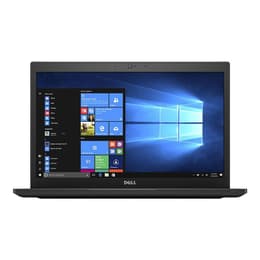
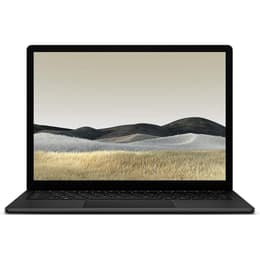
The Dell Latitude 7490, a business-oriented laptop released in 2018, and the Microsoft Surface Laptop 3 13-inch, introduced in 2019, represent two distinct approaches to portable computing. While both devices operate on the Windows platform, they cater to slightly different user priorities through their design, display characteristics, and internal components. The Surface Laptop 3 offers a more modern aesthetic and a higher-resolution display, whereas the Latitude 7490 emphasizes traditional business connectivity and user-upgradability.
Storage
Processor
Memory
When considering the long-term usability of these laptops, their release timelines and design philosophies play a significant role. The Dell Latitude 7490, launched in 2018, and the Microsoft Surface Laptop 3 13-inch, released in 2019, both benefit from ongoing Windows operating system support, though the Surface Laptop 3, being a year newer, may receive software updates for a slightly longer duration. Both devices are generally considered durable, built to withstand daily use.
Year of Release
Last Os Compatibility
OS
The performance capabilities of these two laptops reflect their respective release years and target audiences. The Dell Latitude 7490 typically features 8th generation Intel processors, while the Microsoft Surface Laptop 3 13-inch comes equipped with 10th generation Intel processors, leading to differences in processing power and efficiency.
Graphic card
The visual experience on these laptops differs significantly due to their display technologies, resolutions, and aspect ratios. The Dell Latitude 7490 offers a traditional 16:9 display, while the Microsoft Surface Laptop 3 13-inch features a more square 3:2 aspect ratio.
Resolution
Screen type
For communication and multimedia, both laptops include integrated cameras and audio systems, though with some distinctions in quality and features. The Dell Latitude 7490 provides standard functionality, while the Microsoft Surface Laptop 3 13-inch integrates more advanced audio and authentication features.
Beyond core performance and display, several practical elements differentiate these two laptops, impacting their daily usability and connectivity options. These include port selection, wireless standards, and physical attributes.
Weight
Screen size
User sentiment for the Dell Latitude 7490 often highlights its robust build quality, comfortable keyboard, and extensive port selection as significant advantages, particularly for business and productivity-focused users. Common praise points include its reliability and the ease of maintenance and upgrades, which contribute to its longevity. Some users note that its display, while functional, may not be as vibrant or bright as more modern alternatives.
The Microsoft Surface Laptop 3 13-inch receives frequent acclaim for its elegant design, high-resolution PixelSense touchscreen with a 3:2 aspect ratio, and excellent keyboard and trackpad. Users appreciate its strong audio performance and the convenience of Windows Hello facial recognition. Criticisms sometimes point to its limited port selection, specifically the absence of Thunderbolt 3, and the fact that its SSD is not easily user-replaceable.
For users prioritizing a highly repairable and versatile machine with a wide range of traditional ports for office environments, the Dell Latitude 7490 may be a well-suited choice. Its sturdy construction and upgradability make it a practical option for those seeking a long-term workhorse. Conversely, individuals who value a sleek, lightweight design, a high-resolution touchscreen with pen support, and enhanced audio for media consumption and modern communication might find the Microsoft Surface Laptop 3 13-inch more aligned with their needs. Both devices are available as quality-assured refurbished options, providing sustainable choices for consumers.