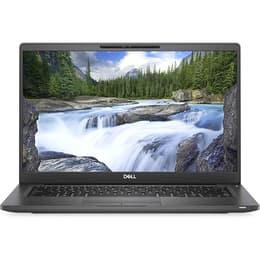
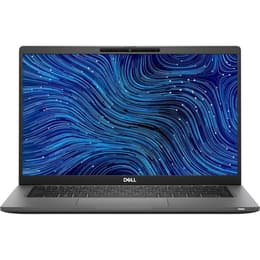


Dell Latitude 7400 14" Vs Dell Latitude 7420 14"

Dell Latitude 7400 14"
Starting at

Refurbished price:276.00

Versus €629.00 new

See options
Dell Latitude 7420 14"
Starting at

Refurbished price:336.00

Versus €1,371.00 new

See options

Ratings

The Dell Latitude 7400, released in 2019, and the Dell Latitude 7420, launched in 2021, are both 14-inch business-oriented laptops designed for productivity and mobility. While they share a similar form factor and target audience, the Latitude 7420 introduces a newer generation of internal components, updated connectivity options, and enhanced display capabilities compared to its predecessor. Both devices operate on the Windows platform, offering a familiar user experience for professionals and students alike.

Scores

Durability

When considering the longevity of these devices, several factors come into play, primarily their release dates and the typical support cycles for business laptops. The Dell Latitude series is known for its robust build and enterprise-focused design, contributing to a practical lifespan suitable for demanding use.

  • Release Timeline: The Latitude 7400 was released in 2019, while the Latitude 7420 followed in 2021. This two-year difference means the 7420 benefits from a more recent hardware platform, potentially extending its relevance for newer software and operating system updates.
  • OS Support: Both models run on Windows and are compatible with current operating systems. However, the newer 7420 is likely to receive official operating system updates and security patches for a longer duration, offering an extended period of software support.
  • Repairability: Dell Latitude laptops are generally designed with accessible internal components for maintenance. The Latitude 7400 typically allows for RAM upgrades, while the 7420's RAM is soldered to the motherboard, making it non-upgradable after purchase.

Year of Release

2019

2021

Last Os Compatibility

Yes

Yes

OS

Windows 11

Windows 11

Performance

The performance of these laptops is largely dictated by their respective generations of internal processing units and memory configurations. Both are designed to handle typical business and academic workloads, but the newer model offers a noticeable uplift in responsiveness.

  • Processing Power: The Latitude 7400 is equipped with an earlier generation of processors, providing solid performance for everyday business applications and multitasking. The Latitude 7420, featuring a later generation of processors, offers a noticeable boost in processing speed and efficiency, resulting in smoother operation for demanding applications and more complex tasks.
  • System Responsiveness: Users of the Latitude 7420 often report a snappy and responsive experience for daily tasks and schoolwork, with programs loading quickly. The Latitude 7400 also provides a fast and smooth system experience for office and internet applications.
  • Memory and Storage: Both devices offer configurations with ample RAM for multitasking, up to 32GB. The Latitude 7400 typically features DDR4 RAM, while the Latitude 7420 utilizes LPDDR4x RAM, which is often soldered. Both models come with fast NVMe SSD storage options, contributing to quick boot times and application loading.

Memory (GB)

16 GB

8 GB

Processor

Core i7 - Gen 8 (U)

Core i5-1145G7

Graphic card

Integrated Graphics

Integrated Graphics

Screen quality

The visual experience on these 14-inch laptops is a key consideration, with differences in display technology and brightness levels that impact usability in various environments.

  • Display Technology and Resolution: Both the Latitude 7400 and 7420 feature 14-inch Full HD (1920x1080) IPS displays, offering wide viewing angles and clear visuals suitable for productivity tasks. The 7420 also has optional 4K resolution displays, though these are less common.
  • Brightness Levels: The Latitude 7420 generally offers brighter display options, with configurations available up to 400 nits, which improves visibility in well-lit environments or outdoors. The Latitude 7400 typically offers brightness levels around 300 nits, with some configurations being lower, which might be less ideal for outdoor use.
  • Visual Features: The Latitude 7420 includes Dell's ComfortView Plus feature, designed to reduce harmful blue light while maintaining vibrant colors. Both models offer anti-glare options, and the 7400 had a "super low power" display option for improved battery efficiency.

Resolution

1920 x 1080

1920 x 1080

Screen type

IPS

IPS

Camera

Audiovisual

For communication and media consumption, both laptops include essential audio-visual components, though with some distinctions in quality and features.

  • Webcam Capabilities: Both the Latitude 7400 and 7420 include built-in webcams for video conferencing. The Latitude 7420 offers configurations with an optional 1080p webcam, which can provide clearer video quality, and often includes a physical privacy shutter for enhanced security. The Latitude 7400 also features an IR camera option for facial recognition.
  • Microphone Quality: Both devices are equipped with internal microphones suitable for calls and voice commands.
  • Speaker Output: User feedback for the Latitude 7420's audio can be mixed, with some finding the basic audio underwhelming for an expensive laptop. Specific detailed comparisons for speaker quality between the two models are not consistently highlighted in general reviews, suggesting a functional but not exceptional experience for typical business use.

Miscellaneous

Beyond core performance and display, several practical features differentiate these two business laptops, impacting daily usability and connectivity.

  • Connectivity Options: The Latitude 7420 features Wi-Fi 6 (802.11ax) and Bluetooth 5.1 or 5.2, offering faster and more stable wireless connections. The Latitude 7400 supports Wi-Fi 5 (802.11ac) or Wi-Fi 6 and Bluetooth 5.0. Both offer optional 4G LTE mobile broadband for connectivity on the go.
  • Port Selection: The Latitude 7420 includes two Thunderbolt 4 ports, offering faster data transfer speeds and more versatile connectivity compared to the Latitude 7400’s single Thunderbolt 3 port. Both include USB-A ports, HDMI (7420 with HDMI 2.0, 7400 with HDMI 1.4a), a universal audio jack, and a microSD card reader. The 7400 uses a barrel-style power adapter, while the 7420 can charge via its USB-C Thunderbolt ports.
  • Security and Design: Both models offer biometric security options like fingerprint readers and IR cameras for facial recognition (Windows Hello). The 7420 also features a proximity sensor (ExpressSign-in) that can automatically lock and unlock the device. The Latitude 7420 is slightly lighter, starting around 1.22 kg, compared to the 7400's 1.35 kg to 1.535 kg, making the newer model marginally more portable. Both are available with aluminum or carbon fiber chassis options, providing a durable and professional aesthetic.

Weight

1400 g

1500 g

Screen size

14

14

The Dell Latitude 7400 and 7420 both serve as capable business laptops, each with distinct advantages that cater to different user priorities. User feedback for the Latitude 7400 often praises its sturdy build, comfortable keyboard, and generally good battery life, making it a reliable workhorse. Some users, however, have noted occasional fan noise and a display that could be brighter in certain configurations.

The Latitude 7420, being the newer model, receives commendation for its snappy and responsive performance, improved build quality, and comfortable backlit keyboard. Its enhanced display options, including higher brightness, are also frequently appreciated. However, some users have reported mixed experiences with battery life, and the soldered RAM limits future upgrade possibilities.

Users prioritizing a more modern computing experience with faster processing power, advanced connectivity like Thunderbolt 4, and brighter display options may find the Latitude 7420 better suited to their needs. Its slightly lighter design also appeals to those who travel frequently. Conversely, individuals who value the flexibility of upgradable RAM and a potentially longer real-world battery life in some configurations, and who do not require the absolute latest in processing power, might lean towards the Latitude 7400. Both models represent solid choices for professionals and students, and considering a quality-assured refurbished option for either can provide an eco-friendly alternative for acquiring these reliable devices.

See all articles

Our recent comparisons