

iPhone

Compare models
Differences at a glance
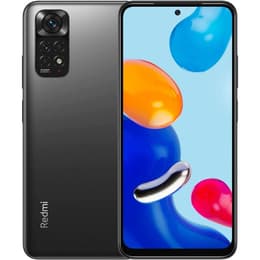
The Xiaomi Redmi Note 11, released in January 2022, and the Xiaomi Redmi Note 14 4G, launched in early 2025, represent different generations within Xiaomi's popular Redmi Note series. While both are designed to offer a comprehensive smartphone experience, the newer Redmi Note 14 4G introduces several enhancements in display technology, camera capabilities, and processing power. Both devices operate on the Android platform, with the Redmi Note 14 4G benefiting from a more recent Android version and Xiaomi's updated HyperOS.
Colour
Storage
The practical lifespan of a smartphone is significantly influenced by its release timeline and ongoing software support. The Redmi Note 11, launched in January 2022, originally ran on Android 11 with MIUI 13 and has since received updates, including to Android 13 with HyperOS. However, its software support cycle is nearing its end, with Xiaomi typically providing two to three years of Android updates and three to four years of security updates for its devices, meaning the Redmi Note 11 series reached the end of its update lifecycle by early 2025. [1, 13, 30]
Year of Release
OS
Foldable
Performance in daily use is a key differentiator between these two generations of Redmi Note devices, primarily due to their respective processors and software optimizations.
The display is a prominent area of improvement, with the newer model offering a more advanced visual experience.
Resolution
The camera systems on both smartphones are designed to capture everyday moments, with the Redmi Note 14 4G offering a higher-resolution main sensor.
Beyond core specifications, several practical features and design elements contribute to the overall user experience of these devices.
Weight
Screen size (in)
Network
SIM card
Carrier compatibility
The Xiaomi Redmi Note 11 and Redmi Note 14 4G cater to users seeking reliable smartphone functionality within the 4G segment, but they offer distinct experiences based on their generational differences.
Users of the Redmi Note 11 often praise its vibrant AMOLED display, consistent battery life, and the inclusion of a 3.5mm headphone jack and dual speakers. [25, 28] Common criticisms tend to focus on its average camera performance, particularly in challenging lighting, and its processor's limitations for heavy gaming or demanding applications. [22, 25, 28] Additionally, its software update cycle is nearing its conclusion, which is a consideration for long-term use. [13, 30]
The Redmi Note 14 4G, as a newer model, generally receives positive remarks for its upgraded 120Hz AMOLED display with higher peak brightness, a more capable processor for smoother performance, and an improved 108-megapixel main camera. Its larger battery capacity and enhanced durability features like Gorilla Glass 5 and IP54 rating are also notable advantages. The inclusion of an in-display fingerprint sensor and Dolby Atmos-supported stereo speakers contribute to a more refined user experience. The primary consideration for some might be its slightly larger dimensions and weight compared to its predecessor.
Users prioritizing a more modern display with a higher refresh rate, improved camera detail, and a longer software support window will find the Redmi Note 14 4G well-suited to their needs. Conversely, those looking for a compact device with solid fundamentals for everyday tasks and excellent battery life, and who are less concerned with the latest performance or camera advancements, may still find the Redmi Note 11 to be a practical choice. Both devices, especially when considering a quality-assured refurbished option, offer an eco-friendly alternative for consumers looking to make informed and sustainable purchasing decisions.