
Xiaomi 13T Pro Vs Xiaomi Redmi Note 14 4G

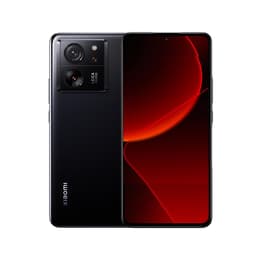
Xiaomi 13T Pro
Xiaomi 13T Pro
Starting at

Refurbished price:241.00

Versus €900.00 new

See options
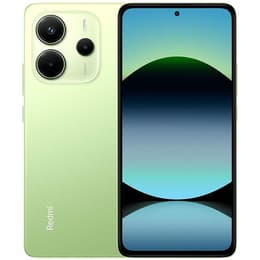
Xiaomi Redmi Note 14 4G
Starting at

Refurbished price:162.00

Versus €229.99 new

See options

Ratings

The Xiaomi 13T Pro, released in September 2023, and the Xiaomi Redmi Note 14 4G, launched in late 2024 or early 2025, are both Android smartphones from Xiaomi, yet they cater to different user expectations. While the 13T Pro emphasizes high-end performance and advanced camera capabilities, the Redmi Note 14 4G focuses on delivering a balanced experience with extended software support and a robust battery for everyday use. Both devices operate on Xiaomi's HyperOS, built upon the Android platform.

Scores

Durability

When considering the long-term usability of these devices, their release timelines and software support policies are key factors. The Xiaomi 13T Pro, launched in September 2023, was promised four major Android updates and five years of security patches, extending its support until 2028. The Redmi Note 14 4G, being a newer device from late 2024 or early 2025, offers an even longer commitment with four major Android updates and an impressive six years of security patches, aiming for support until March 2031.

  • Software Longevity: The Redmi Note 14 4G is set to receive security updates for a longer duration, potentially making it a more secure option for users planning to keep their device for many years. The 13T Pro, having launched earlier, will conclude its software support sooner.
  • Durability Features: The Xiaomi 13T Pro features an IP68 rating for dust and water resistance, offering a higher level of protection against environmental elements. The Redmi Note 14 4G comes with an IP64 rating, providing protection against dust and splashes. Both devices utilize Corning Gorilla Glass 5 for screen protection.
  • Repairability: While specific repairability scores can vary by region and component availability, both devices are part of the Xiaomi ecosystem, which generally offers accessible repair services and parts, especially when considering a quality-assured refurbished option.

Year of Release

2023

2025

OS

Android

Android

Foldable

No

No

Performance

The performance capabilities of these two smartphones present a notable difference, primarily driven by their internal components. The Xiaomi 13T Pro is equipped with a more advanced processor, designed to handle demanding applications and multitasking with considerable ease.

  • Processing Power: The 13T Pro offers a significantly higher level of processing power, resulting in smoother operation for intensive tasks like high-fidelity gaming and complex video editing. Users will experience faster app loading times and more fluid transitions.
  • Multitasking and Responsiveness: With its robust internal architecture and higher RAM configurations (up to 16GB), the 13T Pro maintains responsiveness even with numerous applications running simultaneously. The Redmi Note 14 4G, while capable for everyday tasks and casual gaming, may exhibit occasional stutters or slower performance under heavy loads, typically offering up to 8GB of RAM.
  • Battery Behavior: Both devices feature large battery capacities, with the 13T Pro housing a 5000 mAh battery and the Redmi Note 14 4G offering a 5110 mAh or 5500 mAh battery. The 13T Pro supports exceptionally fast 120W wired charging, capable of fully charging in under 20 minutes. The Redmi Note 14 4G provides 33W wired fast charging, which is still efficient for daily use.

Memory (GB)

12 GB

6 GB

Screen quality

Both smartphones feature AMOLED displays, known for their vibrant colors and deep blacks, but they differ in resolution, refresh rate, and peak brightness, impacting the overall visual experience.

  • Display Technology and Clarity: Both devices utilize AMOLED panels, providing excellent contrast. The Xiaomi 13T Pro boasts a 6.67-inch CrystalRes AMOLED display with a resolution of 1220 x 2712 pixels, offering a sharper and more detailed image compared to the Redmi Note 14 4G's 6.67-inch AMOLED display with 1080 x 2400 pixels.
  • Brightness and Smoothness: The 13T Pro offers a higher peak brightness of 2600 nits and a 144Hz refresh rate, resulting in exceptionally smooth scrolling and excellent visibility even in bright outdoor conditions. The Redmi Note 14 4G features a peak brightness of up to 2100 nits (or 1800 nits depending on the source) and a 120Hz refresh rate, which still provides a fluid viewing experience and good outdoor visibility.
  • Viewing Experience: The 13T Pro supports Dolby Vision and HDR10+, enhancing the dynamic range and color accuracy for compatible content. Both displays are protected by Corning Gorilla Glass 5.

Resolution

1220 x 2712

1080x2400

Audiovisual

The camera systems on the Xiaomi 13T Pro and the Redmi Note 14 4G are designed with different priorities, influencing their photographic and videographic capabilities.

  • Rear Camera System: The Xiaomi 13T Pro features a Leica-tuned triple camera setup, including a 50 MP wide lens with optical image stabilization (OIS), a 50 MP telephoto lens with 2x optical zoom, and a 12 MP ultrawide lens. This configuration provides versatility for various shooting scenarios, including detailed zoomed shots. The Redmi Note 14 4G typically features a 108 MP primary sensor with OIS, often accompanied by a 2 MP macro and a 2 MP depth sensor, with some variations in the ultrawide lens availability. The 108 MP sensor can capture highly detailed images, especially in good lighting.
  • Photography Performance: The 13T Pro is praised for its outstanding photo quality, particularly in low-light conditions and for portraits, benefiting from Leica's color science. The Redmi Note 14 4G's main camera performs well in daylight and offers good detail, but its secondary sensors are often considered less versatile.
  • Video Recording and Audio: The 13T Pro supports high-resolution video recording up to 8K at 24fps, along with various other modes and gyro-EIS for stabilization. The Redmi Note 14 4G records video up to 1080p, with good stabilization for its class. Both devices offer stereo speakers, with the 13T Pro supporting 24-bit/192kHz Hi-Res Audio. The Redmi Note 14 4G also includes a 3.5mm headphone jack, which is absent on the 13T Pro.

Miscellaneous

Beyond the core specifications, several practical elements differentiate these two Xiaomi smartphones, affecting daily usability and connectivity.

  • Connectivity and Network: The Xiaomi 13T Pro offers advanced connectivity, including 5G network support and Wi-Fi 7, ensuring faster data speeds and future-proofing. The Redmi Note 14 4G, as its name suggests, is limited to 4G networks and typically supports Wi-Fi 5 or Wi-Fi 6. Both devices include Bluetooth for wireless accessories.
  • Ports and Sensors: The 13T Pro features a USB-C port and supports dual SIM with eSIM functionality. The Redmi Note 14 4G also has a USB-C port, a 3.5mm headphone jack, and often a hybrid SIM slot for expandable storage. Both phones include essential sensors like fingerprint readers (in-screen for Redmi Note 14 4G, optical for 13T Pro), accelerometers, and compasses.
  • Design and Handling: The 13T Pro has dimensions of 162.2 x 75.7 x 8.5 mm and weighs around 200-206 grams, offering a premium feel with glass or eco-leather back options. The Redmi Note 14 4G measures 163.25 x 76.55 x 8.16 mm and weighs 196.5 grams, featuring a plastic back with a matte finish and rounded edges for comfortable handling.

Weight

200 g

196 g

Screen size (in)

6.67

6.67

Network

5G

4G

SIM card

Physical SIM + eSIM

Physical SIM + eSIM

Carrier compatibility

Unlocked

Unlocked

The Xiaomi 13T Pro and the Xiaomi Redmi Note 14 4G cater to distinct user needs, with each device excelling in different areas. User feedback for the 13T Pro often highlights its powerful performance, excellent display, and impressive camera system, particularly its low-light capabilities and fast charging. Some users note that while performance is strong, it might experience throttling during extended heavy use. The Redmi Note 14 4G is frequently praised for its long-lasting battery, vibrant AMOLED display, and the extended software support commitment, making it a reliable daily driver. Criticisms sometimes point to its less versatile secondary cameras and the absence of 5G connectivity.

Users prioritizing high-end performance for demanding applications, advanced photography features with optical zoom, and ultra-fast charging will find the Xiaomi 13T Pro well-suited to their needs. Its superior display clarity and higher refresh rate also make it ideal for media consumption and gaming. Conversely, individuals who value extended software longevity, a robust battery for prolonged use, and a more budget-conscious approach to smartphone ownership may lean towards the Redmi Note 14 4G. Its inclusion of a 3.5mm headphone jack and expandable storage also appeals to users who prefer these traditional features. Both devices offer compelling options within their respective segments, and considering a quality-assured refurbished option for either model can provide an eco-friendly alternative for consumers.


See all articles

Our recent comparisons