


Compare models

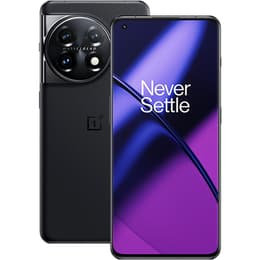
OnePlus 11 Vs OnePlus 13

  • 1-year minimum warranty
  • Free delivery on all orders
  • Free 30-day returns
OnePlus 11
Starting at

Refurbished price:€583.00

Versus €949.00 new

See options
OnePlus 13
Starting at

Refurbished price:€792.00

Versus €1,049.00 new

See options

Differences at a glance

The OnePlus 11 (2023) and OnePlus 13 (2025) represent two successive generations of high-performance Android smartphones designed to handle demanding daily tasks with ease. While both models share a focus on smooth system navigation and fast charging speeds, the OnePlus 13 introduces substantial refinements in battery capacity, display technology, and overall processing capability compared to its predecessor. Both devices operate on Google's Android ecosystem, paired with custom interface software that offers extensive personalization options, though the newer model benefits from an extended software support lifecycle.

Available Models

Colour

Storage

Scores

Durability

Evaluating the long-term viability of these devices involves examining their software support windows, physical durability features, and expected hardware longevity.

  • Software Support Window: The OnePlus 13 benefits from a later release year, securing several more years of active Android operating system updates and security patches than the OnePlus 11.
  • Build and Repairability: Both smartphones feature robust glass-and-metal construction, with the OnePlus 13 incorporating enhanced ceramic-shield glass protection and higher dust and water resistance ratings for improved everyday resilience.
  • Expected Lifespan: Thanks to generous baseline memory configurations and efficient thermal management, both models are well-equipped to maintain responsive performance over multiple years of regular use.

Year of Release

2023

2025

Compatible with latest Update

Yes

Yes

OS

Android

Android

Foldable

No

No

Performance

Performance capabilities differ notably between generations, influencing how smoothly heavy applications and multitasking workflows operate.

  • Processing Power: The OnePlus 13 utilizes a newer generation of silicon that translates to faster app loading times, improved thermal efficiency during extended gaming sessions, and smoother background multitasking.
  • Battery Behavior: The OnePlus 13 includes a significantly larger capacity power cell, providing extended screen-on time between charges compared to the smaller battery found in the OnePlus 11.
  • Storage and Memory: Both devices offer generous RAM and storage tiers, ensuring seamless switching between multiple open applications without stutter or lag.

Screen quality

Display characteristics vary in panel sophistication, peak brightness limits, and overall viewing immersion.

  • Panel Technology: Both models utilize advanced fluid AMOLED panels with adaptive refresh rates up to 120Hz, ensuring buttery-smooth scrolling and responsive touch interactions.
  • Brightness and Clarity: The OnePlus 13 features a higher peak brightness threshold, making outdoor visibility under direct sunlight noticeably clearer than on the OnePlus 11.
  • Viewing Experience: The OnePlus 13 offers a slightly larger canvas with razor-thin bezels, creating an immersive media consumption environment for streaming video and playing games.

Resolution

1440 x 3216

1440 x 3168

Screen type

LTPO3 Fluid AMOLED

AMOLED

Audiovisual

Imaging hardware and audio output capabilities dictate how well each phone handles photography, video recording, and media playback.

  • Camera Systems: Both smartphones employ versatile triple-lens configurations co-developed with tuning partnerships, though the OnePlus 13 upgrades its auxiliary lenses to maintain sharper detail across wide-angle and telephoto shots.
  • Low-Light and Video: Improved image processing on the newer model yields cleaner low-light photographs and stabilized video recording across challenging lighting conditions.
  • Media Output: Both devices feature robust stereo speakers that deliver clear audio for hands-free calls, podcasts, and casual video viewing without external accessories.

Miscellaneous

Practical day-to-day usability elements encompass connectivity standards, physical dimensions, and biometric security features.

  • Connectivity and Ports: Both models support rapid 5G network speeds, advanced Wi-Fi standards, and Bluetooth connectivity, alongside reliable USB-C charging interfaces.
  • Biometric Security: The OnePlus 13 upgrades to an ultrasonic in-display fingerprint scanner for faster and more reliable authentication, improving upon the optical sensor used in the OnePlus 11.
  • Ergonomics: Despite packing a larger battery, the OnePlus 13 maintains a balanced weight distribution and comfortable handfeel similar to its predecessor.

Weight

205 g

213 g

Screen size (in)

6.7

6.82

Network

5G

5G

SIM card

Dual Physical SIM + eSIM

Dual Physical SIM

Carrier compatibility

Unlocked

Unlocked

Connector

USB-C

USB-C

What the community thinks

Users prioritizing maximum battery endurance, peak outdoor screen brightness, and extended software longevity will find the OnePlus 13 well-suited to their daily routines. Conversely, individuals seeking a streamlined, high-performance smartphone experience without the latest generational additions will find the OnePlus 11 remains a capable daily driver. For those exploring sustainable purchasing decisions, a quality-assured refurbished option provides a reliable and eco-friendly alternative that extends the life cycle of these advanced electronics.

Ultimately, the choice between these two devices depends on how much weight a user places on cutting-edge processing efficiency and extended update timelines versus established baseline reliability. Reviewing these practical distinctions helps align each device's specific strengths with individual usage habits.








