

Compare models

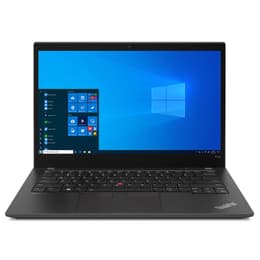
Lenovo ThinkPad T14 G2 14" Vs Microsoft Surface Pro 6 12"

  • 1-year minimum warranty
  • Free delivery on all orders
  • Free 30-day returns
Lenovo ThinkPad T14 G2 14"
Starting at

Refurbished price:€508.00

Versus €1,485.00 new

See options
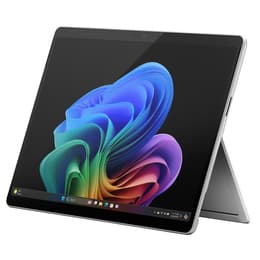
Microsoft Surface Pro 6 12"
Starting at

Refurbished price:€468.99

Versus €1,829.00 new

See options

Differences at a glance

The Lenovo ThinkPad T14 Gen 2 (2021) and the Microsoft Surface Pro 6 (2018) represent two distinct approaches to portable computing: a traditional, productivity-focused clamshell laptop and a versatile detachable two-in-one tablet. While they target professionals and students alike, their form factors and release timelines create notable differences in everyday usability. Operating on standard desktop software ecosystems, both devices offer reliable daily computing experiences while catering to very different physical handling preferences.

Available Models

Storage

Processor

Memory

Scores

Durability

When examining longevity and durability, both machines offer distinct physical structures and software update lifecycles tied to their respective release years.

  • Software support timeline: The Lenovo ThinkPad T14 Gen 2 benefits from a newer release year, ensuring extended compatibility with current operating system updates compared to the older Microsoft Surface Pro 6.
  • Repairability and physical resilience: The ThinkPad features a modular design with accessible components for easier maintenance, whereas the Surface Pro 6 relies on a sealed adhesive build that complicates component replacement.
  • Expected practical lifespan: Users can anticipate several more years of active primary service from the newer Lenovo model due to its advanced hardware baseline and prolonged software support path.

Year of Release

2020

2017

Last Os Compatibility

Yes

Yes

OS

Windows 11

Windows 11

Performance

Daily responsiveness and multitasking capabilities vary significantly based on internal hardware generations and thermal design.

  • Multitasking and app execution: The Lenovo ThinkPad T14 Gen 2 handles heavy office suites, extensive browser tabs, and demanding background applications smoothly through its modern multi-core processor and ample memory configurations.
  • Battery behavior in typical use: The Microsoft Surface Pro 6 provides sufficient endurance for mobile note-taking and media viewing, though heavier computing tasks demand more frequent recharging compared to its competitor.
  • Storage and system responsiveness: Both options utilize rapid solid-state storage architecture, ensuring swift system boot times and quick file transfers for everyday productivity workflows.

Graphic card

Integrated Graphics

Integrated Graphics

Screen quality

Display characteristics differ notably in physical dimensions, aspect ratios, and visual presentation for daily tasks.

  • Display technology and clarity: The Microsoft Surface Pro 6 features a compact, high-resolution pixel-dense screen optimized for touch interaction and digital drawing, while the Lenovo offers a traditional matte workspace designed to minimize glare.
  • Brightness and outdoor visibility: Both screens deliver adequate illumination for indoor offices and classrooms, though bright sunlight conditions require careful positioning to maintain clear legibility.
  • Screen size and viewing experience: The 14-inch panel on the Lenovo provides expansive room for side-by-side document editing, whereas the 12-inch Microsoft screen prioritizes tablet portability and compact travel convenience.

Resolution

1920 x 1080

2736 x 1824

Screen type

IPS

IPS

Camera

Audiovisual

Multimedia capabilities, audio output, and remote communication tools reflect the distinct physical designs of each device.

  • Video conferencing equipment: Both models include integrated webcams and microphone arrays suitable for virtual meetings, online lectures, and video calls with colleagues or friends.
  • Speaker output and media consumption: Built-in stereo speakers deliver clear dialogue for podcasts and webinars, though external headphones or speakers enhance bass performance during entertainment playback.
  • Imaging features: The Surface Pro 6 includes a rear-facing camera option useful for quick document scanning in tablet mode, a feature absent in the traditional laptop build of the ThinkPad.

Miscellaneous

Physical connectivity options, input methods, and port availability define how each device integrates into daily workflows.

  • Port selection and connectivity: The Lenovo ThinkPad T14 Gen 2 offers a diverse array of built-in connections including standard USB ports, HDMI, and network jacks, while the Surface Pro 6 relies on a minimalist port layout requiring external adapters for traditional accessories.
  • Input peripherals: The Lenovo provides a renowned tactile typing experience with a dedicated physical keyboard and tracking stick, whereas the Microsoft device utilizes a detachable fabric keyboard cover alongside full touchscreen support.
  • Build materials and handling: The ThinkPad emphasizes rugged, enterprise-grade durability, whereas the Surface Pro 6 focuses on a lightweight magnesium alloy chassis designed for effortless handheld tablet use.

Weight

7500 g

990 g

Screen size

14

12

What the community thinks

Choosing between these two computing options depends heavily on individual workflow preferences and daily portability requirements. Users who prioritize a traditional typing experience, extensive physical port variety, and robust multitasking capabilities will find the Lenovo ThinkPad T14 Gen 2 well-suited to their professional needs. Conversely, individuals who favor a lightweight, highly portable tablet form factor with touch screen flexibility and digital pen support often gravitate toward the Microsoft Surface Pro 6. For those seeking a sustainable choice, a quality-assured refurbished option from Back Market provides an eco-friendly alternative that extends device life cycles without compromising on performance standards. Reviewing personal space constraints and software demands remains the most effective way to determine the ideal device for long-term daily use.


Our recent comparisons