
iPhone

Compare models
Differences at a glance
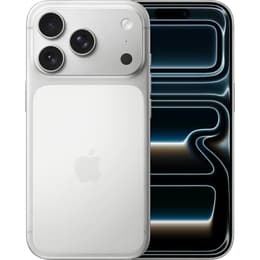
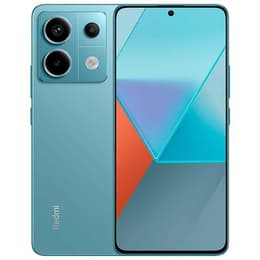
The iPhone 17 Pro, released in September 2025, and the Xiaomi Redmi Note 13 Pro, launched globally in January 2024, represent distinct offerings in the smartphone market. While both are designed to provide a comprehensive mobile experience, they cater to different user expectations through their operating systems and hardware philosophies. The iPhone 17 Pro operates on Apple's iOS 26, emphasizing a tightly integrated ecosystem, whereas the Redmi Note 13 Pro runs on Android 13, upgradable to Xiaomi HyperOS 2 based on Android 15, offering greater customization. Key differentiators lie in their processing power, camera systems, and overall build, influencing their practical use cases.
Colour
Storage
The longevity of a smartphone is influenced by its release timeline, software support, and physical resilience. These two devices offer different profiles in terms of expected lifespan and durability.
Year of Release
Compatible with latest Update
OS
Foldable
Performance is central to the daily user experience, affecting everything from app responsiveness to demanding tasks like gaming and video editing. These devices approach performance with different hardware foundations.
The display is the primary interface for user interaction, and both devices offer vibrant screens, though with differences in technology and specifications.
Resolution
Screen type
Camera capabilities are a significant factor for many users, and these smartphones offer distinct approaches to photography and videography.
Main camera
Front camera
Beyond core performance and display, various practical features contribute to the overall user experience and device utility.
Weight
Screen size (in)
Network
SIM card
Carrier compatibility
Choosing between the iPhone 17 Pro and the Xiaomi Redmi Note 13 Pro involves weighing priorities across performance, camera capabilities, and ecosystem preferences. Users often praise the iPhone 17 Pro for its exceptional processing power, robust camera system with advanced video features, and long-term software support. Common feedback highlights its fluid user experience and strong integration within the Apple ecosystem. Some users, however, might find its closed ecosystem less flexible compared to Android.
The Xiaomi Redmi Note 13 Pro is frequently lauded for its vibrant AMOLED display, impressive 200MP main camera, and excellent battery life with fast charging. Users appreciate its value proposition and the flexibility offered by the Android operating system, including expandable storage and the presence of a headphone jack. Criticisms sometimes point to its auxiliary cameras not matching the main sensor's quality and a potentially shorter software update cycle compared to flagship devices.
Users prioritizing cutting-edge performance, a highly refined camera experience with professional video capabilities, and a long-term commitment to software updates may prefer the iPhone 17 Pro. Its robust build and advanced security features also cater to those seeking a premium and durable device. Conversely, users who value a larger, vibrant display, a high-megapixel main camera for detailed photos, extensive battery life with rapid charging, and the flexibility of the Android ecosystem with expandable storage and a headphone jack, may find the Redmi Note 13 Pro better suited to their needs. Both devices offer compelling features for their respective audiences, and considering a quality-assured refurbished option for either model can be an eco-friendly alternative to purchasing new.









