


Compare models
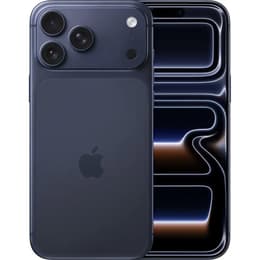
iPhone 17 Pro Max Vs OnePlus 10 Pro
- 1-year minimum warranty
- Free delivery on all orders
- Free 30-day returns
Differences at a glance
The iPhone 17 Pro Max (2025) and the OnePlus 10 Pro (2022) are large-screen flagship smartphones from different generations and operating system ecosystems. While the iPhone 17 Pro Max runs on Apple's iOS platform with a focus on unibody design and advanced unassisted performance, the OnePlus 10 Pro operates on Android with custom software features tuned for flexibility. These two devices represent distinct eras of mobile engineering and cater to different software preferences.
Available Models
Colour
Storage
Scores
Durability
When evaluating hardware longevity and software support, the release timeline gap between these two models plays a significant role in their expected practical lifespans.
- Release Timeline and OS Support: The iPhone 17 Pro Max launched in late 2025, benefiting from Apple's extended software update lifecycle. The OnePlus 10 Pro debuted in early 2022, meaning it sits further along its total software support window.
- Build Durability: The iPhone 17 Pro Max incorporates advanced multi-layered glass protection and unibody reinforcement, while the OnePlus 10 Pro utilizes durable curved glass panels with structured aluminum framing.
- Expected Lifespan: Users seeking maximum software longevity will find that the newer release date of the Apple device provides more years of active security updates.
Year of Release
2025
2022
Compatible with latest Update
Yes
Yes
OS
iOS
Android
Foldable
No
No
Performance
Both handsets handle intensive daily tasks, though they approach multitasking, processing efficiency, and storage capacity through different hardware configurations.
- Storage and Multitasking: The iPhone 17 Pro Max offers generous storage tiers starting at higher capacities alongside substantial working memory for seamless app switching. The OnePlus 10 Pro provides configurable memory options that manage everyday apps and background processes efficiently.
- System Responsiveness: Both devices load demanding applications quickly and handle mobile gaming without stutter, though current-generation internal silicon delivers improved thermal efficiency during prolonged heavy use.
- Battery Behavior: Battery endurance varies by usage intensity, with modern power-management algorithms helping both options sustain typical daily workflows, supported by fast-charging capabilities on the Android side and optimized energy draw on iOS.
Screen quality
Display technology on both devices delivers sharp visuals, high peak brightness levels, and smooth motion handling for media consumption.
- Display Panels: The iPhone 17 Pro Max features a large organic light-emitting screen equipped with adaptive refresh rate technology. The OnePlus 10 Pro utilizes a curved flexible panel supporting vibrant color reproduction.
- Outdoor Visibility: High peak brightness capabilities on both models ensure that text and images remain legible under direct sunlight or bright ambient lighting conditions.
- Smoothness: Adaptive refresh rates scale up during fast scrolling and gaming interactions, and scale down during static viewing to conserve battery life.
Resolution
2868x1320
1440 x 3216
Screen type
Super Retina XDR
LTPO2 Fluid AMOLED
Audiovisual
Imaging capabilities on these flagships accommodate various photographic styles, ranging from everyday casual snapshots to detailed landscape capture.
- Lens Configurations: Both models feature multi-lens rear camera arrays, including primary sensors and ultra-wide options, supplemented by dedicated telephoto zoom capabilities.
- Low-Light and Video: Image stabilization technology helps reduce blur in dim environments, while high-resolution video recording modes capture stable footage with clear stereo audio capture from built-in microphones.
- Media Consumption: Stereo speaker setups on both devices deliver balanced audio output for podcasts, videos, and hands-free calls.
Main camera
48 megapixels
48 megapixels
Front camera
18 megapixels
32 megapixels
Miscellaneous
Physical handling, connectivity standards, and daily ergonomics differ noticeably due to variations in body geometry and material design.
- Connectivity and Ports: Both models support rapid wireless data standards and modern Wi-Fi protocols, using reversible USB-Type connectors for wired data transfer and charging.
- Dimensions and Weight: The iPhone 17 Pro Max has a slightly heavier build and a flatter unibody frame, whereas the OnePlus 10 Pro utilizes curved edges that alter hand-grip feel during extended use.
- Security Sensors: Secure facial recognition hardware handles biometric authentication on the Apple device, while an optical fingerprint reader embedded beneath the display unlocks the Android alternative.
Weight
233 g
201 g
Screen size (in)
6.9
6.7
Network
5G
5G
SIM card
eSIM
Dual Physical SIM
Carrier compatibility
Unlocked
Unlocked
What the community thinks
User feedback from online communities highlights distinct community preferences for each device. Owners of the iPhone 17 Pro Max frequently praise its robust battery longevity, consistent software update cycle, and refined unibody build quality. Conversely, OnePlus 10 Pro users often point to fast wired charging speeds, a comfortable curved form factor, and flexible Android customization as primary advantages. Common criticisms for the older Android model center on its advancing age regarding software support, while the Apple flagship faces occasional remarks regarding its physical heft during one-handed use.
Users prioritizing long-term software support, video capture depth, and iOS integration will find the iPhone 17 Pro Max well-suited to their needs. Meanwhile, users who favor Android customization, rapid charging replenishment, and ergonomic curved glass edges may lean toward the OnePlus 10 Pro. For consumers seeking a sustainable choice, exploring a quality-assured refurbished option provides a practical way to acquire either device while minimizing environmental impact.










