

iPhone 16 Pro Max Vs Xiaomi Redmi 14C

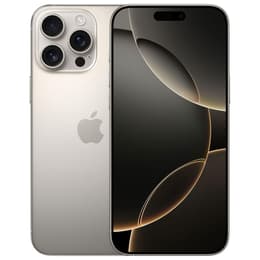
iPhone 16 Pro Max
iPhone 16 Pro Max
Starting at

Refurbished price:821.00

Versus €1,489.00 new

See options
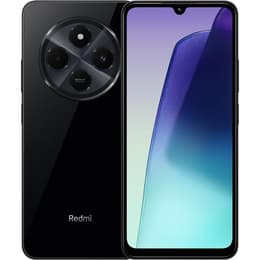
Xiaomi Redmi 14C
Xiaomi Redmi 14C
Starting at

Refurbished price:128.20

Versus €189.00 new

See options

Ratings

The iPhone 16 Pro Max, released in September 2024, represents Apple's high-end smartphone offering, running on iOS. In contrast, the Xiaomi Redmi 14C, launched in August 2024, is a more accessible Android-based device featuring Xiaomi's HyperOS. These two phones cater to different user expectations, with the iPhone prioritizing advanced performance and camera capabilities, while the Redmi focuses on a large display and extended battery life for everyday use.

Scores

Durability

When considering the practical lifespan of these devices, several factors come into play, including software support, build quality, and repairability.

  • Software Longevity: The iPhone 16 Pro Max, running iOS, typically receives major operating system updates for an extended period, often five to six years from its release. This ensures access to new features and security enhancements for a considerable duration. The Xiaomi Redmi 14C, operating on Android with HyperOS, generally receives two major Android updates and four years of security patches, which is a generous offering for its segment. [2]
  • Build Materials: The iPhone 16 Pro Max features a durable titanium frame and a Ceramic Shield front cover, contributing to its resistance against drops and scratches. It also boasts an IP68 rating for dust and water resistance, allowing submersion up to 6 meters for 30 minutes. [1, 6, 16] The Redmi 14C typically uses a glass-like back and a plastic frame, with some variants offering an eco-leather finish. While some versions of the Redmi 14C may offer an IP52 rating for dust and splash resistance, it does not match the iPhone's level of water immersion protection. [7, 9, 24]
  • Repairability: Both devices are designed with modern smartphone construction, which can make user-level repairs challenging. Information on specific repairability scores for these exact models is not widely available, but generally, Apple and Xiaomi devices require specialized tools and expertise for internal component replacement.

Year of Release

2024

2024

Compatible with latest Update

Yes

Yes

Foldable

No

No

Performance

The performance of a smartphone is largely determined by its internal components, influencing how smoothly applications run and how efficiently it handles demanding tasks.

  • Processing Power: The iPhone 16 Pro Max is equipped with a high-performance processor designed for intensive applications, advanced gaming, and complex computational tasks, including AI features. This allows for seamless multitasking and rapid app loading. [1, 3, 6, 16, 21] The Xiaomi Redmi 14C utilizes a processor that capably handles daily activities such as web browsing, social media, and casual gaming. It is designed for efficient performance in typical smartphone usage scenarios. [2, 5, 7, 9, 11, 12, 17, 20]
  • Memory and Storage: The iPhone 16 Pro Max comes with a substantial amount of internal memory, contributing to its ability to manage numerous applications simultaneously without slowdowns. It offers various storage configurations, starting from a generous base. [1, 6] The Redmi 14C provides multiple memory options, and it includes a memory extension feature that can utilize a portion of the storage for additional virtual RAM, enhancing multitasking capabilities. It also supports expandable storage via a microSD card. [2, 7, 8, 9, 11, 17, 20]
  • Battery Behavior: The iPhone 16 Pro Max is noted for its extended battery life, with users reporting it can last through prolonged periods of video playback and general use, making it one of the longest-lasting iPhones. [10, 13, 14] The Redmi 14C features a large battery capacity, providing approximately 1.5 days of usage under light to moderate conditions. While it supports fast charging, a charger is typically not included. [2, 5, 7, 8, 9, 11, 17, 27, 36]

Memory (GB)

8 GB

4 GB

Screen quality

The display is a primary interface for smartphone interaction, and its quality significantly impacts the visual experience.

  • Display Technology and Resolution: The iPhone 16 Pro Max features a 6.9-inch Super Retina XDR OLED display, offering deep blacks, vibrant colors, and high contrast. Its resolution provides sharp and detailed visuals, suitable for high-definition content. [1, 3, 6] The Xiaomi Redmi 14C comes with a 6.88-inch IPS LCD panel, which delivers clear visuals and ample screen real estate. Its HD+ resolution is well-suited for everyday browsing and video streaming. [2, 4, 5, 7, 9, 11, 12, 17, 20, 27]
  • Brightness and Refresh Rate: The iPhone 16 Pro Max's display can reach high brightness levels, ensuring good visibility even in bright outdoor conditions, and supports HDR content. It also features an adaptive refresh rate up to 120Hz for smooth scrolling and responsive interactions. [1, 3, 6] The Redmi 14C offers a peak brightness that is sufficient for indoor use and provides a smooth 120Hz refresh rate, enhancing the fluidity of on-screen motion. It also includes features like low blue light certification for comfortable extended viewing. [2, 4, 5, 9, 11, 12, 17, 27]
  • Screen Size and Viewing: Both devices offer large screen sizes, providing an expansive viewing area for media consumption and productivity. The iPhone 16 Pro Max has notably thin display borders, maximizing the screen-to-body ratio. [3, 16] The Redmi 14C's large display is complemented by a dot-drop notch for the front camera. [4, 11]

Resolution

1320 x 2868

720 x 1640

Screen type

LTPO Super Retina XDR OLED

IPS LCD

Audiovisual

The camera systems on both devices offer distinct capabilities for capturing photos and videos, catering to different levels of photographic ambition.

  • Rear Camera System: The iPhone 16 Pro Max features a versatile triple-camera system, including a 48MP main sensor, a 48MP ultrawide lens, and a 12MP periscope telephoto lens with 5x optical zoom. This setup is designed for high-resolution images, detailed wide-angle shots, and significant optical zoom capabilities, supported by advanced image stabilization and a LiDAR scanner for depth sensing. [1, 6, 15, 16, 29] The Xiaomi Redmi 14C includes a 50MP main rear camera, capable of capturing bright and detailed photos in good lighting conditions. It is often accompanied by an auxiliary lens, which primarily assists with depth perception rather than offering a distinct photographic function. [2, 4, 5, 7, 9, 11, 12, 17, 19, 24]
  • Front Camera and Video Recording: The iPhone 16 Pro Max is equipped with a 12MP front camera that supports advanced features like autofocus and optical image stabilization, suitable for high-quality selfies and video calls. It excels in video recording, offering 4K resolution at up to 120 frames per second, with support for Dolby Vision HDR and ProRes. [1, 6, 15, 31] The Redmi 14C features a 13MP front camera, which produces decent selfies and includes features like night mode and a soft light ring for improved low-light performance. Video recording on the Redmi 14C is capable of 1080p at 30 frames per second for both front and rear cameras. [2, 5, 7, 9, 11, 17, 19]
  • Additional Camera Features: The iPhone 16 Pro Max introduces a new Camera Control button, providing quick access to camera functions and making it easier to capture moments. [3, 16, 29, 31] The Redmi 14C incorporates Xiaomi's Imaging Engine to optimize picture quality and speed, and offers various filmCamera filters for creative photo and video effects. [5]

Main camera

48 megapixels

50 megapixels

Front camera

12 megapixels

13 megapixels

Miscellaneous

Beyond core performance and display, several practical features and design elements contribute to the overall user experience.

  • Connectivity and Ports: The iPhone 16 Pro Max supports advanced wireless standards, including Wi-Fi 7 and Bluetooth 5.3, along with 5G cellular connectivity. It features a USB-C port for charging and data transfer. [1, 3, 6] The Xiaomi Redmi 14C offers dual SIM support, 4G LTE (with a 5G variant available), Wi-Fi 5, and Bluetooth 5.4. It includes a USB-C port for charging and data, and notably retains a 3.5mm headphone jack and FM radio. [2, 7, 8, 9, 11, 12]
  • Biometric Security and Design: The iPhone 16 Pro Max relies on advanced facial recognition for secure unlocking and authentication. Its design incorporates a titanium frame and a large display with minimal bezels. [1, 3, 6, 16] The Redmi 14C features a side-mounted fingerprint scanner and AI face unlock for convenient access. Its design emphasizes a large screen and a comfortable in-hand feel despite its size. [2, 7, 9, 11]
  • Dimensions and Handling: The iPhone 16 Pro Max has dimensions that make it a large device, weighing around 227 grams. [1, 6, 18] The Redmi 14C is also a sizable phone, with a weight ranging from 204 to 211 grams, and its weight distribution is designed for balance. [2, 7, 8, 9, 17, 20]

Weight

227 g

207 g

Screen size (in)

6.9

6.88

Network

5G

4G

SIM card

Physical SIM + eSIM

Dual Physical SIM

Carrier compatibility

Unlocked

Unlocked

Connector

USB-C (USB 3)

USB-C

The iPhone 16 Pro Max and the Xiaomi Redmi 14C cater to distinct user needs and preferences, reflecting their different positions in the smartphone market. Users frequently praise the iPhone 16 Pro Max for its exceptional camera capabilities, particularly its advanced video features and optical zoom, as well as its powerful performance for demanding applications and gaming. [1, 6, 15, 16, 29, 31] Its extended battery life is also a common point of positive feedback, often cited as one of the best among current smartphones. [10, 13, 14] Some users, however, find its large size and weight to be a consideration for one-handed use. [18, 35]

The Xiaomi Redmi 14C is often commended for its large, fluid 120Hz display, which provides an immersive viewing experience for media consumption. [2, 4, 5, 9, 11, 12, 17, 27] Its battery life, offering around 1.5 days of moderate use, is also a highlight for users seeking consistent endurance. [2, 27] Criticisms sometimes point to its HD+ display resolution not matching higher-end panels and the presence of pre-installed software. [2, 9]

Users prioritizing a top-tier camera system, cutting-edge performance for intensive tasks, and a premium build with long-term software support will find the iPhone 16 Pro Max well-suited to their needs. Those who value a large, smooth display, dependable battery life for everyday use, and essential smartphone features without requiring flagship-level processing power may lean toward the Xiaomi Redmi 14C. Both devices offer quality-assured refurbished options, providing an eco-friendly alternative for consumers looking to make informed and sustainable choices.


See all articles

Our recent comparisons