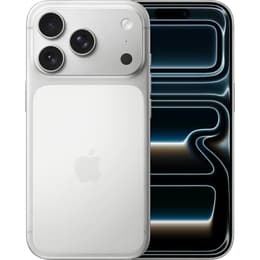


Google Pixel 9 Vs iPhone 17 Pro

Google Pixel 9
Google Pixel 9
Starting at

Refurbished price:376.00

Versus €1,066.71 new

See options
iPhone 17 Pro
iPhone 17 Pro
Starting at

Refurbished price:1,064.00

Versus €1,339.00 new

See options

Ratings

The Google Pixel 9, released in August 2024, and the Apple iPhone 17 Pro, expected in September 2026, represent two distinct approaches to high-end smartphone design and functionality. While both devices offer premium experiences, they differentiate themselves through their camera systems, software ecosystems, and core design philosophies. The Pixel 9 operates on Android, emphasizing AI integration and computational photography, whereas the iPhone 17 Pro runs on iOS, focusing on a refined user experience, robust performance, and advanced video capabilities.

Scores

Durability

When considering the long-term usability of a smartphone, software support and physical durability are key factors. Both the Google Pixel 9 and the iPhone 17 Pro offer substantial longevity, though their approaches differ.

  • Software Updates: The Google Pixel 9 is notable for its commitment to extended software support, promising seven years of operating system and security updates from its release. This ensures the device remains current with the latest features and security protocols for a considerable period. The iPhone 17 Pro, following Apple's typical policy, is expected to receive major iOS updates for approximately five to seven years, with security patches often extending beyond that timeframe, potentially reaching up to 2038 for a device released in 2026.
  • Physical Durability: The Pixel 9 features an IP68 rating for dust and water resistance, and its design incorporates rounded edges and flattened sides. The iPhone 17 Pro, building on its predecessor, is anticipated to feature a titanium frame and a second-generation Ceramic Shield front cover, which Apple states is significantly tougher than previous iterations. Despite these advancements, both devices, like most modern smartphones, remain susceptible to damage from severe drops on hard surfaces.
  • Practical Lifespan: Users can expect both devices to perform reliably for many years. The Pixel 9's extended software commitment provides peace of mind for those who keep their phones for longer durations, while the iPhone 17 Pro's robust build and consistent software updates also contribute to a prolonged practical lifespan.

Year of Release

2024

2025

Compatible with latest Update

Yes

Yes

OS

Android

iOS

Foldable

No

No

Performance

Both the Google Pixel 9 and the iPhone 17 Pro are engineered to deliver smooth and responsive performance, handling demanding applications and multitasking with ease, albeit through different hardware and software optimizations.

  • Processing Power: The Pixel 9 is powered by Google's current-generation Tensor G4 processor, designed to optimize AI-driven tasks and overall system efficiency. This processor ensures that daily operations, from app launching to complex computations, feel fluid. The iPhone 17 Pro will feature Apple's latest A-series chip, a successor to the A18 Pro found in the iPhone 16 Pro. These chips are known for their high performance in both single-core and multi-core tasks, providing substantial power for gaming, video editing, and other intensive applications.
  • Multitasking and Responsiveness: The Pixel 9 comes with 12GB of RAM, which contributes to efficient multitasking and quick app switching. The iPhone 17 Pro is expected to maintain or exceed the generous RAM configurations of its predecessors, ensuring that numerous applications can run simultaneously without slowdowns. Both devices are designed to offer a highly responsive user experience, with minimal lag during navigation and interaction.
  • Battery Behavior: The Pixel 9 includes a 4700 mAh battery, and user reports indicate a significant improvement in battery life compared to earlier Pixel models, often lasting a full day or more with typical usage. The iPhone 17 Pro is anticipated to build upon the strong battery performance of the iPhone 16 Pro, which demonstrated impressive endurance, often exceeding 18-20 hours in various usage scenarios. Both devices support fast wired charging, with the Pixel 9 reaching 55% in 30 minutes at 27W, and the iPhone 17 Pro supporting up to 45W wired charging.

Memory (GB)

12 GB

12 GB

Screen quality

The visual experience on both the Google Pixel 9 and the iPhone 17 Pro is characterized by vibrant colors, sharp details, and smooth motion, thanks to their advanced display technologies.

  • Display Technology and Clarity: The Pixel 9 features a 6.3-inch OLED display with a resolution of 2400x1080 pixels, resulting in a pixel density of 425 ppi. It utilizes Samsung's M14 OLED panel, known for its enhanced visual performance. The iPhone 17 Pro is expected to feature a Super Retina XDR OLED display, likely around 6.3 inches or larger, with a resolution of 2622x1206 pixels and a pixel density of 460 ppi, building on the iPhone 16 Pro's specifications. Both OLED panels deliver deep blacks and high contrast, making content appear more immersive.
  • Brightness and Outdoor Visibility: The Pixel 9's display offers a peak brightness of 1800 nits, ensuring good visibility even in bright outdoor conditions. The iPhone 17 Pro, based on its predecessor, is expected to reach 1000 nits typical brightness and up to 2000 nits peak brightness outdoors, providing excellent readability in various lighting environments.
  • Refresh Rate and Smoothness: Both devices incorporate a 120Hz refresh rate, which translates to smoother scrolling, more fluid animations, and a more responsive feel during tasks like gaming. The Pixel 9 also includes Adaptive Touch technology, which adjusts screen sensitivity based on environmental factors like wet fingers or screen protectors.

Resolution

1080 x 2424

2622x1206

Screen type

OLED

Super Retina XDR

Audiovisual

Both the Google Pixel 9 and the iPhone 17 Pro offer sophisticated camera systems, each with distinct strengths in capturing photos and videos, catering to different user preferences.

  • Rear Camera Systems: The Pixel 9 features a dual-lens rear camera setup, including a 50MP main camera with a large sensor and optical image stabilization (OIS), alongside a 48MP ultra-wide camera that also supports macro autofocus. It excels in computational photography, producing consistently good photos with natural colors and strong low-light performance through features like Night Sight. However, the standard Pixel 9 lacks a dedicated telephoto lens, relying on digital zoom (up to 8x Super Res Zoom). The iPhone 17 Pro is expected to feature a versatile triple-camera system, building on the iPhone 16 Pro's 48MP main camera, a 48MP ultra-wide camera (with macro capabilities), and a 12MP telephoto lens offering 5x optical zoom. This setup provides greater optical versatility, especially for zoomed shots.
  • Video Recording and Features: The Pixel 9 supports 4K video recording at up to 60 frames per second. The iPhone 17 Pro is anticipated to offer advanced video capabilities, including 4K video recording at up to 120 frames per second with ProRes Log support, making it a strong tool for professional videography and creative content creation.
  • Front Camera and Audio: The Pixel 9 has a 10.5MP selfie camera with autofocus. The iPhone 17 Pro is expected to continue with a 12MP TrueDepth front camera. Both devices provide clear audio for calls and media consumption, with the iPhone Pro models often praised for their speaker output.

Main camera

50 megapixels

48 megapixels

Front camera

10.5 megapixels

18 megapixels

Miscellaneous

Beyond their core functionalities, both the Google Pixel 9 and the iPhone 17 Pro incorporate various practical elements that enhance user experience and connectivity.

  • Connectivity and Ports: The Pixel 9 supports modern connectivity standards, including 5G and advanced Wi-Fi. It features a USB-C port for charging and data transfer. The iPhone 17 Pro is expected to support Wi-Fi 7 and also features a USB-C port, offering fast data transfer speeds and the ability to charge accessories.
  • Biometric Security: Both devices offer secure biometric authentication. The Pixel 9 typically uses an in-display fingerprint sensor and face unlock. The iPhone 17 Pro relies on Face ID for secure facial recognition.
  • Design and Handling: The Pixel 9 measures 152.8 x 72.0 x 8.5mm and weighs 198g, offering a comfortable in-hand feel. It is available in various colors. The iPhone 17 Pro, based on the iPhone 16 Pro, has dimensions of 149.6 x 71.5 x 8.25 mm and weighs 199g, featuring a titanium frame and a refined design.
  • Additional Features: The Pixel 9 heavily integrates Gemini-branded AI features, enhancing various aspects of the user experience. The iPhone 17 Pro is built for Apple Intelligence, offering a personal intelligence system to assist with tasks and expression.

Weight

198 g

206 g

Screen size (in)

6.3

6.3

Network

5G

5G

SIM card

Physical SIM + eSIM

Physical SIM + eSIM

Carrier compatibility

Unlocked

Unlocked

Connector

USB-C

USB-C

User sentiment for the Google Pixel 9 often highlights its exceptional camera performance, particularly its point-and-shoot reliability and advanced AI processing, making it a favorite for those who value effortless, high-quality photography. Its extended software support is also a frequently praised aspect, offering long-term value. Some common criticisms include the absence of a dedicated telephoto lens on the base model and, for some, the design of the camera bar. The iPhone 17 Pro, building on its predecessors, is generally lauded for its robust performance, premium build quality, and industry-leading video capabilities. Users appreciate its consistent ecosystem and the reliability of iOS. Potential concerns might revolve around its iterative design changes or the perceived vulnerability of its glass construction despite advanced Ceramic Shield.

Users prioritizing an intuitive Android experience with cutting-edge AI features and a strong, consistent camera for everyday photos may find the Google Pixel 9 well-suited to their needs. Its long-term software commitment also appeals to those who prefer to keep their devices for many years. Conversely, users who prioritize a powerful and versatile camera system with optical zoom, advanced video recording capabilities, and a highly refined iOS ecosystem may lean towards the iPhone 17 Pro. Its strong performance and premium materials cater to those seeking a top-tier device for demanding tasks and creative work.

For those considering either device, exploring quality-assured refurbished options can provide an eco-friendly alternative, offering access to these advanced technologies while supporting sustainable consumption.


See all articles

Our recent comparisons





