
iPhone

Compare models
Differences at a glance
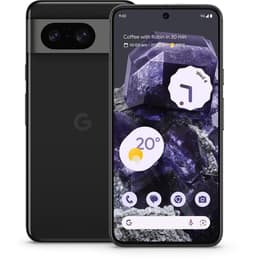
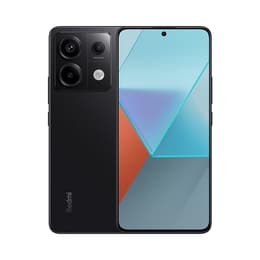
The Google Pixel 8A, released in May 2024, and the Xiaomi Redmi Note 13 Pro, launched in January 2024, are both contemporary smartphones designed to offer a balanced experience. While the Pixel 8A emphasizes a streamlined Android experience with advanced computational photography, the Redmi Note 13 Pro focuses on a larger display, higher megapixel camera, and rapid charging capabilities. Both devices operate on the Android platform, but they offer distinct software philosophies and hardware priorities.
Colour
Storage
When considering the long-term usability of these devices, their respective release timelines and software support policies are key factors.
Year of Release
Compatible with latest Update
OS
Foldable
Both smartphones are equipped with capable processors designed to handle daily tasks and more demanding applications, though they approach performance from different architectural standpoints.
The visual experience on both devices is delivered through vibrant displays, though they differ in size and specific technologies.
Resolution
Screen type
Both smartphones offer capable camera systems, each with its own strengths in capturing photos and videos.
Main camera
Front camera
Beyond core specifications, several practical elements contribute to the overall user experience of these devices.
Weight
Screen size (in)
Network
SIM card
Carrier compatibility
The Google Pixel 8A and Xiaomi Redmi Note 13 Pro cater to slightly different user preferences, each excelling in specific areas based on common user feedback.
Users frequently praise the Pixel 8A for its exceptional camera performance, often noting its ability to produce high-quality images with minimal effort, thanks to Google's computational photography. Its compact size and clean, bloatware-free Android experience are also highly regarded. The long software update commitment is a significant advantage for users who plan to keep their device for many years. Criticisms sometimes point to its slower charging speeds and the presence of noticeable display bezels.
The Redmi Note 13 Pro receives commendation for its large, vibrant AMOLED display, which offers a highly immersive viewing experience. Its 200 MP main camera is often highlighted for capturing detailed photos, and its fast 67W charging capability is a significant convenience for users needing quick power-ups. The inclusion of a 3.5mm headphone jack is also a positive for many. Some users have noted that its auxiliary cameras are less impressive than the main sensor and that its software update policy, while improved, does not match the Pixel's longevity.
Users prioritizing a compact device with a class-leading camera, a pure Android experience, and extended software support may find the Google Pixel 8A well-suited to their needs. Conversely, users who value a larger, high-resolution display, rapid charging, and a high-megapixel main camera might lean towards the Xiaomi Redmi Note 13 Pro. Both devices offer compelling features, and choosing between them often comes down to these specific priorities. For those considering a more sustainable choice, quality-assured refurbished options for both models are available, providing an eco-friendly alternative.