
Compare models
Google Pixel 8 Pro Vs Xiaomi 14
- 1-year minimum warranty
- Free delivery on all orders
- Free 30-day returns
Differences at a glance
The Google Pixel 8 Pro and the Xiaomi 14 are flagship smartphones released in late 2023 that cater to distinct user preferences through differing hardware ecosystems and software approaches. While both devices deliver high-end mobile experiences, the Google Pixel 8 Pro emphasizes long-term software support and intelligent computational photography, whereas the Xiaomi 14 focuses on a compact physical footprint and powerful core processing hardware. Operating on Android-based platforms with unique interface designs, these smartphones offer varied pathways for users navigating daily communication, media consumption, and productivity tasks.
Available Models
Colour
Storage
Scores
Durability
When examining hardware longevity and software update schedules, both smartphones provide robust support windows, though Google leads in guaranteed duration for OS refreshes. Consideration of repair ecosystem accessibility and battery degradation patterns helps determine overall practical lifespan.
- Software longevity and update windows: The Google Pixel 8 Pro benefits from a manufacturer commitment providing seven years of full operating system and security updates. The Xiaomi 14 provides a standard multi-year update schedule covering several generations of system upgrades and security patches.
- Repairability and physical durability: Both models feature dust and water resistance ratings alongside strengthened glass panels. Authorized repair networks for both brands offer component replacements, though component availability varies by regional market.
- Expected practical lifespan: Users can expect multi-year functional usability from both devices, with the Pixel model retaining software feature freshness longer due to its extended support timeline.
Year of Release
2023
2023
Compatible with latest Update
Yes
Yes
Foldable
No
No
Performance
Underneath the exterior, both devices manage demanding workloads efficiently, though they utilize different internal architectures to balance speed, thermal management, and power consumption. Multitasking and daily system responsiveness remain smooth across both platforms.
- System responsiveness and multitasking: Both smartphones handle intensive applications, rapid app switching, and demanding games smoothly without noticeable stutter. The Xiaomi 14 benefits from generous RAM configurations that assist heavy multitasking routines.
- Battery behavior and daily endurance: The Google Pixel 8 Pro features a larger physical battery capacity suited for extended screen-on times, while the Xiaomi 14 employs efficient power management to sustain a full day of typical use despite its smaller physical cell.
- Storage capacity choices: Multiple storage tiers are available across both lineups, accommodating users with large media libraries or minimal local storage requirements.
Screen quality
Display configurations on these flagships deliver sharp visuals, high peak brightness for outdoor legibility, and adaptive refresh rates that scale smoothly during scrolling and gaming.
- Display technology and clarity: Both models utilize advanced organic light-emitting diode panels with high pixel densities, producing deep black levels and vivid contrast for media viewing.
- Brightness and outdoor visibility: High maximum luminance levels on both screens ensure clear readability under direct sunlight or bright ambient lighting conditions.
- Physical dimensions and handling: The Google Pixel 8 Pro offers a larger screen workspace suited for productivity and media consumption, whereas the Xiaomi 14 provides a more compact display diagonal that simplifies single-handed operation.
Resolution
1344 x 2992
1200 x 2670
Screen type
LTPO OLED
LTPO OLED
Audiovisual
Photography and video capture systems on these devices employ distinct optical configurations and processing philosophies to handle everyday shots, low-light environments, and audio recording.
- Primary and zoom photography: The Google Pixel 8 Pro incorporates a dedicated telephoto lens with high-magnification optical zoom alongside advanced computational photography tools. The Xiaomi 14 utilizes a versatile triple-lens setup developed in collaboration with optical partners to capture balanced everyday imagery.
- Video recording and stabilization: Both handsets support high-resolution video capture formats with stable footage stabilization during movement, making them capable tools for casual videography.
- Audio and media output: Stereo speaker setups on both devices deliver clear sound output for calls and media playback, supported by multi-microphone arrays for effective voice isolation.
Main camera
50 megapixels
50 megapixels
Front camera
10.5 megapixels
32 megapixels
Miscellaneous
Practical daily usability is influenced by connectivity standards, physical dimensions, biometric security features, and overall industrial design choices.
- Connectivity and ports: Both devices support modern wireless standards including 5G networks, fast Wi-Fi protocols, and Bluetooth, utilizing reversible USB-C ports for charging and data transfer.
- Biometrics and security: Fast facial recognition systems and responsive under-display fingerprint sensors provide secure unlocking methods across both models.
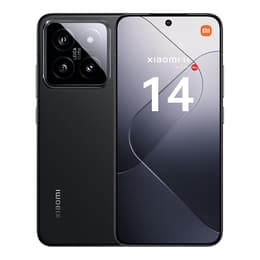
- Ergonomics and physical build: The Xiaomi 14 features a lighter, more compact chassis that rests easily in pockets and smaller hands, while the Google Pixel 8 Pro adopts a larger form factor with a distinctive rear camera bar design.
Weight
213 g
188 g
Screen size (in)
6.7
6.36
Network
5G
5G
SIM card
Physical SIM + eSIM
Dual Physical SIM
Carrier compatibility
Unlocked
Unlocked
What the community thinks
User community discussions reveal that owners appreciate the Google Pixel 8 Pro for its clean software interface, advanced photo editing capabilities, and exceptional update longevity. Common feedback points for the Pixel occasionally mention its larger physical footprint and weight. Conversely, users frequently praise the Xiaomi 14 for its comfortable one-handed ergonomics, rapid charging capabilities, and robust performance speeds, while noting that its regional software interface carries a steeper learning curve for users accustomed to stock Android layouts. Choosing a quality-assured refurbished option from Back Market provides a sustainable path to acquiring these devices while reducing electronic waste.
Users who prioritize a larger viewing workspace, extended software support, and advanced zoom photography will find the Google Pixel 8 Pro well-suited to their needs. Meanwhile, users who prefer a compact physical design, rapid charging speeds, and a lightweight frame may lean toward the Xiaomi 14. Evaluating personal preferences regarding screen size, software philosophy, and daily handling will guide an appropriate selection between these two capable devices.