

Compare models
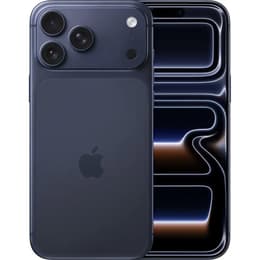
Google Pixel 7A Vs iPhone 17 Pro Max
- 1-year minimum warranty
- Free delivery on all orders
- Free 30-day returns
Differences at a glance
The Google Pixel 7a (2023) and the iPhone 17 Pro Max (2025) occupy entirely different tiers in the smartphone landscape, representing a mid-range Android experience and a top-tier flagship iOS ecosystem, respectively. While they serve vastly different market segments and launch years, comparing them highlights how hardware capabilities and user priorities diverge. The Google Pixel 7a runs on the Android operating system, whereas the iPhone 17 Pro Max operates on Apple's iOS platform, providing distinct software environments and user interfaces.
Available Models
Colour
Storage
Scores
Durability
Evaluating the durability and lifespan of these two devices reveals differences driven by their release timelines, construction materials, and software support frameworks.
- Release timeline and software support: The iPhone 17 Pro Max benefits from a newer launch date and extended update windows typical of modern Apple hardware, while the Pixel 7a relies on Google's established multi-year update commitment. For users seeking an eco-friendly approach, choosing a quality-assured refurbished option extends device lifecycles and reduces electronic waste.
- Build materials and physical resilience: The iPhone 17 Pro Max incorporates advanced ceramic shielding on both front and back surfaces alongside a sturdy metal frame, whereas the Pixel 7a utilizes a durable plastic back paired with an aluminum frame and glass front, with both offering standard water and dust resistance ratings for everyday protection.
Year of Release
2023
2025
Compatible with latest Update
Yes
Yes
OS
Android
iOS
Foldable
No
No
Performance
Performance and day-to-day responsiveness vary significantly based on internal hardware allocations, memory capacities, and thermal management.
- Processing capabilities and multitasking: The iPhone 17 Pro Max handles demanding applications, high-end mobile gaming, and complex background tasks with exceptional speed and thermal efficiency, while the Pixel 7a smoothly manages everyday browsing, streaming, and moderate multitasking for standard daily requirements.
- Storage configurations and battery behavior: The iPhone 17 Pro Max provides extensive storage tiers and large battery capacity designed for extended heavy-use cycles, whereas the Pixel 7a features a standardized storage capacity and a moderately sized battery that supports typical daily routines before requiring a charge.
Screen quality
Display characteristics shape the primary interaction point for media consumption, navigation, and reading.
- Display technology and refresh rates: The iPhone 17 Pro Max features a large OLED panel equipped with adaptive high refresh rate technology for fluid scrolling, whereas the Pixel 7a utilizes a compact OLED screen with a fixed high refresh rate option for smooth visual transitions.
- Brightness and outdoor visibility: The iPhone 17 Pro Max achieves very high peak luminance levels for clear legibility under direct sunlight, while the Pixel 7a offers adequate outdoor brightness levels for standard daylight visibility.
Resolution
1080 x 2400
2868x1320
Screen type
OLED
Super Retina XDR
Audiovisual
Multimedia capabilities and optical hardware configurations cater to different photography and audio preferences.
- Camera system versatility: The iPhone 17 Pro Max equips a versatile multi-lens array with high-resolution sensors across main, ultra-wide, and telephoto positions for advanced optical zoom, whereas the Pixel 7a employs a dual-camera setup that relies on computational photography to deliver sharp everyday images and balanced low-light shots.
- Audio and video output: The iPhone 17 Pro Max supports professional-grade video recording formats and robust stereo speaker output, while the Pixel 7a provides clear stereo sound reproduction and reliable video capture for casual sharing and video calls.
Main camera
64 megapixels
48 megapixels
Front camera
13 megapixels
18 megapixels
Miscellaneous
Practical everyday features, connectivity standards, and physical handling characteristics define how each device integrates into daily routines.
- Connectivity and ports: Both devices support modern 5G networks, advanced Wi-Fi standards, and Bluetooth connectivity, with the iPhone 17 Pro Max utilizing a USB-C port alongside dual eSIM capabilities depending on the region, and the Pixel 7a featuring a USB-C port with physical nano-SIM and eSIM support.
- Dimensions and handling: The iPhone 17 Pro Max presents a heavier, larger footprint suited for expansive viewing, whereas the Pixel 7a offers a lighter, more compact form factor that is easier to manage with one hand.
Weight
193 g
233 g
Screen size (in)
6.1
6.9
Network
5G
5G
SIM card
Physical SIM + eSIM
eSIM
Carrier compatibility
Unlocked
Unlocked
Connector
USB-C
USB-C
What the community thinks
User feedback from online communities highlights distinct patterns of praise and criticism for both devices. Owners of the Google Pixel 7a frequently praise its clean software interface, reliable point-and-shoot camera capabilities, and manageable physical size, though some note that heavy gaming can cause warmth and battery drain. Conversely, users of the iPhone 17 Pro Max heavily praise its exceptional screen real estate, long-lasting battery endurance, and powerful processing speeds, while some point out its heavier weight and large physical dimensions as minor inconveniences for pocket storage.
Users prioritizing a compact form factor, straightforward daily usability, and a streamlined software experience will find the Google Pixel 7a well-suited to their needs. On the other hand, users prioritizing maximum display size, expansive storage options, advanced camera flexibility, and long-term performance headroom will lean toward the iPhone 17 Pro Max. For consumers interested in a sustainable choice, exploring a quality-assured refurbished option provides a practical pathway to acquiring either device while supporting eco-friendly technology consumption.










