

Google Pixel 7 Vs iPhone 16 Pro Max

Google Pixel 7
Google Pixel 7
Starting at

Refurbished price:160.00

Versus €756.00 new

See options
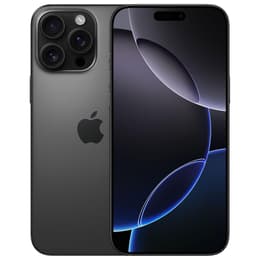
iPhone 16 Pro Max
iPhone 16 Pro Max
Starting at

Refurbished price:812.00

Versus €1,489.00 new

See options

Ratings

The Google Pixel 7, released in October 2022, and the anticipated iPhone 16 Pro Max, expected in September 2024, represent distinct approaches to high-end smartphone design and functionality. While the Pixel 7 offers a streamlined Android experience with a focus on computational photography, the iPhone 16 Pro Max is poised to deliver Apple's latest advancements in performance, display technology, and an expansive camera system. Both devices operate on their respective flagship operating systems, Android and iOS, offering different ecosystems and user interfaces.

Scores

Durability

When considering the long-term usability of these devices, their release timelines and software support policies are key factors.

  • Software Longevity: The Google Pixel 7, launched in late 2022, is guaranteed to receive five years of OS and security updates, extending its support until Android 18 and security patches until October 2027. The iPhone 16 Pro Max, as a newer device from 2024, is expected to receive major iOS updates for approximately five to seven years, with security support often extending beyond that, offering a potentially longer period of feature updates.
  • Physical Durability: Both devices feature robust builds with IP68 ratings for dust and water resistance. The Pixel 7 incorporates Gorilla Glass Victus on its front and back with an aluminum frame. The iPhone 16 Pro Max is expected to feature a titanium frame and Ceramic Shield front, building on the durability of its predecessors.
  • Repairability: The Google Pixel 7 generally holds a moderate repairability score, with screen replacements being relatively straightforward, though battery removal can be more involved due to strong adhesives. The iPhone 15 Pro Max, a precursor to the 16 Pro Max, initially received a lower repairability score but saw improvements with Apple's 'Repair Assistant' program, which aids in calibrating parts.

Year of Release

2022

2024

Compatible with latest Update

Yes

Yes

Foldable

No

No

Performance

The performance of a smartphone is crucial for daily tasks, from app usage to demanding multimedia. These two devices offer different experiences powered by their respective hardware and software optimizations.

  • Processing Power: The Google Pixel 7 is equipped with the Google Tensor G2, which provides a smooth experience for everyday applications, multitasking, and moderate gaming, alongside efficient handling of AI-driven features. The iPhone 16 Pro Max is anticipated to feature Apple's A18 Pro chip, built on an advanced manufacturing process, which is expected to deliver substantial performance enhancements, particularly for intensive tasks like high-fidelity gaming, advanced video editing, and complex AI computations.
  • System Responsiveness: Users of the Pixel 7 report a fluid and responsive Android experience, benefiting from Google's software optimizations. The iPhone 16 Pro Max is expected to offer exceptional system responsiveness and efficiency, ensuring applications launch quickly and transitions are seamless, even under heavy load.
  • Storage and Memory: The Pixel 7 comes with 8GB of RAM and storage options of 128GB or 256GB. The iPhone 16 Pro Max is expected to offer 8GB of RAM with more generous storage configurations, starting from 256GB and potentially extending up to 2TB, catering to users with extensive storage needs for media and applications.

Memory (GB)

8 GB

8 GB

Screen quality

The display is a primary interface for smartphone interaction, and both devices offer high-quality viewing experiences with distinct characteristics.

  • Display Technology and Clarity: The Google Pixel 7 features a 6.3-inch OLED display with a resolution of 1080 x 2400 pixels, providing deep blacks and vibrant colors suitable for media consumption and daily use. The iPhone 16 Pro Max is expected to boast a larger 6.9-inch Super Retina XDR OLED display with a higher resolution of 2868 x 1320 pixels, resulting in a sharper and more expansive viewing area.
  • Brightness and Refresh Rate: The Pixel 7's display offers a 90Hz refresh rate for smooth scrolling and animations, with a peak brightness of up to 1400 nits, ensuring good visibility in various lighting conditions. The iPhone 16 Pro Max is anticipated to feature a 120Hz ProMotion adaptive refresh rate for exceptionally fluid visuals and is expected to reach higher peak brightness levels, enhancing outdoor readability and HDR content viewing.
  • Design and Viewing Experience: The Pixel 7 has a flat display with a balanced screen-to-body ratio. The iPhone 16 Pro Max is expected to feature significantly thinner bezels, maximizing the screen real estate and offering a more immersive viewing experience.

Resolution

1080 x 2400

1320 x 2868

Screen type

AMOLED

LTPO Super Retina XDR OLED

Audiovisual

Both smartphones are designed to capture high-quality images and videos, though they approach photography with different hardware and software philosophies.

  • Rear Camera Systems: The Google Pixel 7 features a dual-camera setup, including a 50MP main sensor with optical image stabilization and a 12MP ultrawide lens. It is highly praised for its computational photography, delivering excellent detail and color accuracy, particularly in low-light conditions. The iPhone 16 Pro Max is expected to come with a more versatile triple-camera system, including an upgraded 48MP main sensor, a 48MP ultrawide camera, and a 12MP telephoto lens with 5x optical zoom, offering greater flexibility for different photographic scenarios.
  • Photography Features: The Pixel 7 excels in point-and-shoot photography, with features like Night Sight and Super Res Zoom (up to 8x digital zoom) enhancing image quality without a dedicated telephoto lens. The iPhone 16 Pro Max is anticipated to offer advanced features such as a Tetraprism zoom system for extended optical reach, improved low-light performance across all lenses, and capabilities for spatial video recording.
  • Video and Audio: The Pixel 7 supports video recording up to 4K at 60 frames per second, with improved stabilization. The iPhone 16 Pro Max is expected to offer advanced video capabilities, including 4K Dolby Vision HDR recording, ProRes video, and Cinematic mode, alongside enhanced microphone quality for clear audio capture.

Main camera

50 megapixels

48 megapixels

Front camera

10.8 megapixels

12 megapixels

Miscellaneous

Beyond core specifications, several practical elements contribute to the overall user experience and daily convenience of a smartphone.

  • Connectivity and Ports: The Google Pixel 7 supports 5G connectivity, Wi-Fi 6E, and Bluetooth 5.2, providing modern wireless communication standards. It features a USB-C 3.2 port for charging and data transfer. The iPhone 16 Pro Max is expected to support 5G, the newer Wi-Fi 7 standard, and a recent Bluetooth version, offering potentially faster and more reliable wireless connections. It will also feature a USB-C port, aligning with current industry standards.
  • Biometric Security: The Pixel 7 offers both an under-display optical fingerprint sensor and face unlock for secure access. The iPhone 16 Pro Max relies on Apple's Face ID system for secure facial recognition.
  • Physical Design and Handling: The Pixel 7 is a more compact device, weighing 197 grams and measuring 155.6 x 73.2 x 8.7 mm, making it comfortable for one-handed use. The iPhone 16 Pro Max is a larger and heavier device, expected to weigh around 227 grams with dimensions of 163 x 77.6 x 8.25 mm, offering a more substantial feel and a larger screen for content consumption.

Weight

197 g

227 g

Screen size (in)

6.3

6.9

Network

5G

5G

SIM card

Physical SIM + eSIM

eSIM

Carrier compatibility

Unlocked

Unlocked

The Google Pixel 7 and the iPhone 16 Pro Max cater to different user preferences, reflecting their respective ecosystems and design philosophies. Users often praise the Pixel 7 for its exceptional camera performance, particularly its computational photography capabilities that deliver impressive results in various conditions, and its clean Android experience. Some common criticisms for the Pixel 7 have included its battery life, which, while generally sufficient for a day, may require more frequent charging for heavy users. The iPhone 16 Pro Max, building on its predecessors, is frequently lauded for its powerful processing capabilities, premium build quality, and a comprehensive camera system that offers both versatility and high image fidelity. User feedback on previous Pro Max models often highlights their substantial size and weight, which can be a consideration for those preferring a more compact device.

Users prioritizing a highly intuitive and integrated ecosystem with robust performance for demanding applications and advanced video capabilities may find the iPhone 16 Pro Max well-suited to their needs. Its larger display and expected longer software support also appeal to those seeking a device for extensive media consumption and long-term use. Conversely, users who value a more compact form factor, a pure Android experience with timely updates, and a camera that excels in computational photography without needing a telephoto lens, may lean towards the Google Pixel 7. Both devices offer compelling features, and choosing between them often comes down to individual priorities regarding operating system preference, camera versatility, and device size. For those considering either device, exploring quality-assured refurbished options can provide an eco-friendly alternative.


See all articles

Our recent comparisons