

Compare models
Galaxy Z Fold7 Vs Google Pixel 8a
- 1-year minimum warranty
- Free delivery on all orders
- Free 30-day returns
Differences at a glance
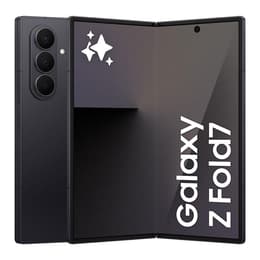
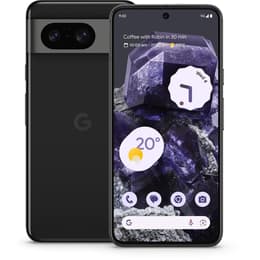
The Samsung Galaxy Z Fold7 (2025) and Google Pixel 8a (2024) represent two entirely different approaches to modern smartphone design, contrasting a book-style foldable flagship with a mainstream bar-form mid-range device. While the Galaxy Z Fold7 provides an expansive dual-screen workspace running Android, the Pixel 8a offers a compact, traditional pocket format powered by Google's custom software ecosystem. Selecting between them depends on whether physical form factor versatility or streamlined everyday simplicity takes priority.
Available Models
Colour
Storage
Scores
Durability
Device longevity depends heavily on release schedules, build complexity, and official software maintenance commitments.
- Software Support: The Galaxy Z Fold7 features a modern release timeline with extended major operating system upgrades, whereas the Pixel 8a provides Google's multi-year update guarantee for security and platform features.
- Hardware Durability: The Pixel 8a utilizes a rigid bar construction with fewer moving parts, while the Galaxy Z Fold7 incorporates a complex folding hinge mechanism that requires careful handling over years of daily use.
- Expected Lifespan: Both devices maintain strong operational health throughout a standard multi-year ownership cycle, though bar-form devices generally face fewer mechanical wear points than foldable alternatives.
Year of Release
2025
2024
Compatible with latest Update
Yes
Yes
OS
Android
Android
Foldable
Yes
No
Performance
Daily responsiveness and multitasking capabilities vary significantly based on internal hardware tiers and thermal design.
- Processor Capability: The Galaxy Z Fold7 handles demanding apps, intensive gaming, and heavy multitasking smoothly thanks to its current-generation flagship processor, while the Pixel 8a manages routine web browsing, messaging, and moderate applications reliably with its specialized mid-range processor.
- Memory and Storage: Generous base memory configurations on the Galaxy Z Fold7 support simultaneous multi-window workflows, whereas the Pixel 8a balances everyday efficiency with standard storage and memory tiers suited for standard single-app usage.
- Battery Behavior: The Pixel 8a delivers reliable power for a typical day of standard tasks, while the Galaxy Z Fold7's larger folding display demands more energy during extensive tablet-mode usage, resulting in varied endurance profiles.
Screen quality
Visual experiences differ drastically due to screen dimensions, panel technology, and physical layout.
- Display Technology: The Galaxy Z Fold7 features a foldable AMOLED main screen paired with an outer cover display, offering expansive tablet-scale viewing, while the Pixel 8a uses a traditional, bright OLED panel with smooth refresh rates.
- Outdoor Visibility: Both models achieve high peak brightness levels to maintain clear legibility under direct sunlight, though larger foldable surfaces can occasionally catch more ambient reflections.
- Refresh Rate: Fluid scrolling and responsive touch interactions are standard on both devices, enhancing the user experience during web navigation and interface gestures.
Resolution
1968x2184
1080 x 2400
Audiovisual
Imaging hardware and media consumption capabilities cater to different photography styles and multimedia preferences.
- Camera Systems: The Galaxy Z Fold7 utilizes a versatile multi-lens rear setup including a high-resolution primary sensor, whereas the Pixel 8a relies on Google's computational photography software paired with a dual-lens configuration to process everyday photos.
- Video and Low Light: Both handsets capture detailed video clips and balanced low-light imagery, with software algorithms helping to reduce visual noise in dimly lit environments.
- Media Output: Stereo speaker setups on both devices provide clear audio for casual video watching and hands-free calls, though the larger acoustic chamber of the folded device alters the soundstage depth.
Miscellaneous
Physical dimensions and connectivity standards shape how each phone integrates into daily routines and travel.
- Build and Handling: The Pixel 8a provides a lightweight, pocket-friendly bar footprint, whereas the Galaxy Z Fold7 folds into a relatively narrow profile but opens into a wider, heavier tablet form factor.
- Connectivity: Both models support modern 5G cellular networks, Wi-Fi standards, and Bluetooth pairing for reliable wireless accessories.
- Authentication: Secure unlocking is handled via responsive biometric sensors integrated into the physical layout of each device.
Weight
215 g
188 g
Screen size (in)
8.0
6.1
Network
5G
5G
SIM card
Dual Physical SIM + eSIM
Physical SIM + eSIM
Carrier compatibility
Unlocked
Unlocked
What the community thinks
Community discussions on platforms like Reddit highlight distinct user preferences for each device. Owners of the Galaxy Z Fold7 frequently praise the productivity benefits of the large unfolding workspace and modern processing speeds, while noting that the higher weight and mechanical hinge require deliberate care. Conversely, Pixel 8a users often commend the straightforward pocketability, reliable snapshot photography, and clean software interface, though some mention that heavy gaming pushes the thermal limits of the mid-range hardware.
Users prioritizing multitasking canvas space, large-screen media consumption, and advanced hardware flexibility will find the Galaxy Z Fold7 well-suited to their needs. Meanwhile, users prioritizing a lightweight pocket footprint, straightforward daily reliability, and simple ergonomics may lean toward the Google Pixel 8a. Choosing a quality-assured refurbished option through Back Market can also provide an eco-friendly alternative for acquiring either model while reducing electronic waste. Ultimately, the decision rests on whether a versatile folding tablet experience or a compact traditional smartphone best fits daily routines.