

Galaxy Z Fold6 Vs iPhone 13 mini

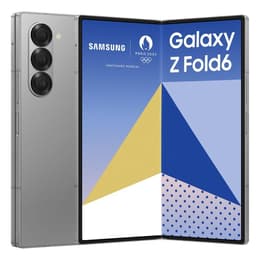
Galaxy Z Fold6
Galaxy Z Fold6
Starting at

Refurbished price:750.00

Versus €1,973.53 new

See options
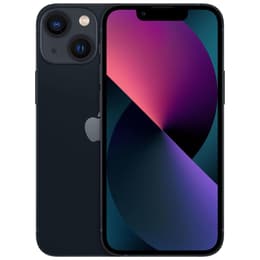
iPhone 13 mini
iPhone 13 mini
Starting at

Refurbished price:228.00

Versus €829.00 new

See options

Ratings

The Samsung Galaxy Z Fold6, released in July 2024, represents a modern approach to mobile technology with its innovative foldable design, offering a large screen experience in a compact form factor. In contrast, the iPhone 13 Mini, launched in September 2021, is a traditional smartphone known for its exceptionally small size and powerful performance. These devices cater to distinct user preferences, with the Z Fold6 running on Android and the iPhone 13 Mini on iOS, presenting fundamental differences in their operating systems and overall user experience.

Scores

Durability

When considering the longevity of these devices, their release timelines and software support are key factors.

  • Software Support: The Galaxy Z Fold6, being a more recent device, is expected to receive up to seven years of Android operating system updates, extending its software lifespan significantly. The iPhone 13 Mini, released earlier, has received updates up to iOS 18 and is compatible with the current iOS 26, with Apple typically providing 5-6 years of major iOS updates from its release.
  • Physical Durability: The iPhone 13 Mini features a Ceramic Shield front cover and an aerospace-grade aluminum frame, contributing to its robust build and IP68 water and dust resistance, allowing submersion up to 6 meters for 30 minutes. Its compact size also inherently makes it less prone to certain types of damage. The Galaxy Z Fold6 incorporates an enhanced Armor Aluminum frame and boasts an IP48 rating for dust and water resistance. While its hinge is rated for 200,000 folds, some reports indicate that dust can still enter the hinge mechanism, potentially causing grinding noises. The inner foldable screen, while improved, is not pure glass and can be susceptible to scratches.
  • Practical Lifespan: Both devices are built to last, with the iPhone 13 Mini's smaller form factor often cited by users as contributing to its perceived durability in everyday drops. The Z Fold6's advanced hinge and overall construction aim for extended use, though the nature of a foldable screen introduces different considerations for long-term wear.

Year of Release

2024

2021

Compatible with latest Update

Yes

Yes

OS

Android

iOS

Foldable

Yes

No

Performance

The performance of both smartphones is designed to handle demanding tasks, though they achieve this with different underlying architectures.

  • Processing Power: The Galaxy Z Fold6 is equipped with a current-generation processor optimized for its ecosystem, providing robust performance for multitasking, demanding applications, and gaming without noticeable lag or stuttering. The iPhone 13 Mini utilizes a powerful chip from its release year, which continues to deliver smooth operation across applications and games, demonstrating strong energy efficiency.
  • Multitasking and Responsiveness: With 12GB of RAM, the Galaxy Z Fold6 excels in managing numerous applications simultaneously, particularly benefiting from its large foldable display for enhanced productivity. The iPhone 13 Mini, with 4GB of RAM, maintains a highly responsive user experience within the iOS environment, efficiently handling typical daily usage and app switching.
  • Storage Options: The Galaxy Z Fold6 offers storage configurations of 256GB, 512GB, and 1TB. The iPhone 13 Mini is available with 128GB, 256GB, or 512GB of internal storage.

Memory (GB)

12 GB

4 GB

Screen quality

The display experience on these two devices is a primary differentiator, owing to their distinct form factors.

  • Display Technology and Size: The Galaxy Z Fold6 features two Dynamic AMOLED 2X displays: a 6.3-inch outer cover screen and a 7.6-inch foldable inner screen. Both offer vibrant colors and deep blacks. The iPhone 13 Mini has a 5.4-inch Super Retina XDR OLED display, providing a sharp and colorful viewing experience in a compact format.
  • Resolution and Clarity: The Z Fold6's outer screen has a resolution of 2376 x 968 pixels, while its inner screen is 2160 x 1856 pixels. The iPhone 13 Mini offers a resolution of 2340 x 1080 pixels, resulting in a high pixel density that ensures clarity on its smaller screen.
  • Brightness and Refresh Rate: Both displays on the Galaxy Z Fold6 feature an adaptive refresh rate of up to 120Hz and a peak brightness of 2600 nits, ensuring smooth scrolling and good visibility in bright conditions. The iPhone 13 Mini has a 60Hz refresh rate, with a typical brightness of 800 nits and a peak of 1200 nits for HDR content, offering good outdoor visibility.

Resolution

1856 x 2160

1080 x 2340

Audiovisual

Both devices offer capable camera systems, though their approaches and capabilities differ, particularly in specialized features.

  • Rear Camera Systems: The Galaxy Z Fold6 features a versatile triple-camera setup on the rear, including a 50MP wide-angle lens, a 12MP ultrawide lens, and a 10MP telephoto lens with 3x optical zoom. The iPhone 13 Mini comes with a dual 12MP rear camera system, comprising a wide-angle lens with sensor-shift optical image stabilization and an ultrawide lens.
  • Photography Performance: The Z Fold6's cameras are noted for capturing good detail and colors in various conditions, with improvements in low-light performance for the ultrawide lens and effective night mode. The iPhone 13 Mini delivers strong photographic results with good color accuracy and detail, particularly excelling in well-lit and improved low-light scenarios compared to its predecessor.
  • Video Capabilities and Front Cameras: Both phones are capable of recording video at 4K resolution at 60 frames per second. The Z Fold6 can also record 8K video at 30fps. The iPhone 13 Mini includes Cinematic Mode for video, offering a shallow depth of field effect. For front-facing photography, the Z Fold6 has a 10MP camera on its cover display and a 4MP under-display camera on the inner screen, while the iPhone 13 Mini features a 12MP front camera.

Front camera

4 megapixels

12 megapixels

Miscellaneous

Beyond core features, several practical elements contribute to the overall user experience of these smartphones.

  • Connectivity and Ports: Both the Galaxy Z Fold6 and the iPhone 13 Mini support 5G networks for faster mobile data speeds. The Z Fold6 utilizes a USB-C port for charging and data transfer. The iPhone 13 Mini continues to use Apple's Lightning port.
  • Biometric Security: The iPhone 13 Mini relies on Face ID for secure facial recognition. The Galaxy Z Fold6 incorporates face recognition and a side-mounted fingerprint sensor for biometric authentication.
  • Physical Characteristics: The Galaxy Z Fold6, when folded, measures approximately 153.5 x 68.1 x 12.1 mm and weighs 239g. When unfolded, it is 153.5 x 132.6 x 5.6 mm. The iPhone 13 Mini is significantly smaller and lighter, with dimensions of 131.5 x 64.2 x 7.7 mm and a weight of 140g, making it highly pocketable and easy for one-handed use.

Weight

239 g

140 g

Screen size (in)

7.6

5.4

Network

5G

5G

SIM card

Physical SIM + eSIM

Physical SIM + eSIM

Carrier compatibility

Unlocked

Unlocked

Connector

USB-C

Lightning

The Galaxy Z Fold6 and iPhone 13 Mini cater to fundamentally different user needs and preferences. The Z Fold6 is often praised for its innovative foldable design, offering the versatility of a large tablet-like screen for productivity and media consumption, alongside a conventional smartphone experience. Users appreciate its powerful performance, bright displays, and long software support. However, some common concerns include its bulk when folded and the ongoing durability considerations of the foldable screen and hinge, particularly regarding dust ingress. The camera system, while competent, is sometimes noted as not reaching the absolute pinnacle of non-foldable flagship phones.

The iPhone 13 Mini is lauded for its compact size, making it an ideal choice for users who prioritize one-handed usability and a device that easily fits into smaller pockets. Its performance remains strong, and its camera system delivers high-quality photos and videos for most users. Criticisms often revolve around its smaller battery capacity compared to larger phones, which may require more frequent charging for heavy users, and the 60Hz refresh rate of its display, which some find less fluid than higher refresh rate screens.

Users prioritizing a large, adaptable screen for multitasking and a cutting-edge foldable experience may find the Galaxy Z Fold6 well-suited to their needs. Conversely, those who value a highly portable, powerful, and easy-to-handle smartphone with a robust camera system will likely prefer the iPhone 13 Mini. Both devices offer distinct advantages, and considering a quality-assured refurbished option for either model can be an eco-friendly alternative for consumers.


See all articles

Our recent comparisons