

Galaxy Z Fold6 Vs Google Pixel 7A

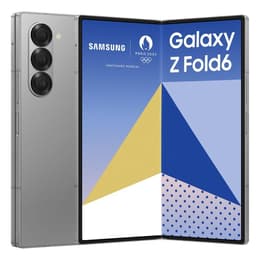
Galaxy Z Fold6
Galaxy Z Fold6
Starting at

Refurbished price:750.00

Versus €1,973.53 new

See options
Google Pixel 7A
Google Pixel 7A
Starting at

Refurbished price:172.00

Versus €649.99 new

See options

Ratings

The Samsung Galaxy Z Fold6 (released July 2024) and the Google Pixel 7A (released May 2023) represent distinct approaches to smartphone design and functionality. The Z Fold6 is a premium foldable device, offering a large, expansive screen experience, while the Pixel 7A is a traditional slab smartphone known for its camera capabilities and streamlined software. These differences cater to users with varied priorities, from those seeking a versatile, tablet-like experience to those who prefer a compact, photography-focused device.

Scores

Durability

The longevity of a smartphone is influenced by its build quality, software support, and the inherent durability of its components. Both devices offer robust construction for their respective categories, but their designs present different considerations for long-term use.

  • Software Support: The Galaxy Z Fold6, being a newer flagship, is promised 7 years of OS upgrades and security updates, extending its functional lifespan significantly. The Pixel 7A, released earlier, is expected to receive 5 years of major OS upgrades and security updates.
  • Physical Durability: The Galaxy Z Fold6 features Corning Gorilla Glass Victus 2 on its cover screen and back panel, and an enhanced Armor Aluminum frame, with an IP48 rating for dust and water resistance. The Pixel 7A utilizes Corning Gorilla Glass 3 for its display and has an IP67 rating for dust and water resistance. While the Z Fold6's foldable inner screen uses ultra-thin flexible glass, it is still more susceptible to scratches than traditional glass displays.
  • Practical Lifespan: Users report that the Z Fold6's hinge mechanism is rated for 200,000 folds, suggesting a long mechanical life, though dust ingress can be a concern. The Pixel 7A has demonstrated strong structural rigidity in durability tests, holding up well against bending.

Year of Release

2024

2023

Compatible with latest Update

Yes

Yes

OS

Android

Android

Foldable

Yes

No

Performance

Performance in a smartphone is about how smoothly it handles daily tasks, demanding applications, and multitasking. The core components of both devices are designed for different tiers of usage, impacting their overall responsiveness.

  • Processing Power: The Galaxy Z Fold6 is equipped with a current-generation flagship processor, providing substantial power for intensive applications, complex multitasking, and high-fidelity gaming. The Pixel 7A features a processor designed for efficient performance in its category, handling everyday apps and general usage smoothly.
  • Multitasking and Storage: The Z Fold6 comes with 12GB of RAM and offers storage options up to 1TB, facilitating seamless switching between numerous applications and ample space for large files. The Pixel 7A includes 8GB of RAM and 128GB of internal storage, which is suitable for typical smartphone use and a moderate number of applications.
  • Battery Behavior: The Galaxy Z Fold6 has a 4,400 mAh battery, designed to power its dual displays and high-performance components. The Pixel 7A features a 4,385 mAh battery, providing reliable power for its more compact form factor and display.

Memory (GB)

12 GB

8 GB

Screen quality

The display is a primary interface for any smartphone, and both the Galaxy Z Fold6 and Pixel 7A offer distinct visual experiences tailored to their form factors.

  • Display Technology and Size: The Galaxy Z Fold6 features two Dynamic AMOLED 2X displays: a 6.3-inch cover screen and a 7.6-inch main foldable screen. This allows for a traditional smartphone experience when folded and an expansive tablet-like view when unfolded. The Pixel 7A has a single 6.1-inch OLED display.
  • Resolution and Brightness: The Z Fold6's cover display has a resolution of 2376 x 968 pixels, and its main display is 2160 x 1856 pixels, both offering up to 2,600 nits peak brightness for excellent visibility in various lighting conditions. The Pixel 7A features a 1080p FHD+ resolution (2400 x 1080 pixels) and a 90Hz refresh rate, providing clear visuals and smooth scrolling.
  • Refresh Rate and Viewing Experience: Both displays on the Z Fold6 offer an adaptive 120Hz refresh rate, ensuring fluid animations and responsive interactions. The Pixel 7A's 90Hz refresh rate also contributes to a smooth user experience, particularly noticeable during scrolling and gaming.

Resolution

1856 x 2160

1080 x 2400

Audiovisual

Camera performance is a significant consideration for many users, and both devices approach photography with different hardware and software philosophies.

  • Rear Camera System: The Galaxy Z Fold6 features a triple rear camera setup, including a 50MP wide-angle lens, a 12MP ultra-wide lens, and a 10MP telephoto lens with 3x optical zoom. The Pixel 7A has a dual rear camera system with a 64MP main camera and a 13MP ultrawide camera.
  • Photography Performance: The Z Fold6's camera system is versatile, offering features like Super HDR and Nightography for various lighting conditions, and AI-based image processing. The Pixel 7A is known for its computational photography, delivering excellent image quality, especially with its 64MP main sensor and improved low-light capabilities.
  • Video Recording and Front Cameras: The Z Fold6 can record 8K video at 30fps from its primary camera and 4K 60fps from all cameras except the inner display selfie camera. It has a 10MP front-facing camera on the cover screen and a 4MP under-display camera on the main screen. The Pixel 7A supports 4K video recording at 30/60fps from its main camera and 4K 30fps from its ultrawide and 13MP front-facing camera.

Front camera

4 megapixels

13 megapixels

Miscellaneous

Beyond the core features, several practical elements contribute to the overall user experience and daily usability of a smartphone.

  • Connectivity and Ports: Both devices support 5G connectivity, Wi-Fi 6E, and Bluetooth 5.3. The Galaxy Z Fold6 includes a USB-C 3.2 port for charging and data transfer. The Pixel 7A also features a USB-C 3.2 port.
  • Biometrics and Sensors: The Galaxy Z Fold6 incorporates a side-mounted fingerprint sensor integrated into the power button, along with face recognition. The Pixel 7A features an under-display optical fingerprint scanner and supports face unlock.
  • Design and Handling: The Z Fold6 has a folded dimension of 153.5 mm H x 68.1 mm W x 12.1 mm D and weighs 239g, offering a more compact form when closed and an expansive screen when open. The Pixel 7A measures 152 mm H x 72.9 mm W x 9 mm D and weighs 193.5g, providing a traditional, lighter, and more pocketable design.

Weight

239 g

193 g

Screen size (in)

7.6

6.1

Network

5G

5G

SIM card

Physical SIM + eSIM

Physical SIM + eSIM

Carrier compatibility

Unlocked

Unlocked

The Samsung Galaxy Z Fold6 and Google Pixel 7A cater to distinct user needs, reflecting their different design philosophies and price points. The Z Fold6 is often praised for its innovative foldable form factor, offering the utility of a large tablet screen in a portable device, which users find beneficial for productivity and media consumption. Its powerful internal components and extensive software support are frequently highlighted as strong points. However, some users express concerns about the long-term durability of the inner foldable screen and the overall bulk compared to traditional smartphones. The Pixel 7A, on the other hand, receives consistent acclaim for its exceptional camera performance, often rivaling more expensive devices, and its clean, user-friendly Android experience with timely updates. Its compact size and robust build for a non-foldable phone are also frequently mentioned positively. Criticisms sometimes point to its slightly older processor compared to current flagships and the absence of a telephoto lens.

Users prioritizing a versatile device that can transform from a standard smartphone to a large-screen tablet for multitasking, content creation, or immersive media viewing may find the Galaxy Z Fold6 well-suited to their needs. Its advanced display technology and high-end performance are ideal for those who push their devices to the limit. Conversely, individuals who value a straightforward, reliable smartphone with a focus on photography, a clean software experience, and a more traditional, pocket-friendly design will likely prefer the Google Pixel 7A. It's an excellent choice for capturing high-quality photos and enjoying a smooth daily experience without the complexities of a foldable form factor. Both devices are available as quality-assured refurbished options, providing an eco-friendly alternative for consumers.


See all articles

Our recent comparisons