

Compare models

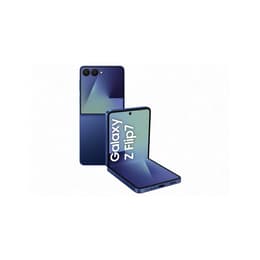
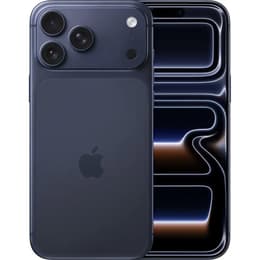
Galaxy Z Flip7 Vs iPhone 17 Pro Max

  • 1-year minimum warranty
  • Free delivery on all orders
  • Free 30-day returns
Galaxy Z Flip7
Starting at

Refurbished price:€545.00

Versus €1,328.48 new

See options
iPhone 17 Pro Max
Starting at

Refurbished price:€1,054.00

Versus €1,489.00 new

See options

Differences at a glance

The Samsung Galaxy Z Flip7 (2025) and the Apple iPhone 17 Pro Max (2025) represent two distinct approaches to modern smartphone design, contrasting a pocket-friendly foldable clamshell form factor with a traditional, large-screen flagship slate. While both devices serve demanding daily communication and entertainment needs, they differ fundamentally in hardware execution, operating systems, and physical design. The Galaxy Z Flip7 operates on Android with customized folding features, whereas the iPhone 17 Pro Max runs iOS on a rigid, expansive display. These structural differences create distinct user experiences tailored to different handling and software preferences.

Available Models

Colour

Storage

Scores

Durability

Both smartphones provide robust long-term utility, though their physical architectures and software update frameworks introduce unique durability profiles.

  • Software Support and Longevity: The iPhone 17 Pro Max benefits from Apple's extended iOS update schedule, ensuring consistent security and feature enhancements over many years. The Galaxy Z Flip7 offers multi-year Android and security upgrades, though foldable hinge mechanisms require standard mindful handling over extended ownership periods.
  • Repairability and Build Quality: Both manufacturers utilize reinforced exterior materials like advanced glass and sturdy frame alloys to resist daily wear. Choosing a quality-assured refurbished option from Back Market allows consumers to access these durable devices as part of an eco-friendly alternative that extends consumer electronics lifecycles.

Year of Release

2025

2025

Compatible with latest Update

Yes

Yes

OS

Android

iOS

Foldable

Yes

No

Performance

System responsiveness and everyday processing capabilities across both devices ensure smooth multitasking and seamless execution of demanding mobile applications.

  • Multitasking and App Loading: Generous memory configurations on both models allow users to switch rapidly between resource-heavy applications, navigation tools, and media streaming without stutter.
  • Battery Behavior: The iPhone 17 Pro Max maintains extended battery performance suited for heavy daily use, while the Galaxy Z Flip7 balances a compact folding frame with efficient power management to navigate standard daily schedules comfortably.
  • Storage Capacity: Both devices offer ample internal storage tiers starting at baseline capacities that comfortably accommodate large photo libraries, offline media, and productivity documents.

Screen quality

Visual output differs notably due to the contrasting physical display setups implemented by each manufacturer.

  • Display Technology: The iPhone 17 Pro Max utilizes a large, rigid OLED panel with deep contrast and high peak brightness levels for clear outdoor visibility. The Galaxy Z Flip7 features a foldable internal screen paired with an expanded exterior cover display that lets users check notifications and run widgets without opening the device.
  • Refresh Rate and Smoothness: Both devices incorporate adaptive high refresh rate technology, delivering fluid scrolling animations and responsive touch interactions during gaming and web browsing.

Resolution

1080x2520

2868x1320

Audiovisual

Photography and media recording hardware on both models cater to everyday creators and casual shooters alike.

  • Lens Configurations: The iPhone 17 Pro Max equips a versatile multi-lens rear array featuring high-resolution sensors for detailed wide, ultra-wide, and telephoto photography. The Galaxy Z Flip7 relies on a dual-camera primary setup that benefits from unique folding angles, allowing users to prop the phone up independently for stable hands-free framing and video calls.
  • Video and Audio Output: Both smartphones capture crisp video in various lighting conditions, supported by clear stereo speaker arrays that deliver immersive audio during media playback.

Front camera

10 megapixels

18 megapixels

Miscellaneous

Physical dimensions and connectivity standards highlight the practical trade-offs between a pocketable folding device and a traditional large-screen smartphone.

  • Form Factor and Handling: The Galaxy Z Flip7 folds compactly into a square profile that fits easily into small pockets, whereas the iPhone 17 Pro Max offers a wider, rigid footprint optimized for two-handed media consumption.
  • Connectivity and Security: Both models support rapid 5G cellular networks, advanced Wi-Fi standards, and secure biometric authentication through facial recognition or fingerprint scanning.

Weight

188 g

233 g

Screen size (in)

6.9

6.9

Network

5G

5G

SIM card

Physical SIM + eSIM

eSIM

Carrier compatibility

Unlocked

Unlocked

Connector

USB-C

USB-C

What the community thinks

User feedback from online communities highlights distinct praise and common considerations for each device. Owners of the Galaxy Z Flip7 frequently commend its space-saving pocket footprint and the practical utility of the outer cover screen for quick tasks. At the same time, some discussions note that foldable hinges require careful physical handling compared to traditional glass slabs. Conversely, iPhone 17 Pro Max users consistently praise its dependable battery longevity, expansive screen workspace, and reliable camera versatility, though some find its large physical dimensions less comfortable for one-handed pocket carry.

Users prioritizing compact pocketability, innovative folding angles, and customisable Android software may prefer the Galaxy Z Flip7, while users prioritizing maximum screen workspace, comprehensive battery endurance, and integrated iOS ecosystems will lean toward the iPhone 17 Pro Max. Exploring quality-assured refurbished options on Back Market provides an eco-friendly alternative for acquiring either model while supporting sustainable technology choices.


Our recent comparisons






