

Galaxy Z Flip3 5G Vs Google Pixel 7 Pro

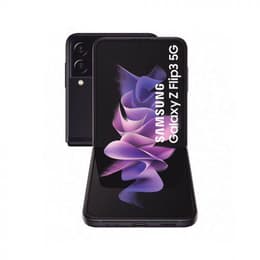
Galaxy Z Flip3 5G
Galaxy Z Flip3 5G
Starting at

Refurbished price:290.88

Versus €1,299.00 new

See options
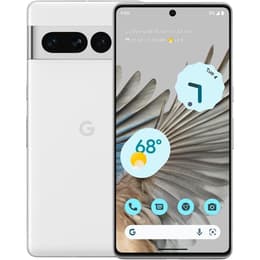
Google Pixel 7 Pro
Google Pixel 7 Pro
Starting at

Refurbished price:201.00

Versus €640.98 new

See options

Ratings

The Samsung Galaxy Z Flip3 5G, released in August 2021, and the Google Pixel 7 Pro, launched in October 2022, represent distinct approaches to modern smartphone design and functionality. The Z Flip3 offers a unique foldable clamshell form factor, prioritizing portability and a compact experience when closed. In contrast, the Pixel 7 Pro adheres to a traditional slab design, focusing on a premium, expansive display and advanced computational photography. Both devices operate on the Android ecosystem, providing access to a wide range of applications and services, but they cater to different user preferences through their core design philosophies and feature sets.

Scores

Durability

When considering the long-term usability of these devices, their release timelines and software support policies are key factors.

  • Release and Software Support: The Galaxy Z Flip3 5G, released in August 2021, initially launched with Android 11 and has received four major Android updates, reaching Android 15 and One UI 7. Its security updates are expected to continue on a quarterly basis until September 2025. The Google Pixel 7 Pro, released in October 2022 with Android 13, benefits from a longer support window, guaranteeing five years of OS and security updates from its release date, extending to Android 17 or 18 for OS updates and security updates until October 2027.
  • Physical Durability: The Z Flip3 features an IPX8 water resistance rating, meaning it can withstand submersion in water, but it lacks official dust resistance due to its folding mechanism. Its main display is protected by a specialized film, and the device uses an Armor Aluminum frame and Gorilla Glass Victus on the back. The Pixel 7 Pro offers IP68 dust and water resistance, providing comprehensive protection against both elements, and is constructed with Gorilla Glass Victus on both its front and back.
  • Practical Lifespan: Users prioritizing the latest software features and security patches for the longest duration may find the Pixel 7 Pro's extended update commitment more appealing. The Z Flip3's unique foldable design, while offering a compact form, introduces considerations regarding the longevity of the folding screen and hinge mechanism over extended use.

Year of Release

2021

2022

Compatible with latest Update

Yes

Yes

OS

Android

Android

Foldable

Yes

No

Performance

The performance of both smartphones is influenced by their internal components and how they handle daily tasks and demanding applications.

  • System Responsiveness: The Galaxy Z Flip3 5G is equipped with a processor that delivers flagship-level application performance, ensuring smooth operation for everyday tasks and responsive app loading. The Pixel 7 Pro, featuring its own custom-designed processor, also provides a fluid Android experience with strong overall system responsiveness, handling multitasking and demanding applications effectively.
  • Multitasking and Storage: The Z Flip3 comes with 8GB of RAM and offers storage options of 128GB or 256GB, which is suitable for most users' app and data needs. The Pixel 7 Pro offers more flexibility with 8GB or 12GB of RAM and storage configurations up to 512GB, providing additional headroom for extensive multitasking and larger media libraries.
  • Battery Behavior: The Z Flip3 has a smaller battery capacity, which user reports indicate often results in shorter battery life, sometimes requiring a charge before the end of a full day of heavy use. The Pixel 7 Pro, with its larger battery, generally offers better endurance, often lasting a full day or more under typical usage, though some users note variability depending on usage patterns and network conditions.

Memory (GB)

8 GB

12 GB

Screen quality

The display experience on these two devices differs significantly due to their form factors and panel technologies.

  • Display Technology and Size: The Galaxy Z Flip3 features a 6.7-inch Foldable Dynamic AMOLED 2X main display when unfolded, offering vibrant colors and deep blacks. It also includes a 1.9-inch Super AMOLED cover display for quick interactions when closed. The Pixel 7 Pro boasts a 6.7-inch LTPO AMOLED display, providing a large, immersive viewing area in a traditional smartphone form.
  • Resolution and Clarity: The Z Flip3's main display has a resolution of 1080 x 2640 pixels, delivering clear visuals for most content. The Pixel 7 Pro offers a higher resolution of 1440 x 3120 pixels, resulting in a sharper and more detailed image, particularly noticeable with high-resolution media.
  • Brightness and Refresh Rate: Both devices feature a 120Hz refresh rate on their main displays, contributing to smooth scrolling and fluid animations. The Pixel 7 Pro's display can achieve higher peak brightness levels, which can improve visibility in bright outdoor conditions. The Z Flip3's display is also capable of high brightness, but the Pixel 7 Pro generally offers a brighter experience.

Resolution

1080 x 2640

1440 x 3120

Screen type

Foldable Dynamic AMOLED 2X

LTPO AMOLED

Audiovisual

Both smartphones offer capable camera systems, but with different strengths and features tailored to their respective designs.

  • Rear Camera Systems: The Galaxy Z Flip3 5G features a dual-camera setup on the rear, consisting of a 12 MP wide-angle lens and a 12 MP ultrawide lens. This system is generally considered effective for everyday photography, though it lacks a dedicated telephoto lens. The Google Pixel 7 Pro comes with a more versatile triple-camera system, including a 50 MP main sensor, a 12 MP ultrawide lens with autofocus, and a 48 MP telephoto lens capable of 5x optical zoom.
  • Photography Performance: The Z Flip3 delivers good photos in well-lit conditions, with its front-facing camera performing well even in lower light. The Pixel 7 Pro is widely praised for its computational photography, producing excellent still images with accurate colors and strong detail across various lighting conditions, including impressive low-light performance.
  • Video Recording and Features: Both devices are capable of recording high-quality video. The Pixel 7 Pro offers advanced video stabilization and can record at 4K 60 frames per second, with users noting significant improvements in video quality compared to previous models. The Z Flip3 can utilize its main cameras for high-quality selfies via its cover screen, though these images are typically square.

Main camera

12 megapixels

50 megapixels

Front camera

10 megapixels

10.8 megapixels

Miscellaneous

Beyond core features, several practical elements contribute to the overall user experience of these devices.

  • Connectivity and Ports: Both the Galaxy Z Flip3 5G and the Google Pixel 7 Pro support 5G connectivity, along with modern Wi-Fi standards and Bluetooth for wireless connections. The Z Flip3 uses a USB-C port for charging and data transfer. The Pixel 7 Pro also features a USB-C port. Neither device includes a traditional headphone jack.
  • Biometric Security: The Z Flip3 integrates a fingerprint sensor into its side-mounted power button, offering a quick and accessible method for unlocking the device. The Pixel 7 Pro utilizes an under-display optical fingerprint scanner for biometric authentication, alongside face recognition capabilities.
  • Design and Handling: The Z Flip3's defining characteristic is its foldable design, allowing it to become significantly more compact when closed, making it easier to carry in smaller pockets or bags. When unfolded, it offers a standard smartphone experience. The Pixel 7 Pro, as a traditional slab phone, has a larger, continuous form factor, weighing 212 grams compared to the Z Flip3's 183 grams. Its build quality is generally considered robust, though some users note the camera bar can be prone to scratches without protection.

Weight

183 g

212 g

Screen size (in)

6.7

6.7

Network

5G

5G

SIM card

Physical SIM + eSIM

Physical SIM + eSIM

Carrier compatibility

Unlocked

Unlocked

The Samsung Galaxy Z Flip3 5G and the Google Pixel 7 Pro cater to distinct user preferences, each excelling in different areas. Users often praise the Z Flip3 for its innovative foldable design, which offers unparalleled portability and a unique aesthetic. Its ability to fold into a compact form factor is a significant draw for those seeking a device that stands out and is easy to carry. However, common criticisms include its comparatively shorter battery life, which may require more frequent charging for heavy users, and a camera system that, while capable, does not always match the versatility of other flagship devices.

The Pixel 7 Pro, on the other hand, is frequently lauded for its exceptional camera performance, particularly its computational photography capabilities that deliver consistently high-quality stills and improved video. Its robust software support and generally strong battery life are also common points of praise among users. Some users have noted that while its processor offers smooth daily performance, it might not always match the raw graphical power of some competitors for intensive gaming, and the speakers could offer more depth.

Users prioritizing a highly portable, stylish device with a unique folding mechanism and a good everyday camera might find the Galaxy Z Flip3 5G well-suited to their needs. Conversely, individuals who value a top-tier camera experience, extended software longevity, and consistent all-day battery performance in a traditional smartphone form factor will likely lean towards the Google Pixel 7 Pro. Both devices offer compelling experiences, and for those looking for an eco-friendly alternative, quality-assured refurbished options are available, providing a sustainable choice for either model.


See all articles

Our recent comparisons