

Compare models

Galaxy Tab S8 (11.0", 2022) Vs iPad Pro (2020, A12 series)

  • 1-year minimum warranty
  • Free delivery on all orders
  • Free 30-day returns
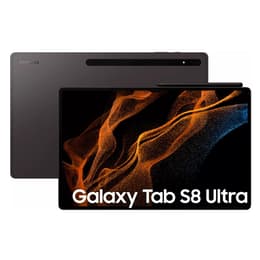
Galaxy Tab S8 (11.0", 2022)
Starting at

Refurbished price:€398.00

Versus €999.00 new

See options
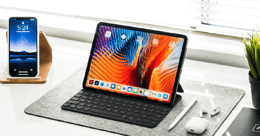
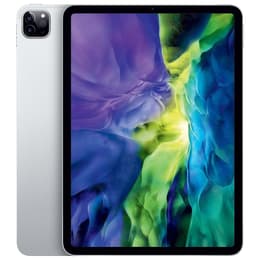
iPad Pro (2020, A12 series)
Starting at

Refurbished price:€459.00

Versus €899.00 new

See options

Differences at a glance

The Galaxy Tab S8 (2022) and the iPad Pro (2020) represent capable high-end tablets from Samsung and Apple, respectively. While they operate on different software ecosystems and belong to distinct release years, both devices cater to users seeking robust productivity and entertainment capabilities on a portable screen. A primary differentiator lies in their operating systems, with the Galaxy Tab S8 running Android and providing deep multitasking window features, while the iPad Pro runs iPadOS and focuses on a streamlined, app-centric interface. Choosing between them depends heavily on ecosystem preference and desired workflow flexibility.

Available Models

Colour

Storage

Scores

Durability

When examining longevity and hardware lifespan, both tablets offer distinct update schedules and build designs suited for long-term daily use.

  • Release timeline and software updates: The Galaxy Tab S8 launched in 2022 and receives extended system and security patches from Samsung, while the iPad Pro released in 2020 and benefits from Apple's traditionally long software support window. Both platforms ensure several years of operational security.
  • Repairability and physical endurance: Both devices feature aluminum chassis and durable glass fronts, though professional repair options vary by region. Opting for a quality-assured refurbished option provides a sustainable choice that extends the hardware lifecycle while maintaining functional reliability.
  • Expected practical lifespan: Due to powerful internal hardware in both models, users can anticipate smooth daily performance for years of web browsing, media streaming, and document editing.

Year of Release

2022

2020

OS

Android

iPadOS

Performance

The internal hardware of both tablets handles daily tasks, app loading, and intensive multitasking efficiently under varying software environments.

  • Processor capabilities and responsiveness: Both devices utilize powerful current-generation or high-tier processing architecture that ensures rapid app launching, fluid webpage scrolling, and consistent system responsiveness without noticeable stutter.
  • Memory and storage management: Offering various internal storage configurations and memory capacities, both tablets handle active background processes well, allowing users to switch between heavy productivity applications and streaming services smoothly.
  • Battery behavior: Typical daily usage, including video conferencing, writing, and web browsing, easily spans a full day on both devices, though intensive gaming or maximum screen brightness will deplete the battery more quickly.

Screen quality

Display technology differs between the two models, impacting media consumption, outdoor legibility, and visual clarity.

  • Display panels and resolution: The Galaxy Tab S8 features a crisp liquid crystal display with vibrant color reproduction, whereas the iPad Pro utilizes a high-resolution liquid crystal panel equipped with a high refresh rate for smooth motion.
  • Brightness and outdoor visibility: Both screens offer sufficient peak brightness levels to remain legible under harsh indoor lighting or moderate outdoor daylight conditions.
  • Refresh rate and smoothness: Both devices support fast refresh rates, ensuring that scrolling through documents, drawing with a stylus, and navigating the interface appear fluid and immediate.

Resolution

1600 x 2560

2388 x 1668

Screen type

TFT LCD

Liquid Retina display

Pixel density

280ppp

264ppp

Audiovisual

Tablet cameras serve primarily for document scanning, video calls, and casual snapshot photography rather than primary content creation.

  • Rear camera systems: Both tablets include multi-lens rear setups featuring main and ultra-wide sensors that capture clear images in well-lit environments and handle document scanning effectively.
  • Front-facing cameras and video calls: Positioned for landscape video conferencing, the front cameras on both models deliver clear video quality for virtual meetings and online classes.
  • Audio and speaker output: Equipped with multi-speaker arrays tuned for stereo sound, both devices provide clear audio output for watching movies, listening to music, and participating in calls without external speakers.

Miscellaneous

Practical physical design choices and connectivity standards shape how each tablet integrates into daily travel and workspace routines.

  • Connectivity and ports: Both models support fast wireless standards and feature USB Type-C connectivity for charging and connecting accessories such as external storage drives or monitors.
  • Authentication sensors: The Galaxy Tab S8 integrates a fingerprint scanner into its power button for quick unlocking, while the iPad Pro relies on facial recognition technology.
  • Dimensions and handling: Both tablets maintain slim profiles and manageable weights, making them well-suited for students and professionals who travel frequently or work on the move.

Weight

503 g

471 g

Screen size (in)

11.0

11

Network

Wi-Fi

Wi-Fi

Carrier compatibility

Unlocked

Without SIM Port

What the community thinks

User discussions across online communities highlight distinct preferences for each device depending on workflow habits and existing technology ecosystems. Users frequently praise the Galaxy Tab S8 for its flexible window-based multitasking, included stylus in the box, and expandable storage options, making it a favorite for those who value customization and file management. On the other hand, users often commend the iPad Pro for its robust app library tailored specifically for creative professionals, consistent interface fluidity, and integration with peripheral accessories.

Users prioritizing a traditional file system and split-screen flexibility may prefer the Galaxy Tab S8, while users focusing on illustration software and seamless tablet-to-laptop accessory workflows often lean toward the iPad Pro. Selecting either device as an eco-friendly alternative through a quality-assured refurbished option allows consumers to access high-end computing performance while supporting sustainable electronics consumption. Ultimately, the right choice depends on personal software preference and how each tablet fits into daily personal or professional routines.


Our recent comparisons