
Samsung

Compare models
Differences at a glance
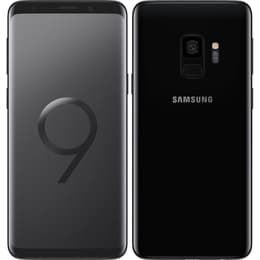
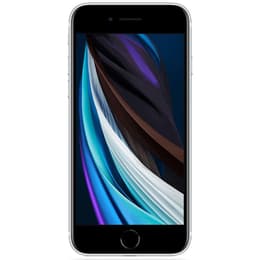
The Samsung Galaxy S9, an Android smartphone released in March 2018, and the iPhone SE 2020, an iOS device launched in April 2020, represent distinct approaches to smartphone design and functionality. While the Galaxy S9 offered a premium Android experience with a focus on display technology and camera innovation at its release, the iPhone SE 2020 brought powerful internal components into a more compact, familiar Apple design. These differences extend to their operating systems, with the Galaxy S9 running Android and the iPhone SE 2020 operating on iOS, influencing user experience and software longevity.
Colour
Storage
When considering the practical lifespan of these devices, their release timelines and software support are key factors. The Galaxy S9, launched in 2018, received major Android OS updates up to Android 10 (One UI 2.5), with security updates continuing for a period thereafter. The iPhone SE 2020, released two years later in 2020, benefits from Apple's typically longer software support, having received updates up to iOS 26.4 as of March 2026.
Year of Release
Compatible with latest Update
OS
Foldable
The performance capabilities of the Galaxy S9 and iPhone SE 2020 reflect their respective release eras and design philosophies. The iPhone SE 2020, being a newer device, incorporates a more recent generation of processing technology, leading to noticeable differences in speed and efficiency.
The visual experience on these two smartphones is shaped by their distinct display technologies and design choices.
Resolution
Screen type
Both the Galaxy S9 and iPhone SE 2020 offer capable camera systems, though they differ in their approach and features.
Main camera
Front camera
Beyond core performance and display, several practical elements differentiate the Galaxy S9 and iPhone SE 2020, impacting daily usability.
Weight
Screen size (in)
Network
SIM card
Carrier compatibility
Connector
User sentiment for the Samsung Galaxy S9 often praises its vibrant Super AMOLED display and its camera's innovative variable aperture, which was a notable feature at its launch. Some users appreciated the inclusion of a headphone jack and expandable storage. However, common criticisms included its battery life not being a significant improvement over its predecessor and its software update cycle ending relatively early.
The iPhone SE 2020 is frequently lauded for its powerful internal components, offering performance comparable to more expensive models in a smaller form factor. Users often highlight its long-term software support and the familiarity of its design. Criticisms typically revolve around its older design with larger bezels, the smaller display size, and battery life that, while optimized, may not satisfy heavy users.
Users prioritizing a large, immersive display with rich colors and expandable storage may find the Galaxy S9 more aligned with their needs. Conversely, those who value a compact device with powerful, long-lasting performance and extended software support will likely lean towards the iPhone SE 2020. Both devices offer distinct advantages, catering to different user preferences. For those seeking a quality-assured refurbished option, both models are available, providing an eco-friendly alternative to new purchases.