


Compare models

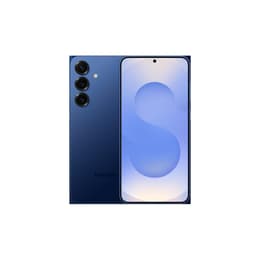
Galaxy S25+ Vs Google Pixel 9a

  • 1-year minimum warranty
  • Free delivery on all orders
  • Free 30-day returns
Galaxy S25+
Starting at

Refurbished price:559.00

Versus €1,156.53 new

See options
Google Pixel 9a
Starting at

Refurbished price:348.00

Versus €586.09 new

See options

Differences at a glance

The Samsung Galaxy S25+ (2025) and the Google Pixel 9a (2025) are modern Android smartphones designed to cater to different user preferences within the mobile market. While the Galaxy S25+ positions itself as a large-screen device equipped for comprehensive productivity, the Pixel 9a serves as a streamlined option focused on core everyday usability. Both run on the Android operating system, though each manufacturer applies a distinct interface overlay and software philosophy.

Available Models

Colour

Storage (GB)

Scores

Durability

When examining hardware longevity and software support, both devices provide extended timelines for system security, though they differ in their build philosophy and anticipated structural lifecycle.

  • Software support duration: The Google Pixel 9a receives up to seven years of full software and security updates from its release date, matching industry-leading update commitments. The Galaxy S25+ features a comparable multi-year update path covering numerous operating system upgrades.
  • Build and repairability: The Galaxy S25+ utilizes aluminum and glass framing, while the Pixel 9a incorporates durable composite materials and an IP68 water resistance rating. Users exploring a quality-assured refurbished option will find that both models maintain structural integrity well over years of standard use.
  • Expected practical lifespan: Due to robust battery management software and high-capacity internal components, both smartphones are engineered to sustain functional daily performance across several years of continuous ownership.

Year of Release

2025

2025

OS

Android

Android

Foldable

No

No

Performance

System responsiveness and day-to-day multitasking capabilities vary based on internal hardware configurations and memory capacity tailored to each device class.

  • Storage configurations: The Galaxy S25+ provides larger baseline storage tiers starting at 256GB, whereas the Pixel 9a is typically configured with 128GB of internal storage. Neither device includes expandable storage slots via memory cards.
  • Everyday speed and multitasking: Both handsets handle everyday tasks, web browsing, and demanding applications smoothly without noticeable stutter. The Galaxy S25+ features a higher RAM allocation that assists with heavy app switching, while the Pixel 9a manages background processes efficiently through optimized software integration.
  • Battery behavior: The Pixel 9a houses a high-capacity battery designed to endure long periods of mixed usage, whereas the Galaxy S25+ balances its energy draw against a larger, high-resolution screen to get through a typical day of mixed tasks.

Screen quality

Display characteristics differ significantly in physical dimensions, resolution density, and visual panel technology between the two models.

  • Display technology: The Galaxy S25+ features a large 6.7-inch Dynamic AMOLED display with high resolution, while the Pixel 9a uses a compact 6.3-inch OLED panel. Both technologies offer deep contrast levels and rich color reproduction.
  • Brightness and outdoor visibility: Both screens reach high peak brightness levels, ensuring that text and images remain legible under direct sunlight or bright ambient lighting conditions.
  • Refresh rate and smoothness: Both models support variable refresh rates reaching up to 120Hz, providing smooth scrolling through web pages, documents, and supported applications.

Resolution

1440x3120

2424 x 1080

Audiovisual

Imaging hardware and software processing pipelines define distinct photography and media recording experiences for each smartphone.

  • Camera system capabilities: The Galaxy S25+ features a triple-lens rear setup including a dedicated telephoto zoom lens, whereas the Pixel 9a relies on a dual-lens rear configuration focusing on a primary wide sensor and an ultra-wide lens.
  • Low-light and everyday photography: Both devices apply advanced computational processing to capture sharp details and accurate colors in challenging lighting conditions. The Pixel series is well-regarded for natural skin tones, while Samsung provides versatile framing options via its multi-lens array.
  • Video and audio output: Both models record stable high-definition and ultra-high-definition video accompanied by clear internal microphone recording. Stereo speakers on both units deliver balanced media playback for podcasts and casual video streaming.

Miscellaneous

Practical physical attributes and connectivity standards shape how each device fits into daily routines and travel environments.

  • Connectivity standards: Both smartphones support modern 5G networks, fast Wi-Fi protocols, and Bluetooth connectivity for wireless accessories.
  • Physical dimensions and handling: The Galaxy S25+ is wider and heavier due to its larger screen real estate, whereas the Pixel 9a offers a more compact footprint that is easier to operate with one hand.
  • Security sensors: Both devices incorporate secure under-display fingerprint readers and facial recognition options for quick unlocking.

Weight

190 g

186 g

Screen size (in)

6.7

6.3

Network

5G

5G

SIM card

Dual Physical SIM

Physical SIM + eSIM

Carrier compatibility

Unlocked

Unlocked

What the community thinks

Deciding between the Samsung Galaxy S25+ and the Google Pixel 9a depends on individual user preferences and daily workflow requirements. Users prioritizing a larger display canvas, higher baseline storage capacity, and a dedicated telephoto zoom lens for photography will find the Galaxy S25+ well-suited to their needs. Conversely, users seeking a more compact physical form factor, long software support longevity, and streamlined everyday operation may prefer the Pixel 9a.

For consumers evaluating sustainable technology choices, exploring a quality-assured refurbished option on Back Market provides an eco-friendly alternative to purchasing newly manufactured hardware. Both devices deliver dependable performance across their respective feature sets, allowing buyers to select the model that best complements their personal priorities.