

Galaxy S24 Ultra Vs iPhone 13 mini

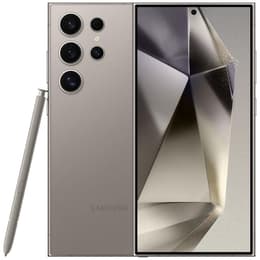
Galaxy S24 Ultra
Galaxy S24 Ultra
Starting at

Refurbished price:542.00

Versus €1,141.93 new

See options
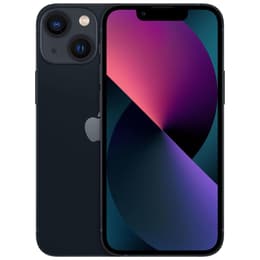
iPhone 13 mini
iPhone 13 mini
Starting at

Refurbished price:228.00

Versus €829.00 new

See options

Ratings

The Samsung Galaxy S24 Ultra (released January 2024) and the iPhone 13 Mini (released September 2021) represent two distinct philosophies in smartphone design: a large, feature-rich Android flagship versus a compact, powerful iOS device. While both offer premium experiences within their respective ecosystems, they cater to different user preferences regarding size, operating system, and advanced capabilities. The Galaxy S24 Ultra focuses on cutting-edge technology and a expansive display, whereas the iPhone 13 Mini prioritizes portability and one-handed use.

Scores

Durability

The longevity of a smartphone is influenced by its build quality, software support, and the availability of parts for repair. These two devices, despite their different release timelines, offer robust construction.

  • Release Timeline and Software Support: The Galaxy S24 Ultra, being a 2024 release, benefits from Samsung's commitment to seven years of major OS updates and security patches, ensuring extended software longevity. The iPhone 13 Mini, released in 2021, typically receives iOS updates for 5-6 years from its launch, meaning its software support will conclude sooner than the S24 Ultra's.
  • Physical Durability: The Galaxy S24 Ultra features a titanium frame and Gorilla Glass Armor on its display, which has shown strong resistance to scratches and bending in tests. The iPhone 13 Mini incorporates a Ceramic Shield front cover and an aerospace-grade aluminum frame, contributing to its overall resilience against drops and daily wear. Both devices carry an IP68 rating for dust and water resistance, indicating protection against immersion.
  • Repairability and Practical Lifespan: While specific repairability scores can vary, both manufacturers generally design their devices with some consideration for component replacement. The newer Galaxy S24 Ultra's larger internal components might offer a slightly more straightforward repair process for certain parts compared to the compact design of the iPhone 13 Mini. Users often report the iPhone 13 Mini to be quite durable in real-world use, with its smaller size potentially making it less prone to impact damage.

Year of Release

2024

2021

Compatible with latest Update

Yes

Yes

OS

Android

iOS

Foldable

No

No

Performance

Performance in a smartphone encompasses how smoothly applications run, the speed of multitasking, and overall system responsiveness, all influenced by the internal processing components and memory.

  • Processing Power and Responsiveness: The Galaxy S24 Ultra is equipped with a current-generation processor designed for demanding tasks, offering smooth performance for heavy applications, advanced gaming, and AI features. The iPhone 13 Mini, while featuring a powerful processor from its release year, provides a very responsive experience for everyday tasks and most applications, though it may not match the raw computational power of the much newer S24 Ultra for highly intensive workloads.
  • Multitasking and Storage: The Galaxy S24 Ultra typically comes with a larger amount of RAM, which facilitates seamless multitasking with many applications open simultaneously. It also offers generous storage options, starting from 256GB. The iPhone 13 Mini, with its 4GB of RAM, handles typical multitasking well for its operating system and offers storage options starting at 128GB.
  • Battery Behavior: The Galaxy S24 Ultra houses a substantial 5000mAh battery, consistently delivering extended usage times, often lasting more than a full day even with heavy use. The iPhone 13 Mini, despite its smaller physical size, offers improved battery life compared to its predecessor, often lasting a full day for moderate users, though heavy users might find themselves needing to charge more frequently than with larger devices.

Memory (GB)

12 GB

4 GB

Screen quality

The display is a primary interface for smartphone interaction, and differences in technology, resolution, and brightness significantly impact the user experience.

  • Display Technology and Clarity: The Galaxy S24 Ultra features a 6.8-inch Dynamic AMOLED 2X display with a QHD+ resolution, providing exceptional sharpness and vibrant colors. The iPhone 13 Mini has a 5.4-inch Super Retina XDR OLED display with a resolution of 2340 x 1080, offering deep blacks and clear visuals in a more compact form factor.
  • Brightness and Refresh Rate: The S24 Ultra boasts a high peak brightness of up to 2600 nits, making it highly visible even in bright outdoor conditions, and an adaptive refresh rate ranging from 1Hz to 120Hz for smooth scrolling and animations. The iPhone 13 Mini offers a peak brightness of up to 1200 nits for HDR content and a standard 60Hz refresh rate, which is suitable for most daily interactions.
  • Screen Size and Viewing Experience: The S24 Ultra's large display is well-suited for media consumption, productivity, and immersive gaming, offering an expansive viewing area. The iPhone 13 Mini's smaller screen is ideal for users who prioritize one-handed operation and pocketability, providing a comfortable grip and easy navigation.

Resolution

1440 x 3120

1080 x 2340

Screen type

Dynamic LTPO AMOLED 2X

Super Retina XDR OLED

Audiovisual

Camera capabilities are a significant factor for many users, encompassing the versatility of the lens system, performance in various lighting conditions, and video recording features.

  • Camera System Versatility: The Galaxy S24 Ultra features a comprehensive quad-camera system on the rear, including a 200MP main sensor, a 12MP ultrawide, and two telephoto lenses (10MP with 3x optical zoom and 50MP with 5x optical zoom), offering extensive zoom capabilities and flexibility. The iPhone 13 Mini has a dual-camera system with a 12MP wide and a 12MP ultrawide lens, providing solid performance for everyday photography.
  • Photography Performance: The S24 Ultra excels in capturing detailed images across various zoom levels and generally performs well in low-light conditions, though some users note occasional issues with noise reduction. The iPhone 13 Mini delivers clear photos with true-to-life colors and has improved low-light performance compared to its predecessors, benefiting from sensor-shift optical image stabilization.
  • Video Recording and Audio: Both devices offer high-quality video recording. The S24 Ultra supports up to 8K video recording and offers advanced features like 4K 120FPS in Pro Video mode, along with good microphone quality. The iPhone 13 Mini records up to 4K at 60fps and includes features like Cinematic mode for shallow depth of field in videos, with good audio capture for calls and recordings.

Main camera

200 megapixels

12 megapixels

Front camera

12 megapixels

12 megapixels

Miscellaneous

Beyond core performance and display, several practical features contribute to the overall user experience, from connectivity to physical design elements.

  • Connectivity and Ports: Both devices support 5G networks for faster mobile data speeds and include modern Wi-Fi standards and Bluetooth for wireless connectivity. The Galaxy S24 Ultra uses a USB-C port for charging and data transfer, while the iPhone 13 Mini utilizes Apple's proprietary Lightning port.
  • Biometric Security: The Galaxy S24 Ultra incorporates an in-display ultrasonic fingerprint sensor and facial recognition for secure unlocking. The iPhone 13 Mini relies on Face ID, Apple's facial recognition system, for secure authentication.
  • Design and Handling: The S24 Ultra is a larger device, weighing around 232g, with a titanium frame and a flat display, which some users find enhances S Pen usability. The iPhone 13 Mini is significantly more compact and lighter at 141g, making it highly suitable for one-handed use and easy pocketability, a key appeal for users preferring smaller phones. The S24 Ultra also features an integrated S Pen stylus, offering additional functionality for note-taking and navigation.

Weight

232 g

140 g

Screen size (in)

6.8

5.4

Network

5G

5G

SIM card

Physical SIM + eSIM

Physical SIM + eSIM

Carrier compatibility

Unlocked

Unlocked

The Samsung Galaxy S24 Ultra and the iPhone 13 Mini cater to distinct user needs, reflecting their different design philosophies and release timelines. Users frequently praise the Galaxy S24 Ultra for its exceptional battery life, powerful performance, and versatile camera system, particularly its advanced zoom capabilities. Its large, bright display and integrated S Pen are also commonly highlighted as significant advantages for productivity and media consumption. Some criticisms occasionally surface regarding the camera's low-light processing in specific scenarios or the incremental nature of some hardware upgrades compared to its direct predecessor.

Conversely, the iPhone 13 Mini is consistently lauded for its compact size, making it ideal for one-handed use and easy portability, a feature many users appreciate in an era of increasingly large smartphones. Its responsive performance for daily tasks and improved battery life over previous mini models are also frequently cited as positives. Common criticisms often revolve around its battery life, which, while improved, still falls short of larger phones, and its less versatile camera system compared to more recent flagships.

For users prioritizing a large, expansive display, a highly versatile camera with extensive zoom, and the latest in Android processing power, the Galaxy S24 Ultra is a compelling choice. Its long software support also appeals to those seeking extended device longevity. On the other hand, individuals who value a highly portable device that excels in one-handed usability and offers a smooth iOS experience will find the iPhone 13 Mini well-suited to their preferences. Both devices, whether new or as a quality-assured refurbished option, provide reliable performance within their respective categories, allowing consumers to make informed, sustainable choices based on their individual priorities.


See all articles

Our recent comparisons