

Compare models

Galaxy S24 FE Vs iPhone 17 Pro Max

  • 1-year minimum warranty
  • Free delivery on all orders
  • Free 30-day returns
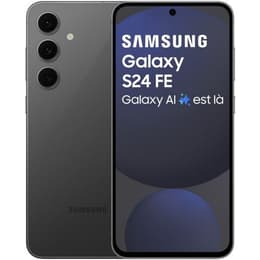
Galaxy S24 FE
Starting at

Refurbished price:336.00

Versus €889.00 new

See options
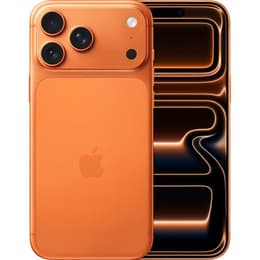
iPhone 17 Pro Max
Starting at

Refurbished price:1,123.00

Versus €1,489.00 new

See options

Differences at a glance

The Samsung Galaxy S24 FE (2024) and the Apple iPhone 17 Pro Max (2025) represent two different approaches to the modern smartphone, bridging distinct operating systems and target audiences. While the Galaxy S24 FE focuses on delivering essential high-end performance in an accessible format, the iPhone 17 Pro Max stands as a maximum-capability flagship running iOS. These devices differ primarily in their ecosystem foundations, hardware sophistication, and intended user experiences.

Available Models

Colour

Storage (GB)

Scores

Durability

When examining longevity and durability, both smartphones offer robust build qualities and long-term software support, though they differ in release timelines and update frameworks.

  • Software Support: Both devices receive multi-year operating system updates and security patches, with the newer Apple model benefiting from an extended support window matching its later release date.
  • Build Resilience: The Galaxy S24 FE features reinforced glass panels and an aluminum frame with an IP68 dust and water resistance rating, while the iPhone 17 Pro Max utilizes advanced ceramic shielding on both sides and an unibody design for enhanced drop and scratch protection.
  • Expected Lifespan: Both models provide sufficient hardware headroom and structural integrity to function reliably across several years of daily ownership.

Year of Release

2024

2025

Compatible with latest Update

Yes

Yes

OS

Android

iOS

Foldable

No

No

Performance

Under everyday conditions, both handsets manage demanding workflows, background synchronization, and heavy applications with high efficiency, though their underlying hardware architectures differ.

  • System Responsiveness: Both devices handle multitasking, rapid app launching, and complex mobile games smoothly, ensuring minimal stutter during intensive navigation.
  • Memory and Storage: Configurations include high-speed storage tiers and ample memory capacity to keep multiple background processes active without requiring frequent reloads.
  • Battery Behavior: Both models maintain enough battery capacity to endure a full day of mixed usage, supporting rapid replenishment via wired and wireless methods.

Screen quality

Visual output across both handsets utilizes advanced panel technologies designed to provide sharp text, deep contrast levels, and comfortable viewing across varying lighting conditions.

  • Display Technology: Both models incorporate high-refresh-rate organic light-emitting diode panels that deliver vibrant colors, deep black levels, and fluid scrolling animations.
  • Outdoor Visibility: High peak brightness capabilities ensure that screens remain legible and clear even under direct sunlight.
  • Viewing Area: Both devices offer expansive screen real estate suited for media consumption, document review, and immersive web browsing.

Resolution

1080 x 2340

2868x1320

Screen type

Dynamic AMOLED 2X

Super Retina XDR

Audiovisual

Photography and video recording configurations on these devices cater to both casual creators and users who require detailed documentation capabilities.

  • Lens Versatility: Both smartphones feature multi-lens setups incorporating main, ultra-wide, and optical zoom options to accommodate diverse framing needs.
  • Low-Light Capture: Advanced image processing allows both models to preserve detail and control noise effectively in dim environments.
  • Video and Audio: Video stabilization, high-resolution recording formats, and sensitive microphone arrays ensure clear multimedia recording for calls and personal projects.

Main camera

50 megapixels

48 megapixels

Front camera

10 megapixels

18 megapixels

Miscellaneous

Practical daily usability elements, connectivity standards, and physical handling characteristics shape how these devices fit into user routines.

  • Connectivity: Both models support modern fifth-generation cellular networks, Wi-Fi standards, and Bluetooth protocols for stable peripheral pairing.
  • Security Sensors: Biometric authentication is handled via secure facial recognition or responsive in-display fingerprint scanning depending on the platform.
  • Ergonomics: Each device balances screen size with physical dimensions, though weight distribution varies based on internal components and frame materials.

Weight

213 g

233 g

Screen size (in)

6.7

6.9

Network

5G

5G

SIM card

Dual Physical SIM

eSIM

Carrier compatibility

Unlocked

Unlocked

Connector

USB-C

USB-C

What the community thinks

User feedback highlights the dependable everyday reliability of the Galaxy S24 FE alongside the advanced imaging and processing power praised in the iPhone 17 Pro Max, while common discussions often center on ecosystem preferences and device dimensions. Users prioritizing Android customization and a straightforward flagship experience may prefer the Galaxy S24 FE, while users invested in the iOS ecosystem who prioritize extended media production capabilities may lean toward the iPhone 17 Pro Max. Evaluating these models alongside a quality-assured refurbished option provides an eco-friendly alternative for conscious consumers seeking reliable technology. Ultimately, the right choice depends on individual operating system preferences and specific daily workflow requirements.