

Compare models
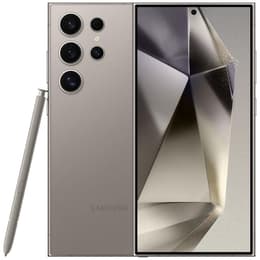
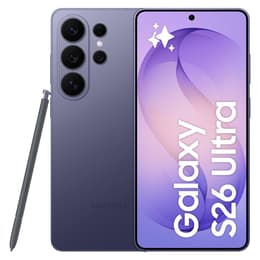
Galaxy S24 Ultra Vs Galaxy S26 Ultra
- 1-year minimum warranty
- Free delivery on all orders
- Free 30-day returns
Differences at a glance
The Samsung Galaxy S24 Ultra (2024) and the Samsung Galaxy S26 Ultra (2026) represent two successive generations of premium large-screen Android smartphones. While both devices anchor Samsung's high-end lineup with integrated stylus support and extensive software ecosystems, the newer model introduces a slimmer physical profile, faster charging capabilities, and refined hardware features. Choosing between these flagships depends on individual preferences regarding handling comfort, charging speed, and long-term software support.
Available Models
Colour
Storage (GB)
Scores
Durability
When examining hardware longevity and software update timelines, both models offer extended support windows, though their release years create a natural offset in active lifespans.
- Software Support Schedule: Both devices are backed by long-term operating system and security patch commitments from Samsung, with the newer model benefiting from a later baseline launch year and extended support windows.
- Build Durability: The Galaxy S24 Ultra utilizes a titanium frame and sturdy glass protection, while the Galaxy S26 Ultra shifts to an aluminum frame to achieve a lighter, thinner chassis while maintaining robust scratch and water resistance.
- Expected Lifespan: Both models are built for multi-year daily use, making quality-assured refurbished options a sustainable choice for consumers seeking high-end longevity without environmental waste.
Year of Release
2024
2026
Compatible with latest Update
Yes
Yes
OS
Android
Android
Foldable
No
No
Performance
Under everyday conditions, both devices handle demanding tasks, multitasking, and resource-heavy mobile applications with smooth system responsiveness.
- System Responsiveness: The Galaxy S24 Ultra handles demanding apps and multitasking smoothly thanks to its current-generation processor, while the Galaxy S26 Ultra features an upgraded internal architecture with improved thermal cooling for sustained heavy workloads.
- Battery Behavior: Both smartphones pack a 5,000 mAh battery capacity, but the newer model introduces faster wired charging speeds that significantly reduce downtime during quick top-ups.
- Storage Configurations: Both devices offer ample internal storage starting at baseline capacities, ensuring plenty of room for offline media, high-resolution photographs, and large documents.
Screen quality
Display technology on both Ultra devices delivers sharp visuals, deep contrast ratios, and comfortable viewing experiences across varied lighting conditions.
- Display Panel: Both smartphones feature large, high-resolution OLED displays with adaptive refresh rates that scale smoothly from low Hertz for static reading up to 120 Hertz for fluid scrolling.
- Outdoor Visibility: High peak brightness levels on both generations ensure clear legibility when viewing content directly under bright sunlight.
- Viewing Area: The Galaxy S26 Ultra slightly refines screen real estate and bezel dimensions within a fractionally larger overall display footprint compared to its predecessor.
Resolution
1440 x 3120
1440 x 3120
Audiovisual
Camera systems on both devices provide versatile multi-lens configurations suitable for everyday snapshots, expansive landscapes, and detailed close-up photography.
- Lens Versatility: Both models feature high-resolution main sensors accompanied by ultra-wide lenses and dual telephoto options designed for optical-grade zoom performance.
- Low-Light Performance: Advanced image processing helps both smartphones capture bright, detailed night shots, with the newer model incorporating a wider aperture on its main sensor to gather extra light.
- Video and Audio: Both devices record crisp high-definition video with robust stabilization features, complemented by clear microphone pick-up for calls and voice notes.
Front camera
12 megapixels
12.0
Miscellaneous
Physical handling, connectivity standards, and daily usability features highlight distinct ergonomic adjustments between the two generations.
- Dimensions and Weight: The Galaxy S24 Ultra weighs around 232 grams with a titanium build, whereas the Galaxy S26 Ultra trims down to approximately 214 grams with a slimmer profile for more comfortable pocketability.
- Connectivity: Both models support modern network standards including fast wireless protocols, dual SIM configurations, and comprehensive 5G connectivity bands.
- Authentication and Sensors: Each device incorporates responsive under-display fingerprint sensors and secure facial recognition alongside built-in stylus integration for handwritten notes.
Weight
232 g
214 g
Screen size (in)
6.8
6.9
Network
5G
5G
SIM card
Dual Physical SIM + eSIM
Physical SIM + eSIM
Carrier compatibility
Unlocked
Unlocked
What the community thinks
User discussions and community feedback indicate that the Galaxy S24 Ultra is widely praised for its sturdy titanium build, reliable battery endurance, and comprehensive stylus functionality. Common notes center on its heavier physical footprint and standard charging speeds compared to newer market alternatives. Conversely, users frequently highlight the Galaxy S26 Ultra for its noticeably lighter, thinner chassis, faster charging speeds, and refined handling ergonomics, though some purists note the shift from titanium to an aluminum frame.
Users prioritizing a lighter physical feel in the hand and faster power replenishment may lean toward the Galaxy S26 Ultra, while users seeking a robust titanium build at a lower entry point will find the Galaxy S24 Ultra well-suited to their needs. Both devices deliver top-tier performance for professionals, students, and travelers alike. For buyers exploring an eco-friendly alternative, a quality-assured refurbished option provides a sustainable way to access these high-end features.