
Samsung

Compare models
Differences at a glance
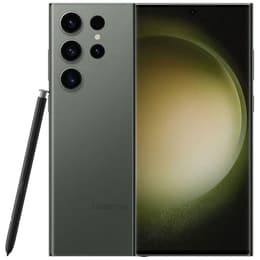
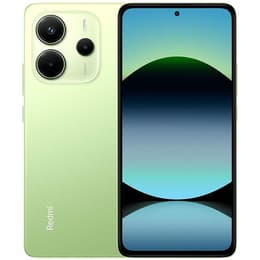
The Samsung Galaxy S23 Ultra, released in February 2023, and the Xiaomi Redmi Note 14 4G, launched in late 2024 or early 2025, represent distinct segments within the smartphone market. While both devices operate on the Android platform, they cater to different user priorities through their hardware capabilities and software experiences. The Galaxy S23 Ultra is positioned as a high-end flagship, emphasizing advanced camera technology, a powerful processor, and an integrated stylus. In contrast, the Redmi Note 14 4G focuses on delivering a robust everyday experience with a large display, extended software support, and a substantial battery, making it a compelling option for users seeking reliability in a more recent package.
Colour
Storage
When considering the long-term usability of these smartphones, their release timelines and software support policies are key factors. The Galaxy S23 Ultra, launched in early 2023, benefits from Samsung's commitment to software longevity, while the Redmi Note 14 4G, being a newer device, offers an extended update cycle from its launch date.
Year of Release
OS
Foldable
The performance capabilities of these two devices reflect their intended market segments, with the Galaxy S23 Ultra offering flagship-tier power and the Redmi Note 14 4G providing capable performance for its category.
Both smartphones offer vibrant display technologies, but they differ in resolution, brightness, and overall visual fidelity, catering to varying user expectations.
Resolution
The camera systems on these devices reflect different approaches to mobile photography, with the Galaxy S23 Ultra offering a comprehensive, high-end setup and the Redmi Note 14 4G focusing on a capable main sensor.
Beyond core performance and display, several practical features and design elements differentiate these two smartphones, impacting daily usability and connectivity.
Weight
Screen size (in)
Network
SIM card
Carrier compatibility
User feedback for the Samsung Galaxy S23 Ultra frequently praises its exceptional camera system, particularly its low-light capabilities and versatile zoom, often described as among the best in the market. Its powerful performance for demanding applications and gaming, coupled with impressive battery life, also receives consistent acclaim. Criticisms are less common but sometimes point to its large size and weight, which might not suit all users, and the incremental nature of some upgrades over its predecessor. The integrated S Pen is a significant draw for productivity-focused individuals.
For the Xiaomi Redmi Note 14 4G, users often highlight its vibrant AMOLED display with a high refresh rate as a strong point for media consumption. The long-lasting 5500 mAh battery and its extended software support policy are also frequently mentioned as key advantages. Common criticisms include the absence of an ultrawide camera and the limited utility of the macro and depth sensors, suggesting the camera system, while good for the main sensor, lacks versatility. Some users also note that while performance is smooth for daily tasks, it might experience occasional stutters during very heavy usage.
Users prioritizing a top-tier camera experience with advanced zoom, cutting-edge performance for intensive tasks, and the unique functionality of an integrated stylus will find the Samsung Galaxy S23 Ultra well-suited to their needs. Its robust build and high-resolution display further enhance its appeal for power users and creative professionals. Conversely, individuals seeking a newer device with a strong emphasis on battery life, a smooth display for everyday use, and a longer software update commitment will likely lean towards the Xiaomi Redmi Note 14 4G. It serves as an excellent choice for those who value practical features and extended longevity without needing flagship-level camera versatility or raw processing power. Both devices, whether new or as a quality-assured refurbished option, offer distinct advantages depending on individual user requirements.