

Compare models
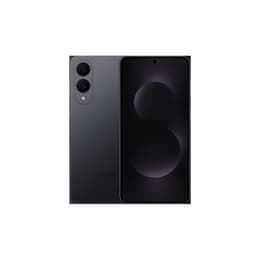
Galaxy S23 FE Vs Galaxy S25 Edge
- 1-year minimum warranty
- Free delivery on all orders
- Free 30-day returns
Differences at a glance
The Samsung Galaxy S23 FE (2023) and the Samsung Galaxy S25 Edge (2025) represent two distinct approaches to everyday smartphones within Samsung's extensive product family. While both devices run on the Android operating system with Samsung's custom interface, they differ significantly in their launch timelines, internal capabilities, and physical profiles.
The Galaxy S23 FE serves as a practical, well-rounded option from an earlier generation, whereas the Galaxy S25 Edge introduces a remarkably slim design alongside updated internal hardware.
Available Models
Colour
Storage
Scores
Durability
When evaluating hardware longevity and software support, these two models occupy different positions due to their respective release years.
- Software Support Timeline: The Galaxy S25 Edge benefits from an extended software update commitment spanning multiple major operating system upgrades, whereas the older Galaxy S23 FE is further along in its official support lifecycle.
- Repairability and Build Durability: Both handsets feature sturdy glass and metal construction with high-level water resistance ratings, though standard wear and tear over years of daily handling will eventually impact battery capacity on both devices equally.
Year of Release
2023
2025
Compatible with latest Update
Yes
Yes
OS
Android
Android
Foldable
No
No
Performance
Daily responsiveness and multitasking capabilities vary noticeably between these models, driven by differences in internal processing hardware and memory capacity.
- Multitasking and App Loading: The Galaxy S25 Edge handles demanding applications, graphics-heavy games, and background multitasking with high fluidity thanks to its current-generation processor and generous memory allocation. The Galaxy S23 FE manages routine tasks, web browsing, and moderate gaming reliably, though heavier workloads may occasionally show minor stuttering compared to its newer counterpart.
- Battery Behavior and Storage: The Galaxy S25 Edge adopts a very slim profile which limits physical battery capacity, resulting in more frequent recharging during heavy usage days. In contrast, the Galaxy S23 FE incorporates a larger internal battery that typically sustains standard daily routines comfortably on a single charge. Both models are offered in multiple internal storage configurations without expandable card slots.
Screen quality
Display performance remains a strong point for both devices, offering vibrant panels suited for media consumption and text readability.
- Display Technology and Clarity: The Galaxy S25 Edge features a larger, high-resolution AMOLED screen that delivers sharp text reproduction and deep contrast levels. The Galaxy S23 FE utilizes a slightly smaller panel with crisp high-definition visuals that easily satisfy everyday viewing needs.
- Outdoor Visibility and Smoothness: Both smartphones support rapid screen refresh rates that ensure smooth scrolling through web pages and user interfaces. High peak brightness levels on both screens allow for clear legibility even under direct sunlight conditions.
Resolution
1080 x 2340
1440 x 3120
Audiovisual
Photography and media recording hardware differ in scope, catering to varying preferences for casual snapshots and detailed capture.
- Main Camera Systems: The Galaxy S25 Edge utilizes a high-resolution primary sensor capable of capturing fine detail in complex lighting environments. The Galaxy S23 FE relies on a versatile triple-lens setup that includes a dedicated optical zoom lens, giving it physical framing flexibility for distant subjects.
- Video and Audio Output: Both devices record stable, high-definition video accompanied by clear internal microphone performance for calls and voice memos. Stereo speakers on each model provide adequate volume for casual media streaming and hands-free communication.
Miscellaneous
Practical daily usability elements such as connectivity standards and physical dimensions shape how each phone feels in hand.
- Connectivity and Biometrics: Both smartphones support modern fifth-generation cellular networks, rapid wireless local area networks, and secure biometric authentication via screen-integrated fingerprint sensors and facial recognition.
- Physical Handling: The Galaxy S25 Edge stands out for its exceptionally thin and lightweight chassis, making it comfortable to hold and easy to slip into tight pockets. The Galaxy S23 FE has a slightly thicker and heavier build, which some users find easier to grip securely without a protective case.
Weight
209 g
163 g
Screen size (in)
6.4
6.7
Network
5G
5G
SIM card
Physical SIM
Physical SIM + eSIM
Carrier compatibility
Unlocked
Unlocked
What the community thinks
User discussions across community forums highlight distinct preferences for each device based on everyday habits. Owners of the Galaxy S23 FE frequently praise its dependable daily battery longevity and well-balanced hardware package. At the same time, users often note that its physical bezels are thicker and its processing hardware is more generationally dated compared to mainline flagships. Conversely, buyers of the Galaxy S25 Edge frequently commend its striking thin profile and rapid system fluidity, though some express concerns regarding battery endurance under heavy workloads due to the reduced physical battery size.
Users prioritizing a featherlight physical form factor, expansive screen estate, and extended software update longevity will find the Galaxy S25 Edge well-suited to their needs. Meanwhile, users prioritizing a more robust battery profile and a dedicated optical zoom lens for everyday photography may lean toward the Galaxy S23 FE. Opting for a quality-assured refurbished option provides a sustainable choice for acquiring either device while reducing electronic waste. Ultimately, the choice depends on whether physical slimness or everyday endurance takes priority in daily use.









