

Compare models

Galaxy S22+ 5G Vs iPhone 17 Pro Max

  • 1-year minimum warranty
  • Free delivery on all orders
  • Free 30-day returns
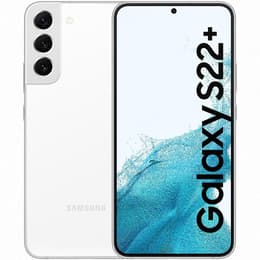
Galaxy S22+ 5G
Starting at

Refurbished price:€236.00

Versus €1,059.00 new

See options
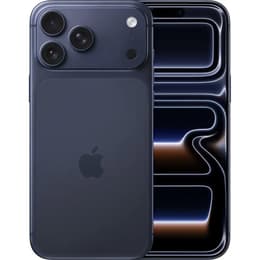
iPhone 17 Pro Max
Starting at

Refurbished price:€1,054.00

Versus €1,489.00 new

See options

Differences at a glance

The Samsung Galaxy S22+ 5G (2022) and the Apple iPhone 17 Pro Max (2025) represent different eras and platforms in mobile technology. While the Galaxy S22+ serves as an established Android flagship with a streamlined build, the iPhone 17 Pro Max functions as an advanced iOS device featuring an expansive display and updated internal architecture. Their core differences center on operating systems, screen dimensions, and generational hardware capabilities.

Available Models

Colour

Storage

Scores

Durability

When examining longevity and durability, both models reflect different stages of their respective product lifecycles and software support timelines.

  • Software support windows: The iPhone 17 Pro Max benefits from an extended Apple update schedule spanning many years, whereas the Galaxy S22+ operates closer to the middle of its designated software maintenance window.
  • Build materials and protection: Both devices incorporate robust aluminum frames and reinforced glass surfaces paired with high-level water and dust resistance ratings for daily resilience.
  • Repairability and lifespan: Each smartphone utilizes integrated modern manufacturing techniques, meaning internal component repairs require professional servicing to maintain structural integrity.

Year of Release

2022

2025

Compatible with latest Update

Yes

Yes

OS

Android

iOS

Foldable

No

No

Performance

Day-to-day speed, memory capacity, and energy management differ notably based on the hardware generations of each device.

  • App loading and multitasking: The iPhone 17 Pro Max handles demanding applications and intensive background multitasking with advanced hardware efficiency, while the Galaxy S22+ manages standard daily workflows and moderate gaming reliably.
  • Storage configurations: The Galaxy S22+ typically starts at 128 gigabytes of storage, whereas the iPhone 17 Pro Max begins at higher baseline capacities and offers expanded storage tiers for extensive media libraries.
  • Battery behavior: The Galaxy S22+ features a moderate battery capacity suited for typical daily use, while the larger physical footprint of the iPhone 17 Pro Max accommodates a higher-capacity battery designed to extend operating hours during heavy use.

Screen quality

Visual experiences vary due to differences in panel size, maximum brightness capabilities, and refresh rate technologies.

  • Display technology and size: The Galaxy S22+ is equipped with a 6.6-inch vibrant OLED display, while the iPhone 17 Pro Max offers a larger 6.9-inch OLED screen providing more expansive workspace for media and productivity.
  • Outdoor legibility: Both screens reach high peak brightness thresholds, ensuring content remains clear and readable under direct sunlight.
  • Motion smoothness: Both devices support adaptive refresh rates up to 120 hertz, delivering smooth scrolling animations and responsive touch feedback during daily navigation.

Resolution

1080 x 2340

2868x1320

Screen type

Dynamic AMOLED 2X

Super Retina XDR

Audiovisual

Multimedia capture and audio output capabilities reflect distinct engineering approaches to lenses, sensors, and internal speakers.

  • Camera versatility: Both smartphones feature multi-lens rear camera arrays including wide, ultra-wide, and telephoto options capable of crisp everyday photography and detailed low-light shots.
  • Video recording: The iPhone 17 Pro Max provides advanced cinematic stabilization and high-resolution recording formats, while the Galaxy S22+ delivers stable, high-definition video output suited for general sharing.
  • Audio and media consumption: Built-in stereo speakers on both models produce clear sound for hands-free calls and casual video viewing without requiring external accessories.

Main camera

50 megapixels

48 megapixels

Front camera

10 megapixels

18 megapixels

Miscellaneous

Practical physical traits, connectivity standards, and daily handling characteristics set the two devices apart.

  • Dimensions and handling: The Galaxy S22+ features a lighter, slimmer profile that rests easily in one hand, whereas the iPhone 17 Pro Max carries a heavier, wider frame designed to maximize screen acreage.
  • Biometric security: The Galaxy S22+ utilizes an ultrasonic in-display fingerprint scanner, while the iPhone 17 Pro Max relies on facial recognition technology.
  • Connectivity and ports: Both models support rapid fifth-generation cellular networks and current Wi-Fi standards, utilizing a universal USB-C connector for wired charging and data transfers.

Weight

195 g

233 g

Screen size (in)

6.6

6.9

Network

5G

5G

SIM card

Dual Physical SIM + eSIM

eSIM

Carrier compatibility

Unlocked

Unlocked

What the community thinks

User feedback from online communities highlights distinct preferences for each device. Owners of the Galaxy S22+ frequently praise its comfortable ergonomics, manageable physical footprint, and balanced everyday performance. Conversely, users of the iPhone 17 Pro Max often emphasize appreciation for its expansive display workspace, extended battery longevity, and robust processing headroom. Common criticisms for the older Samsung model occasionally involve moderate battery endurance under heavy workloads, while the primary reservation regarding the Apple flagship centers on its substantial physical weight and large profile in the hand.

When choosing between these smartphones, user priorities serve as the main guide. Users prioritizing a lighter, more compact form factor with Android customization may prefer the Galaxy S22+. Meanwhile, users prioritizing maximum screen space, extended battery runtimes, and iOS integration will lean toward the iPhone 17 Pro Max. For consumers exploring sustainable technology upgrades, choosing a quality-assured refurbished option provides an eco-friendly alternative that extends device life cycles. Ultimately, selecting the right model depends entirely on individual workflow preferences and daily hardware requirements.







