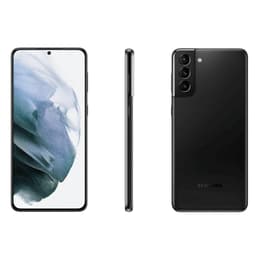
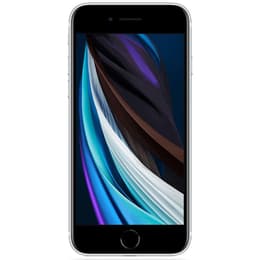


Galaxy S21+ 5G Vs iPhone SE (2020)

Galaxy S21+ 5G
Galaxy S21+ 5G
Starting at

Refurbished price:185.00

Versus €1,059.00 new

See options
iPhone SE (2020)
iPhone SE (2020)
Starting at

Refurbished price:99.00

Versus €319.00 new

See options

Ratings

The Samsung Galaxy S21 Plus 5G (early 2021) and Apple iPhone SE (2020) (mid-2020) represent distinct smartphone designs. While the Galaxy S21 Plus offers a larger display and advanced camera, the iPhone SE (2020) provides a compact form factor and familiar user experience within iOS. These devices cater to different user preferences, emphasizing either a modern, expansive Android experience or a classic Apple design with robust performance.

Scores

Durability

The release timelines of these two devices place them at different stages of their expected software support cycles.

  • Software Longevity: The iPhone SE (2020), released April 2020, is nearing its major iOS update cycle's end, though security updates may continue. The Galaxy S21 Plus 5G, launched January 2021, benefits from Samsung's commitment to longer software support, likely receiving major Android updates for another year and security updates beyond that. Users prioritizing longest OS features might prefer the Galaxy S21 Plus 5G.
  • Physical Resilience: Both devices offer protection against dust and water. The Galaxy S21 Plus 5G features an IP68 rating for deeper submersion, while the iPhone SE (2020) has an IP67 rating for splashes and brief immersion. Both utilize glass on the front and back, with the Galaxy S21 Plus 5G employing advanced glass for enhanced scratch and drop resistance.
  • Repairability: Both models generally offer moderate repairability, with common components being replaceable. Part availability for older models can vary, but both brands typically maintain supply for several years.

Year of Release

2021

2020

Compatible with latest Update

Yes

Yes

OS

Android

iOS

Foldable

No

No

Performance

The performance characteristics of the Galaxy S21 Plus 5G and the iPhone SE (2020) reflect their respective release periods and design philosophies.

  • Everyday Responsiveness: The iPhone SE (2020) delivers smooth performance for daily tasks, app launching, and general navigation, benefiting from its optimized operating system. The Galaxy S21 Plus 5G, with its recent and powerful internal components, offers a noticeably snappier experience, particularly when handling demanding applications, graphic-intensive games, or extensive multitasking.
  • Multitasking and Storage: The Galaxy S21 Plus 5G typically comes with a larger amount of working memory (8GB RAM), allowing more applications to run simultaneously without reloading. It also offers higher base storage options (128GB/256GB). The iPhone SE (2020) has less working memory (3GB RAM), which might lead to more frequent app reloads when switching between many applications.
  • Battery Behavior: The Galaxy S21 Plus 5G is equipped with a significantly larger battery capacity (4800 mAh), generally translating to longer usage times between charges, especially for users with moderate to heavy usage. The iPhone SE (2020), due to its smaller size, houses a more compact battery (1821 mAh), meaning heavy users may need to recharge more frequently.

Memory (GB)

8 GB

3 GB

Screen quality

The visual experience offered by these two smartphones differs significantly due to their display technologies and physical dimensions.

  • Display Technology and Vibrancy: The Galaxy S21 Plus 5G features a Dynamic AMOLED 2X display, known for its deep blacks, high contrast, and vibrant color reproduction, providing an immersive viewing experience. The iPhone SE (2020) uses a Retina IPS LCD panel, offering accurate colors and good brightness, though it cannot match the contrast or true black representation of an AMOLED screen.
  • Smoothness and Brightness: The Galaxy S21 Plus 5G boasts a higher refresh rate (120Hz), resulting in smoother scrolling and more fluid animations. It also achieves higher peak brightness levels (1300 nits), making it more comfortable to view content outdoors in bright sunlight. The iPhone SE (2020) has a standard refresh rate and good brightness (625 nits) for outdoor visibility.
  • Size and Viewing Experience: With its larger 6.7-inch display, the Galaxy S21 Plus 5G provides an expansive canvas for media and productivity. The iPhone SE (2020) offers a compact 4.7-inch screen, ideal for one-handed use and users who prefer a smaller device, though it provides a less immersive media experience.

Resolution

1080 x 2400

750 x 1334

Screen type

Dynamic AMOLED 2X

Retina IPS LCD

Audiovisual

The camera systems and audio capabilities of these devices cater to different user expectations and offer distinct strengths.

  • Photography Versatility: The Galaxy S21 Plus 5G features a versatile triple-camera setup, including a 12MP main wide-angle, a 12MP ultrawide, and a 64MP telephoto lens with optical zoom. This allows for a broader range of photographic styles. The iPhone SE (2020) relies on a single 12MP main camera, which excels in everyday point-and-shoot scenarios with consistent image quality.
  • Low-Light and Video Performance: Both capture good photos in well-lit conditions. The Galaxy S21 Plus 5G generally offers more advanced low-light processing and a dedicated night mode. For video, the Galaxy S21 Plus 5G supports higher resolutions and frame rates, including 8K video at 24fps. The iPhone SE (2020) delivers stable 4K video recording at up to 60fps, known for its natural color science.
  • Audio Experience: The Galaxy S21 Plus 5G provides stereo speakers that deliver a fuller and more immersive audio experience for media playback. The iPhone SE (2020) also features stereo speakers, offering clear audio for calls and casual listening, though its output might be less expansive. Neither includes a traditional headphone jack.

Main camera

12 megapixels

12 megapixels

Front camera

10 megapixels

7 megapixels

Miscellaneous

Beyond core features, several practical elements differentiate the Galaxy S21 Plus 5G and the iPhone SE (2020).

  • Connectivity Standards: The Galaxy S21 Plus 5G supports 5G cellular networks, offering faster speeds in areas with coverage, beneficial for streaming or large file transfers. The iPhone SE (2020) is limited to 4G LTE. Both support modern Wi-Fi 6 and Bluetooth 5.0 standards.
  • Biometric Security: The Galaxy S21 Plus 5G utilizes an ultrasonic fingerprint sensor embedded under the display, offering a modern unlocking method. The iPhone SE (2020) features a physical home button with Touch ID, a reliable and familiar fingerprint recognition system. Both methods provide secure access.
  • Physical Design and Handling: The Galaxy S21 Plus 5G is a larger (161.5 x 75.6 x 7.8 mm) and heavier (200-202g) device, providing a substantial feel and expansive screen. Its aluminum frame and glass construction contribute to a premium build. The iPhone SE (2020) is significantly more compact (138.4 x 67.3 x 7.3 mm) and lighter (148g), making it easier for one-handed operation and pocketability, appealing to users who prefer a smaller form factor.

Weight

200 g

148 g

Screen size (in)

6.7

4.7

Network

5G

4G

SIM card

Physical SIM + eSIM

Physical SIM + eSIM

Carrier compatibility

Unlocked

Unlocked

Connector

USB-C

Lightning

Users frequently praise the Galaxy S21 Plus 5G for its vibrant display, versatile camera system, and robust performance, often highlighting its suitability for media consumption and demanding applications. Some common feedback points include its size, which can be a consideration for those preferring smaller devices. The iPhone SE (2020) is often lauded for its compact design, the familiarity of its operating system, and its consistent camera performance in a smaller package. Criticisms sometimes revolve around its smaller screen size and its battery life for heavy users.

Users prioritizing an expansive, high-refresh-rate display, a multi-lens camera system, and longer battery life for an immersive Android experience may find the Galaxy S21 Plus 5G well-suited to their needs. This device is particularly appealing to those who consume a lot of media or engage in mobile gaming. Conversely, users who value a compact form factor, a familiar and streamlined operating system, and reliable performance for everyday tasks will likely lean toward the iPhone SE (2020). It is an excellent choice for individuals seeking a smaller device that is easy to handle with one hand. Both models are available as quality-assured refurbished options, providing an eco-friendly alternative for consumers.


See all articles

Our recent comparisons







