

Galaxy S21+ 5G Vs iPhone 13 Pro Max

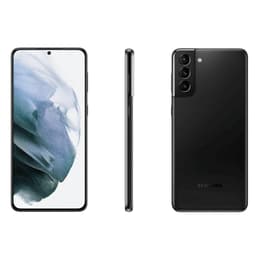
Galaxy S21+ 5G
Galaxy S21+ 5G
Starting at

Refurbished price:200.00

Versus €1,299.99 new

See options
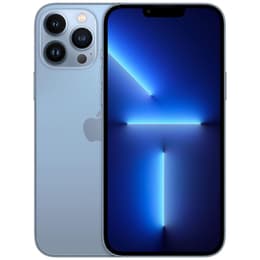
iPhone 13 Pro Max
iPhone 13 Pro Max
Starting at

Refurbished price:369.00

Versus €1,249.00 new

See options

Ratings

The Samsung Galaxy S21 Plus 5G, released in January 2021, and the Apple iPhone 13 Pro Max, launched in September 2021, represent flagship smartphones from their respective manufacturers. While both devices offer premium experiences, they cater to different user preferences through their distinct operating systems and hardware philosophies. The Galaxy S21 Plus 5G operates on Android, offering a customizable interface, whereas the iPhone 13 Pro Max runs on iOS, known for its integrated ecosystem and streamlined user experience. Key differentiators include their camera systems, display technologies, and overall software approaches.

Scores

Durability

When considering the long-term usability of these devices, their release timelines and software support are important factors.

  • Release Timeline: The Samsung Galaxy S21 Plus 5G was introduced in January 2021, while the iPhone 13 Pro Max followed later in September 2021. This eight-month difference means the iPhone 13 Pro Max benefits from a slightly newer hardware generation and a longer potential support window.
  • Software Longevity: The Galaxy S21 Plus 5G launched with Android 11 and is upgradable to Android 14, with Samsung typically providing several years of major OS updates and security patches. The iPhone 13 Pro Max shipped with iOS 15 and is expected to receive updates for a longer duration, with support extending to iOS 26 and potentially beyond, offering a more extended software lifespan. [1, 4, 5, 19, 32]
  • Practical Lifespan: Both devices feature robust builds, including Gorilla Glass Victus on the S21 Plus 5G and Ceramic Shield on the iPhone 13 Pro Max, contributing to their physical durability. [1, 17, 28, 31, 39, 42] Users can expect several years of reliable performance from either device, though the iPhone 13 Pro Max generally offers a longer period of official software support.

Year of Release

2021

2021

Compatible with latest Update

Yes

Yes

OS

Android

iOS

Foldable

No

No

Performance

Both the Galaxy S21 Plus 5G and the iPhone 13 Pro Max deliver strong performance for daily tasks and demanding applications, though they achieve this through different hardware architectures.

  • Everyday Responsiveness: The Galaxy S21 Plus 5G, powered by either a Qualcomm Snapdragon 888 or Exynos 2100 processor depending on the region, handles multitasking and app loading smoothly. [3, 11, 16, 22, 31, 32, 35, 42] The iPhone 13 Pro Max, featuring its A15 Bionic processor, offers a highly responsive experience, excelling in demanding applications and graphically intensive games. [10, 12, 25, 26]
  • Multitasking and Storage: The Galaxy S21 Plus 5G comes with 8GB of RAM, providing ample capacity for running multiple applications simultaneously. [3, 11, 16, 28, 35, 42] It offers storage options of 128GB and 256GB, but lacks expandable storage. [3, 11, 16, 22, 28, 35] The iPhone 13 Pro Max includes 6GB of RAM and a wider range of storage configurations, from 128GB up to 1TB, catering to users with extensive storage needs, also without expandable storage. [4, 5, 6, 10, 17, 19, 20, 25]
  • Battery Behavior: The Galaxy S21 Plus 5G is equipped with a 4800 mAh battery, providing a full day of use for many users. [3, 11, 28, 34, 35] The iPhone 13 Pro Max, with its 4352 mAh battery, is notable for its exceptional battery longevity, often extending to two days of use for many users, making it a strong contender for those prioritizing extended uptime. [12, 20, 23, 25, 26, 30, 33, 38]

Memory (GB)

8 GB

6 GB

Screen quality

The visual experience on both devices is immersive, with each offering a large, vibrant display, but with distinct characteristics.

  • Display Technology and Clarity: The Galaxy S21 Plus 5G features a 6.7-inch Dynamic AMOLED 2X display with a resolution of 1080 x 2400 pixels, resulting in a pixel density of 394 ppi. [3, 7, 11, 22, 31, 32, 34, 35, 39, 42] The iPhone 13 Pro Max boasts a 6.7-inch Super Retina XDR OLED display with a higher resolution of 2778 x 1284 pixels, yielding a sharper 458 ppi. [1, 2, 4, 6, 9, 21, 25, 26] Both displays offer deep blacks and vibrant colors, characteristic of OLED technology.
  • Brightness and Refresh Rate: The Galaxy S21 Plus 5G provides a peak brightness of 1300 nits and an adaptive refresh rate ranging from 48Hz to 120Hz, ensuring smooth scrolling and good visibility in various lighting conditions. [11, 31, 32, 34, 42] The iPhone 13 Pro Max offers a typical brightness of 1000 nits, peaking at 1200 nits for HDR content, and features ProMotion technology for an adaptive refresh rate from 10Hz to 120Hz, contributing to fluid visuals and efficient power consumption. [1, 2, 6, 9, 21, 25, 26]
  • Viewing Experience: Both phones offer large screen sizes that are well-suited for media consumption and productivity. The iPhone 13 Pro Max's higher resolution and slightly brighter HDR performance may offer a more detailed and impactful viewing experience for high-quality content.

Resolution

1080 x 2400

1284 x 2778

Screen type

Dynamic AMOLED 2X

Super Retina XDR OLED

Audiovisual

Both smartphones offer advanced camera systems capable of capturing high-quality photos and videos, though they approach imaging with different strengths.

  • Rear Camera Systems: The Galaxy S21 Plus 5G features a versatile triple-camera setup, including a 12MP wide-angle, a 12MP ultra-wide, and a 64MP telephoto lens with 3x hybrid optic zoom and 30x Space Zoom. [11, 22, 35] The iPhone 13 Pro Max also has a triple 12MP camera system, comprising wide, ultra-wide, and telephoto lenses, with the telephoto offering 3x optical zoom. [2, 13, 21, 25]
  • Photography Performance: The Galaxy S21 Plus 5G is known for producing vibrant and sharp images, with good dynamic range, and offers features like 8K video recording. [15, 31, 36, 41] The iPhone 13 Pro Max excels in low-light photography due to its larger sensor and wider aperture on the main lens, and introduces a macro mode for close-up shots using its ultra-wide camera. [13, 24, 29]
  • Video Capabilities and Audio: The Galaxy S21 Plus 5G supports up to 8K video recording at 24fps and 4K at 60fps, with good stabilization. [15, 31, 36] The iPhone 13 Pro Max offers advanced video features like Cinematic mode, which provides a shallow depth of field, and ProRes video recording for professional-grade footage, with strong video stabilization. [13, 18, 21, 24, 25] Both devices offer capable microphones for recording and clear speaker output for media consumption.

Main camera

12 megapixels

12 megapixels

Front camera

10 megapixels

12 megapixels

Miscellaneous

Beyond core features, several practical elements differentiate these two devices in terms of daily usability and build.

  • Connectivity and Ports: Both devices support 5G connectivity for fast mobile data. The Galaxy S21 Plus 5G includes Wi-Fi 6E and Bluetooth 5.2, utilizing a USB-C port for charging and data transfer. [3, 22] The iPhone 13 Pro Max features Wi-Fi 6 and Bluetooth 5.0, and continues to use Apple's proprietary Lightning port. [4, 5, 17] Neither device includes a 3.5mm headphone jack. [22]
  • Biometric Security and Design: The Galaxy S21 Plus 5G offers an ultrasonic in-display fingerprint sensor and 2D face unlock for security. [28] The iPhone 13 Pro Max relies on Face ID, Apple's advanced facial recognition system. [10] In terms of physical design, the S21 Plus 5G has a glass front and back with an aluminum frame, while the iPhone 13 Pro Max features a Ceramic Shield front and a matte glass back with a stainless steel frame, contributing to its heavier feel. [1, 17, 28, 31, 39, 42]
  • Dimensions and Handling: The Galaxy S21 Plus 5G measures 161.5 x 75.6 x 7.8 mm and weighs around 200-202 grams. [3, 11, 16, 22, 28, 31, 32, 35, 39, 42] The iPhone 13 Pro Max is slightly larger and heavier at 160.8 x 78.1 x 7.65 mm and 240 grams, which can impact one-handed use for some users. [4, 5, 19, 21] Both devices carry an IP68 rating for dust and water resistance. [14, 20, 21, 28, 31, 32, 39]

Weight

200 g

238 g

Width

7,56 cm

7,81 cm

Height

16,15 cm

16,08 cm

Depth

0,78 cm

0,76 cm

Screen size (in)

6.7

6.7

Network

5G

5G

SIM card

Dual Physical SIM + eSIM

Physical SIM + eSIM

Carrier compatibility

Unlocked

Unlocked

User feedback for the Samsung Galaxy S21 Plus 5G often highlights its strong overall performance, vibrant display, and capable camera system for everyday photography. Many users appreciate its smooth operation and the flexibility of the Android operating system. However, some common criticisms include concerns about battery life for heavy users and occasional heating during intensive tasks. The camera, while generally good, is sometimes noted for not being a significant generational leap from its predecessor, particularly in low-light conditions compared to some competitors. [14, 40, 43, 44, 45]

The iPhone 13 Pro Max consistently receives praise for its exceptional battery life, often cited as a two-day phone, and its powerful performance, making it ideal for gaming and demanding applications. Its camera system, particularly for video recording with features like Cinematic mode and ProRes, is highly regarded, as is its bright and smooth 120Hz ProMotion display. Some users note its considerable weight and size as a potential drawback for one-handed use. While the ultra-wide camera is praised for its macro capabilities, some reviews mention minor edge sharpness issues. [12, 13, 20, 21, 23, 24, 25, 26, 30, 33]

Users prioritizing an extended software support timeline, industry-leading video capabilities, and maximum battery endurance may find the iPhone 13 Pro Max well-suited to their needs. Conversely, those who prefer the customization and open nature of Android, along with a slightly lighter device, might lean towards the Galaxy S21 Plus 5G. Both devices offer a premium smartphone experience, and choosing between them often comes down to ecosystem preference and specific feature priorities. For those seeking a quality-assured refurbished option, both models are available, offering a sustainable choice for consumers.


See all articles

Our recent comparisons