

Galaxy S21+ 5G Vs Galaxy S9

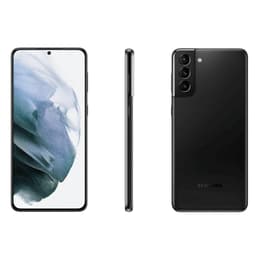
Galaxy S21+ 5G
Galaxy S21+ 5G
Starting at

Refurbished price:200.00

Versus €1,299.99 new

See options
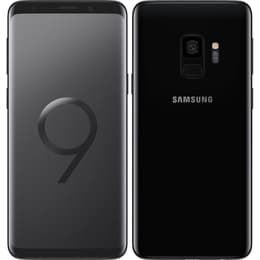
Galaxy S9
Galaxy S9
Starting at

Refurbished price:131.41

Versus €499.00 new

See options

Ratings

The Samsung Galaxy S21 Plus 5G, released in 2021, and the Samsung Galaxy S9, launched in 2018, represent different generations within Samsung's flagship smartphone series. While both devices offer a premium Android experience, the S21 Plus 5G introduces significant advancements in processing power, camera technology, and display refresh rates, reflecting the evolution of smartphone capabilities over several years.

Scores

Durability

The practical lifespan of a smartphone is influenced by its release timeline, software support, and repairability.

  • Release Timeline: The Galaxy S9 was released in March 2018, while the Galaxy S21 Plus 5G launched in January 2021. This three-year difference means the S21 Plus 5G benefits from more recent hardware and a longer potential support window.
  • Software Longevity: The Galaxy S9 originally launched with Android 8.0 and received major OS updates up to Android 10, with security updates concluding around April 2022. The Galaxy S21 Plus 5G, however, launched with Android 11 and is part of Samsung's policy to provide three major Android OS upgrades and four years of security updates, offering a considerably longer period of official software support.
  • Repairability: Both devices present challenges for repair due to their glass construction and the use of strong adhesives. The Galaxy S9 received a low repairability score of 4 out of 10 from iFixit, indicating difficulty in accessing internal components and replacing parts like the display and battery. The Galaxy S21 Plus 5G is also considered tedious to repair, with its battery securely glued, though some components are modular.

Year of Release

2021

2018

Compatible with latest Update

Yes

No

OS

Android

Android

Foldable

No

No

Performance

Performance in smartphones is determined by the efficiency of their internal components, impacting daily operations and demanding applications.

  • Overall Responsiveness: The Galaxy S21 Plus 5G features a more advanced processor, enabling smoother navigation, quicker app loading times, and more efficient multitasking compared to the Galaxy S9. Users will experience a noticeable difference in speed and fluidity with the newer model.
  • Battery Behavior: The Galaxy S9 is equipped with a 3000mAh battery, which users reported typically lasts a full day with moderate use but often requires nightly charging. The Galaxy S21 Plus 5G has a larger 4800mAh battery, providing excellent endurance that can extend through a full day of heavy use, and potentially two days with lighter usage.
  • Storage Options: The Galaxy S9 offered internal storage options of 64GB, 128GB, or 256GB, with the ability to expand storage via a microSD card up to 400GB. The Galaxy S21 Plus 5G comes with 128GB or 256GB of internal storage but does not include a microSD card slot for expansion.

Memory (GB)

8 GB

4 GB

Screen quality

The display is a primary interface, and its quality significantly impacts the user experience.

  • Display Technology and Clarity: The Galaxy S9 features a 5.8-inch Quad HD+ Super AMOLED display with a resolution of 1440x2960 pixels, offering sharp visuals and vibrant colors. The Galaxy S21 Plus 5G has a larger 6.7-inch Dynamic AMOLED 2X display with a Full HD+ resolution of 1080x2400 pixels. While the S9 has a higher pixel density, the S21 Plus 5G's newer panel technology provides excellent color accuracy and brightness.
  • Brightness and Outdoor Visibility: The Galaxy S9's display can reach a peak brightness of 1,130 nits, ensuring good visibility in various lighting conditions. The Galaxy S21 Plus 5G also offers high peak brightness, making it comfortable for outdoor viewing.
  • Refresh Rate: The Galaxy S9 features a standard 60Hz refresh rate. The Galaxy S21 Plus 5G, however, boasts an adaptive refresh rate of up to 120Hz, which provides a smoother scrolling experience and more fluid animations, enhancing the overall visual interaction.

Resolution

1080 x 2400

1440 x 2960

Screen type

Dynamic AMOLED 2X

Super AMOLED

Audiovisual

Camera capabilities are a key differentiator, influencing the quality of photos and videos captured.

  • Rear Camera System: The Galaxy S9 features a single 12-megapixel rear camera with a variable aperture (f/1.5 and f/2.4), designed to perform well in varying light conditions, particularly excelling in low-light photography. The Galaxy S21 Plus 5G comes with a versatile triple-camera setup, including a 12MP wide-angle, a 64MP telephoto with 3x hybrid zoom, and a 12MP ultrawide lens. This configuration offers greater flexibility for different types of shots.
  • Photography Performance: The S9's camera delivers detailed photos with good color saturation, and its variable aperture helps capture clear images in challenging lighting. The S21 Plus 5G produces vibrant and detailed images with impressive dynamic range, and its software enhancements improve depth estimation in portrait mode and overall low-light performance.
  • Video Recording: The Galaxy S9 supports 4K video recording at 30 or 60 frames per second (fps) and features Super Slow-mo at 720p 960fps. The S21 Plus 5G elevates video capabilities with support for up to 8K resolution at 24fps, 4K at 60fps, and 720p at 960fps slow-motion, offering more options for high-quality video capture.

Main camera

12 megapixels

12 megapixels

Front camera

10 megapixels

8 megapixels

Miscellaneous

Beyond core features, several practical elements contribute to the daily usability and overall experience of a smartphone.

  • Connectivity: The Galaxy S9 supports 4G LTE networks. The Galaxy S21 Plus 5G, as its name suggests, offers advanced 5G connectivity, providing faster download and upload speeds in supported areas, alongside Wi-Fi 6 and Bluetooth 5.0.
  • Ports and Sensors: The Galaxy S9 includes a 3.5mm headphone jack and a rear-mounted fingerprint sensor. The Galaxy S21 Plus 5G utilizes a USB-C port for charging and data transfer, and features an in-display fingerprint sensor. It does not have a headphone jack.
  • Build Materials and Dimensions: The Galaxy S9 features a glass front and back with an aluminum frame, weighing 163 grams and measuring 147.7 x 68.7 x 8.5 mm. The Galaxy S21 Plus 5G also has a glass front and back (Gorilla Glass Victus) with an aluminum frame, weighing 200 grams and measuring 161.5 x 75.6 x 7.8 mm, making it a larger and slightly heavier device. Both devices carry an IP68 rating for dust and water resistance.

Weight

200 g

163 g

Width

7,56 cm

6,87 cm

Height

16,15 cm

14,77 cm

Depth

0,78 cm

0,85 cm

Screen size (in)

6.7

5.8

Network

5G

4G

SIM card

Dual Physical SIM + eSIM

Physical SIM

Carrier compatibility

Unlocked

Unlocked

The Samsung Galaxy S21 Plus 5G and Galaxy S9 cater to different user needs, largely due to the significant technological advancements between their release years. User feedback for the Galaxy S9 often praised its camera's low-light performance and its compact design, though some users noted that its battery life was merely adequate for a single day.

For the Galaxy S21 Plus 5G, common praise points include its robust battery life, the smooth experience provided by its high refresh rate display, and the versatility of its camera system. Criticisms sometimes focused on the removal of the microSD card slot and the headphone jack, features present in older models.

Users prioritizing a more modern experience with faster performance, 5G connectivity, a larger and smoother display, and a more advanced camera system for both photos and videos will find the Galaxy S21 Plus 5G well-suited to their needs. Its extended software support also offers a longer period of up-to-date features and security.

Conversely, users who prefer a more compact device, value the presence of a traditional headphone jack, or require expandable storage via a microSD card might lean towards the Galaxy S9. While its software support has ended, it still offers a capable smartphone experience for less demanding tasks.

For those considering either device, exploring quality-assured refurbished options can provide an eco-friendly alternative, extending the life of these products and offering a sustainable choice.


See all articles

Our recent comparisons