

Galaxy S20 FE Vs Xiaomi 13T Pro

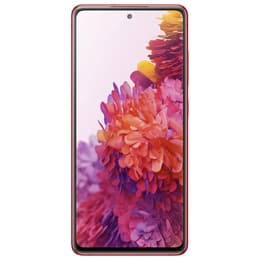
Galaxy S20 FE
Galaxy S20 FE
Starting at

Refurbished price:151.00

Versus €779.00 new

See options
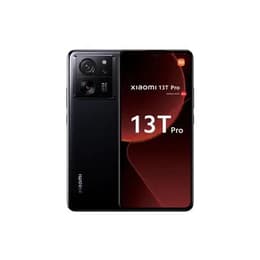
Xiaomi 13T Pro
Xiaomi 13T Pro
Starting at

Refurbished price:245.00

Versus €900.00 new

See options

Ratings

The Samsung Galaxy S20 FE, released in October 2020, and the Xiaomi 13T Pro, launched in September 2023, are both Android smartphones designed to offer a comprehensive feature set. While the Galaxy S20 FE aimed to bring flagship features to a wider audience, the Xiaomi 13T Pro arrived later with advancements in processing power and camera technology. Both devices run on the Android operating system, but they differ significantly in their release timelines and the hardware they offer.

Scores

Durability

When considering the long-term usability of these devices, their release dates and manufacturer support policies are key factors.

  • Release Timeline: The Galaxy S20 FE was released in October 2020, making it an older device compared to the Xiaomi 13T Pro, which launched in September 2023. This difference in release year directly impacts their remaining software support.
  • OS Support Duration: The Galaxy S20 FE typically received three major Android OS updates, likely ending with Android 13, and four years of security updates. The Xiaomi 13T Pro, being a newer device, is promised four years of OS updates and five years of security updates, offering a longer period of official software support.
  • Repairability: The Galaxy S20 FE is considered moderately repairable, scoring around 7.5 out of 10, with components like the battery and screen being accessible, though some adhesive is used. Information on the specific repairability score for the Xiaomi 13T Pro is less widely available, but modern smartphone designs often involve significant use of adhesive, which can complicate repairs.

Year of Release

2020

2023

OS

Android

Android

Foldable

No

No

Performance

The performance of a smartphone is crucial for daily tasks, from app usage to demanding games. These two devices offer different levels of processing power and storage capabilities.

  • Processor Capabilities: The Galaxy S20 FE is powered by a processor that handles everyday applications and multitasking smoothly, providing a responsive user experience for its generation. The Xiaomi 13T Pro features a more recent and powerful processor, enabling it to manage highly demanding applications, intensive gaming, and complex multitasking with greater efficiency and speed.
  • Storage and RAM: The Galaxy S20 FE offers storage options up to 256GB and includes a microSD card slot for expandable storage, which can be beneficial for users with large media libraries. The Xiaomi 13T Pro comes with faster internal storage technology (UFS 4.0) and higher RAM configurations, up to 1TB of storage and 16GB of RAM, providing ample space and improved data access speeds for modern applications, though it lacks expandable storage.
  • Battery Behavior: The Galaxy S20 FE, with its 4500mAh battery, generally provides a full day of use for many users, though heavy usage, especially with the 120Hz display and 5G connectivity, can reduce this. The Xiaomi 13T Pro features a larger 5000mAh battery, often resulting in extended usage times, and supports extremely fast 120W wired charging, capable of fully charging the device in under 20 minutes, a feature not present on the S20 FE.

Memory (GB)

6 GB

16 GB

Screen quality

The display is a primary interface for any smartphone, and both devices offer vibrant viewing experiences with distinct characteristics.

  • Display Technology and Clarity: Both phones feature AMOLED display technology, known for deep blacks and vibrant colors. The Galaxy S20 FE has a 6.5-inch Super AMOLED display with a Full HD+ resolution (1080 x 2400 pixels). The Xiaomi 13T Pro sports a slightly larger 6.67-inch AMOLED display with a higher 1.5K resolution (1220 x 2712 pixels), offering a sharper visual experience.
  • Refresh Rate and Smoothness: Both devices offer a high refresh rate for smoother scrolling and animations. The Galaxy S20 FE features a 120Hz refresh rate. The Xiaomi 13T Pro takes this a step further with a 144Hz refresh rate, which can provide an even more fluid visual experience, particularly noticeable in fast-paced content or gaming.
  • Brightness and Outdoor Visibility: The Xiaomi 13T Pro offers significantly higher peak brightness, reaching up to 2600 nits, which greatly enhances outdoor visibility and HDR content viewing. While the Galaxy S20 FE's display is bright and vibrant, its peak brightness levels are lower, which might make it less comfortable to view under direct sunlight.

Resolution

1080 x 2400

1220 x 2712

Audiovisual

Camera capabilities are a significant consideration for many users, and both smartphones offer versatile camera systems with different strengths.

  • Rear Camera System: The Galaxy S20 FE features a triple rear camera setup with a 12MP wide lens (with OIS), a 12MP ultrawide lens, and an 8MP telephoto lens offering 3x optical zoom (with OIS). The Xiaomi 13T Pro also has a triple rear camera system, co-engineered with Leica, consisting of a 50MP wide lens (with OIS), a 50MP telephoto lens with 2x optical zoom, and a 12MP ultrawide lens. The Xiaomi 13T Pro's larger sensors and Leica tuning can result in more detailed and color-accurate images, especially from the main and telephoto lenses.
  • Low-Light and Everyday Photography: User reviews suggest the Galaxy S20 FE performs well in good lighting conditions, with punchy colors, and its Night mode utilizes the main camera's large sensor for improved low-light shots. The Xiaomi 13T Pro's main camera also excels in low-light, producing well-lit and sharp images, and offers 'Leica Authentic' and 'Leica Vibrant' modes for different color profiles.
  • Video Recording and Front Camera: Both devices support 4K video recording, with the Galaxy S20 FE capable of 4K 60fps from both front and rear cameras. The Xiaomi 13T Pro can record up to 8K at 24fps and 4K at 60fps from its rear cameras, but its ultrawide is capped at 4K 30fps and the front camera at 1080p 30fps for video with stabilization. The Galaxy S20 FE has a 32MP front camera, while the Xiaomi 13T Pro has a 20MP front camera, with some user feedback indicating the 13T Pro's selfie camera can be softer in detail.

Miscellaneous

Beyond core performance and display, several practical features contribute to the overall user experience.

  • Connectivity Options: Both smartphones support 5G connectivity for faster mobile data speeds. The Galaxy S20 FE includes Wi-Fi 6 and Bluetooth 5.0. The newer Xiaomi 13T Pro features more advanced connectivity with Wi-Fi 7 and Bluetooth 5.4, offering potentially faster and more stable wireless connections.
  • Ports and Sensors: Both devices utilize a USB-C port for charging and data transfer and lack a traditional 3.5mm headphone jack. For biometric security, the Galaxy S20 FE features an optical in-screen fingerprint sensor. The Xiaomi 13T Pro also includes an under-display optical fingerprint sensor, which is generally fast and reliable.
  • Build Materials and Durability: The Galaxy S20 FE features a glass front (Gorilla Glass 3), a plastic back, and an aluminum frame, offering IP68 dust and water resistance. The Xiaomi 13T Pro comes with either a glass or vegan leather back, an aluminum frame, and also boasts an IP68 rating for dust and water resistance, providing robust protection against environmental elements.

Weight

190 g

206 g

Screen size (in)

6.5

6.67

Network

4G

5G

SIM card

Dual Physical SIM

Physical SIM + eSIM

Carrier compatibility

Unlocked

Unlocked

The Samsung Galaxy S20 FE and Xiaomi 13T Pro cater to different user priorities, largely due to their respective release dates and the technological advancements that separate them.

Users often praise the Galaxy S20 FE for its consistent performance, vibrant Super AMOLED display with a 120Hz refresh rate, and a versatile camera system that delivers good results in various conditions. Its expandable storage is also a frequent highlight. Some common criticisms include its plastic back (though some find it practical), and the selfie camera's performance in challenging lighting. The battery life is generally considered good, though it can be impacted by heavy use of high-refresh-rate and 5G features.

The Xiaomi 13T Pro, being a more recent release, receives commendation for its powerful processor, which handles demanding tasks and gaming with ease, its exceptionally bright and smooth 144Hz AMOLED display, and its impressive Leica-tuned camera system, particularly the main and telephoto lenses. Its ultra-fast 120W wired charging is a significant advantage for users needing quick power-ups. However, some users note that the selfie camera could offer more detail, and the absence of wireless charging might be a drawback for some. The prominent camera bump is also a design element that some users find noticeable.

Users prioritizing a device with a proven track record, expandable storage, and wireless charging capabilities may find the Galaxy S20 FE well-suited to their needs. Conversely, those who prioritize cutting-edge performance, a superior display, faster wired charging, and a longer software update commitment will likely lean towards the Xiaomi 13T Pro. Both devices offer a robust Android experience, and choosing between them depends on which set of features aligns best with individual usage patterns and preferences. For those looking for an eco-friendly alternative, both models are available as quality-assured refurbished options, providing a sustainable choice for consumers.


See all articles

Our recent comparisons