

Galaxy A56 Vs iPhone 15 Pro Max

Galaxy A56
Galaxy A56
Starting at

Refurbished price:259.00

Versus €502.00 new

See options
iPhone 15 Pro Max
iPhone 15 Pro Max
Starting at

Refurbished price:601.25

Versus €1,489.00 new

See options

Ratings

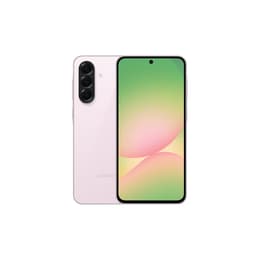
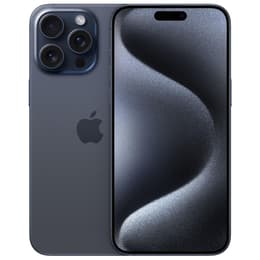
The Samsung Galaxy A56 (2025) and the iPhone 15 Pro Max (2023) represent distinct approaches to smartphone design and functionality, catering to different user priorities. While the Galaxy A56 offers a balanced Android experience with a focus on accessibility and long-term software support, the iPhone 15 Pro Max stands as a premium iOS device, emphasizing advanced performance, sophisticated camera capabilities, and a robust ecosystem. Their core differences lie in their operating systems, processing power, and camera systems, influencing their suitability for various daily tasks and user needs.

Scores

Durability

When considering the longevity of these devices, several factors come into play, including their release timelines, software support, and physical durability.

  • Release Timeline: The Samsung Galaxy A56 was released in March 2025, making it a more recent device compared to the iPhone 15 Pro Max, which launched in September 2023. This difference in release dates inherently grants the Galaxy A56 a longer potential lifespan in terms of being a current-generation device.
  • Software Support: Samsung has committed to providing the Galaxy A56 with 6 Android OS upgrades and 6 years of security updates, with support expected to end in 2031. The iPhone 15 Pro Max, running on iOS, typically receives 5-6 years or more of major software updates from its release date, ensuring a substantial period of software relevance.
  • Repairability and Build: The Galaxy A56 features an aluminum frame and Corning Gorilla Glass Victus+ on both the front and back, along with an IP67 rating for dust and water resistance. Its predecessor, the Galaxy A55, received a high repairability score of 8.5 out of 10, with the A56 expected to maintain or improve upon this due to design enhancements. The iPhone 15 Pro Max boasts a titanium frame, Ceramic Shield front, and an IP68 rating. While initially receiving a lower repairability score, it was later updated to 7 out of 10 due to software changes that facilitate part calibration, though independent repairs can still be challenging.

Year of Release

2025

2023

Compatible with latest Update

Yes

Yes

OS

Android

iOS

Foldable

No

No

Performance

The performance of a smartphone is largely dictated by its internal components and how efficiently they handle various tasks, from everyday browsing to demanding applications.

  • Processing Power: The Galaxy A56 is equipped with a 4nm Exynos 1580 chipset, featuring an octa-core CPU and an Xclipse 540 GPU. This configuration is designed to provide smooth operation for daily use and capable handling of moderate gaming and multitasking. The iPhone 15 Pro Max is powered by the A17 Pro chip, a 3nm processor with a 6-core CPU, 6-core GPU, and a 16-core Neural Engine. This advanced chip delivers exceptional performance, making it well-suited for intensive gaming, professional-grade applications, and complex computational tasks.
  • Multitasking and Storage: The Galaxy A56 offers 8GB or 12GB of RAM and comes with 128GB or 256GB of internal storage, utilizing UFS 3.1 for fast data access. It does not support expandable storage. The iPhone 15 Pro Max includes 8GB of RAM and is available with 256GB, 512GB, or 1TB of internal storage. Both devices provide ample storage for most users, though the iPhone offers higher maximum capacity.
  • Battery Behavior: The Galaxy A56 is equipped with a 5000 mAh battery. Its predecessor, the A55, demonstrated strong battery life, often lasting a full day of heavy use with 30-40% remaining, and an active use score of over 13 hours. The iPhone 15 Pro Max features a 4422 mAh battery. Users generally report excellent battery life, with some tests showing over 14 hours of continuous web surfing over 5G, and many users finding it lasts a full day even with heavy usage.

Memory (GB)

8 GB

8 GB

Screen quality

The display is a primary interface for smartphone interaction, and its quality significantly impacts the user experience.

  • Display Technology and Clarity: The Galaxy A56 features a 6.7-inch Super AMOLED display with a resolution of 1080 x 2340 pixels, resulting in approximately 385 pixels per inch (ppi). This technology delivers vibrant colors and deep blacks, providing a clear viewing experience for everyday content. The iPhone 15 Pro Max sports a 6.7-inch Super Retina XDR OLED display with a higher resolution of 2796 x 1290 pixels, translating to approximately 460 ppi. This results in sharper text and more detailed images.
  • Brightness and Refresh Rate: Both devices offer a 120Hz refresh rate, contributing to smoother scrolling and more fluid animations. The Galaxy A56 can reach up to 1200 nits in High Brightness Mode (HBM) and 1900 nits peak brightness, ensuring good visibility in various lighting conditions. The iPhone 15 Pro Max offers 1000 nits typical brightness, 1600 nits peak for HDR content, and an impressive 2000 nits peak brightness for outdoor use, providing excellent readability even in direct sunlight.
  • Additional Display Features: The iPhone 15 Pro Max includes Apple's ProMotion technology for adaptive refresh rates, the Dynamic Island for interactive alerts and activities, and an Always-On display. Both displays are protected by durable glass, with the A56 using Gorilla Glass Victus+ and the iPhone 15 Pro Max featuring Ceramic Shield.

Resolution

1080 x 2340

1290 x 2796

Screen type

Super AMOLED

LTPO Super Retina XDR OLED

Audiovisual

Camera capabilities are a significant differentiator, influencing how users capture and share their experiences.

  • Rear Camera Systems: The Galaxy A56 features a triple-camera setup on the rear, including a 50MP main sensor with optical image stabilization (OIS), a 12MP ultrawide lens, and a 5MP macro lens. The iPhone 15 Pro Max boasts a Pro camera system with a 48MP main sensor (with second-generation sensor-shift OIS), a 12MP ultrawide lens with a 120-degree field of view, and a 12MP 5x telephoto lens featuring a tetraprism design and 3D sensor-shift OIS, offering a 120mm equivalent focal length.
  • Photography Performance: The Galaxy A56's main camera is noted for good daylight photos and decent low-light performance when using Night Mode, with AI features for enhanced subject detection. The iPhone 15 Pro Max delivers excellent photo quality across various conditions, particularly excelling in low light and offering advanced features like ProRAW for greater editing flexibility. The dedicated 5x telephoto lens on the iPhone provides superior optical zoom capabilities.
  • Video Recording and Front Camera: Both phones support 4K video recording at 30fps. The iPhone 15 Pro Max offers more advanced video features, including ProRes video, Cinematic mode (4K@24/30fps), and 3D (spatial) video recording, along with robust stabilization. For selfies, the Galaxy A56 has a 12MP front camera, while the iPhone 15 Pro Max also features a 12MP front camera with autofocus and advanced computational photography.

Main camera

4K@30fps

48 megapixels

Front camera

13 megapixels

12 megapixels

Miscellaneous

Beyond core performance and camera, several practical features contribute to the overall user experience and daily convenience.

  • Connectivity and Ports: The Galaxy A56 supports Wi-Fi 6, Bluetooth 5.3, NFC, and uses a USB Type-C 2.0 port. The iPhone 15 Pro Max features Wi-Fi 6E, Bluetooth 5.3, NFC, and a more advanced USB Type-C 3.0 port with DisplayPort support, allowing for faster data transfer and external display connectivity. Both devices offer 5G connectivity.
  • Biometrics and Design: The Galaxy A56 includes an in-display optical fingerprint sensor for secure unlocking. The iPhone 15 Pro Max relies on Face ID for biometric authentication. The iPhone also introduces a customizable Action Button, which can be programmed for quick access to various functions.
  • Physical Attributes: The Galaxy A56 measures 162.2 x 77.5 x 7.4 mm and weighs 198g. The iPhone 15 Pro Max has dimensions of 159.9 x 76.7 x 8.3 mm and weighs 221g. The iPhone's titanium frame contributes to its relatively light weight for its size.

Weight

197 g

221 g

Screen size (in)

6.5

6.7

Network

5G

5G

SIM card

Dual Physical SIM + eSIM

Physical SIM + eSIM

Carrier compatibility

Unlocked

Unlocked

Connector

USB-C

USB-C (USB 3)

The Samsung Galaxy A56 and iPhone 15 Pro Max cater to different segments of the smartphone market, each with distinct strengths. User feedback for the Galaxy A56, drawing from its predecessor and early reviews, often praises its vibrant Super AMOLED display, reliable battery life that can last through a full day of heavy use, and its commitment to long-term software updates. Its camera system is generally considered capable for everyday photography, especially in good lighting, and its repairability is noted as a positive aspect.

Conversely, the iPhone 15 Pro Max receives consistent acclaim for its exceptional processing power, which enables smooth performance across demanding applications and high-fidelity gaming. Its advanced camera system, particularly the 5x telephoto lens and strong low-light performance, is a frequent highlight, along with its bright and sharp OLED display. Some users have noted initial software quirks or challenges with independent repairs, but overall sentiment points to a highly polished and powerful device.

Users prioritizing an extensive software update commitment, a highly repairable device, and a balanced Android experience for daily tasks and moderate media consumption may find the Samsung Galaxy A56 well-suited to their needs. Its strong battery performance and vibrant display make it a practical choice. On the other hand, users who demand cutting-edge performance for intensive applications, a versatile and high-quality camera system with advanced zoom capabilities, and a premium iOS ecosystem will likely lean towards the iPhone 15 Pro Max. Its superior display brightness and robust build materials also appeal to those seeking a top-tier device.

For those evaluating their options, considering a quality-assured refurbished alternative for either model can be an eco-friendly choice that aligns with sustainable consumption practices.


See all articles

Our recent comparisons