

Compare models
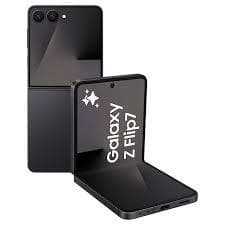
Galaxy A56 Vs Galaxy Z Flip7
- 1-year minimum warranty
- Free delivery on all orders
- Free 30-day returns
Differences at a glance
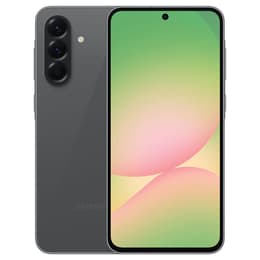
The Samsung Galaxy A56 (2025) and the Samsung Galaxy Z Flip7 (2025) represent two distinct approaches to modern smartphone engineering within the Android ecosystem, balancing a traditional mid-range slab design with an innovative foldable clamshell format. While both devices run on the Android operating system paired with Samsung's One UI interface, they diverge fundamentally in form factor, everyday handling, and hardware positioning. This comparison explores how their physical design, performance profiles, and user capabilities contrast to help you identify which option suits your daily routine.
Available Models
Colour
Storage
Scores
Durability
When evaluating structural longevity and software support, both devices benefit from Samsung's extended update policy, though their physical construction introduces different handling considerations.
- Software Longevity: Both models receive multi-year operating system upgrades and security patches, helping ensure long-term system stability and safety.
- Build and Repairability: The Galaxy A56 utilizes a standard rigid body structure that offers straightforward maintenance, whereas the Galaxy Z Flip7 features a complex folding hinge mechanism that requires specialized care for its flexible display panel.
- Expected Lifespan: Traditional slab smartphones like the Galaxy A56 typically endure regular drops and pocket wear with predictable durability, while foldable devices require mindfulness regarding screen crease protection over years of continuous folding cycles.
Year of Release
2025
2025
Compatible with latest Update
Yes
Yes
OS
Android
Android
Foldable
No
Yes
Performance
Underneath their exteriors, these phones manage multitasking and demanding applications differently due to their varying hardware classes and memory allocations.
- Multitasking and Memory: The Galaxy Z Flip7 is equipped with higher baseline RAM configurations designed to handle intensive processing demands smoothly, while the Galaxy A56 handles everyday tasks, web browsing, and casual gaming efficiently with its balanced mid-range processing setup.
- Storage Capacity: Users can choose between multiple storage configurations depending on personal archiving needs, though neither model supports physical card expansion.
- Thermal and Battery Behavior: The Galaxy A56 incorporates a traditional battery capacity that comfortably manages standard daily use, whereas the compact footprint of the Galaxy Z Flip7 relies on optimized power management to sustain a full day of mixed use given its smaller physical volume.
Screen quality
Display technology is a primary differentiator, contrasting a conventional wide viewing panel against a unique foldable screen structure.
- Display Technology: The Galaxy A56 features a flat, vibrant Super AMOLED panel with consistent brightness across a traditional rectangular layout, while the Galaxy Z Flip7 utilizes a dynamic folding display paired with an expanded outer cover screen for quick interactions.
- Clarity and Refresh Rate: Both screens support smooth 120Hz refresh rates for fluid scrolling, alongside high peak brightness levels that ensure outdoor legibility under direct sunlight.
- Viewing Experience: The Galaxy A56 provides an uninterrupted canvas ideal for media consumption and document reading, while the Galaxy Z Flip7 introduces a distinctive center crease on its main folding screen alongside unique half-folded viewing angles.
Resolution
1080 x 2340
1080x2520
Audiovisual
Imaging capabilities cater to different photography habits, offering versatile lenses and media recording tools.
- Camera Systems: The Galaxy A56 features a reliable triple-lens rear array including a primary high-resolution sensor and an ultra-wide option, whereas the Galaxy Z Flip7 utilizes a streamlined dual-lens setup optimized for flexible positioning and hands-free framing.
- Low-Light and Video: Both models incorporate optical image stabilization to reduce blur during video recording and evening photography, delivering clear results across varied lighting conditions.
- Media and Audio: Stereo speaker output provides clear sound for calls and casual video playback, supported by crisp multi-microphone arrays that isolate voice input during video calls.
Main camera
4K@30fps
50 megapixels
Front camera
13 megapixels
10 megapixels
Miscellaneous
Practical daily usability elements shape how each device integrates into travel, work, and connectivity routines.
- Connectivity and Ports: Both models support current 5G cellular networks, modern Wi-Fi standards, and Bluetooth pairing, utilizing reversible Type-C ports for charging and data transfer.
- Security Sensors: The Galaxy A56 integrates an optical fingerprint reader beneath its display, while the Galaxy Z Flip7 places its biometric fingerprint sensor conveniently along the side power button.
- Physical Handling: The Galaxy A56 offers a standard lightweight slab profile in the hand, whereas the Galaxy Z Flip7 folds down into a compact square shape that slips easily into smaller pockets or bags.
Weight
197 g
188 g
Screen size (in)
6.5
6.9
Network
5G
5G
SIM card
Dual Physical SIM + eSIM
Physical SIM + eSIM
Carrier compatibility
Unlocked
Unlocked
Connector
USB-C
USB-C
What the community thinks
User feedback from online communities highlights distinct preferences for each device based on lifestyle and utility. Owners of the Galaxy A56 frequently praise its reliable battery performance, robust traditional build, and dependable everyday speed. Conversely, users of the Galaxy Z Flip7 often emphasize the convenience of its compact folded pocket size, versatile hands-free camera angles, and functional cover screen. Common discussions note that traditional slab designs offer simpler long-term durability, while foldable devices require a more cautious handling approach due to the flexible inner display.
Users prioritizing a sturdy, traditional smartphone experience with straightforward durability will find the Galaxy A56 well-suited to their daily routines. Meanwhile, users prioritizing pocket-friendly portability, innovative folding mechanics, and flexible media angles may lean toward the Galaxy Z Flip7. For those mindful of environmental impact, exploring a quality-assured refurbished option provides a sustainable choice that aligns electronic upgrades with responsible consumption. Ultimately, the choice depends on whether a traditional rectangular layout or a flexible folding format better complements your personal workflow.