

Compare models

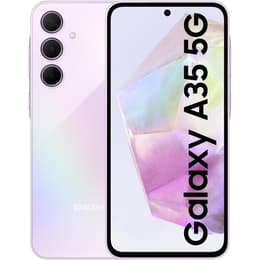
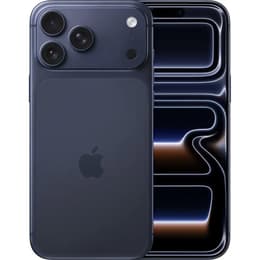
Galaxy A35 Vs iPhone 17 Pro Max

  • 1-year minimum warranty
  • Free delivery on all orders
  • Free 30-day returns
Galaxy A35
Starting at

Refurbished price:€218.00

Versus €429.00 new

See options
iPhone 17 Pro Max
Starting at

Refurbished price:€1,054.00

Versus €1,489.00 new

See options

Differences at a glance

The Samsung Galaxy A35 (2024) and the Apple iPhone 17 Pro Max (2025) occupy distinct positions in the mobile landscape, catering to entirely different user preferences and ecosystems. While the Galaxy A35 focuses on delivering reliable everyday functionality within the Android platform, the iPhone 17 Pro Max stands as a high-end flagship running iOS. Choosing between them depends largely on desired operating systems, hardware sophistication, and individual usage patterns.

Available Models

Colour

Storage

Scores

Durability

Durability and software support expectations vary significantly between these two models due to their release timelines and hardware classes.

  • Software longevity and OS updates: The iPhone 17 Pro Max benefits from an extended software support window typical of Apple flagship devices, whereas the Galaxy A35 offers a structured multi-year update schedule suited to its mid-range category.
  • Build and repairability: Both devices feature robust dust and water resistance ratings, though their physical construction materials and ease of professional repair differ according to their respective manufacturing standards.
  • Expected practical lifespan: Users can anticipate solid long-term usability from both models, with the higher-tier hardware headroom of the iPhone providing an extra margin for future demanding software requirements.

Year of Release

2024

2025

Compatible with latest Update

Yes

Yes

OS

Android

iOS

Foldable

No

No

Performance

Processing power and multitasking capabilities reflect the contrasting tiers and internal architectures of both smartphones.

  • Everyday responsiveness and app loading: The iPhone 17 Pro Max handles demanding applications, intensive graphics, and rapid multitasking with exceptional fluency, while the Galaxy A35 manages daily tasks, social media, and moderate browsing smoothly.
  • Battery behavior and endurance: Both handsets offer dependable daily battery life under normal conditions, though heavy gaming or prolonged media recording will draw down power faster on both devices.
  • Memory and storage configurations: Available storage tiers differ between the platforms, with options ranging from standard capacities to expansive storage configurations designed for large media libraries.

Screen quality

Display characteristics on both phones deliver sharp, clear viewing experiences tailored to media consumption and daily navigation.

  • Display technology and clarity: The Galaxy A35 features a vibrant Super AMOLED screen, while the iPhone 17 Pro Max utilizes an advanced OLED panel with deep contrast levels and rich color reproduction.
  • Brightness and outdoor visibility: Both screens reach high peak brightness levels, ensuring content remains legible under direct sunlight or bright outdoor environments.
  • Refresh rate and scrolling smoothness: Both devices support high refresh rate technology, providing fluid motion during web browsing, scrolling through menus, and navigating the interface.

Resolution

1080 x 2340

2868x1320

Screen type

Super AMOLED

Super Retina XDR

Audiovisual

Photography and media capture capabilities span versatile lens arrays and sophisticated computational processing systems.

  • Rear camera versatility: The iPhone 17 Pro Max provides an advanced multi-lens configuration including high-resolution sensors and optical zoom capabilities, while the Galaxy A35 equips a practical triple-camera setup for everyday snapshots and wide scenes.
  • Low-light and video performance: Apple's flagship excels in challenging lighting conditions and professional-grade video recording features, whereas the Samsung alternative captures dependable photos and stable clips for casual sharing.
  • Audio and media output: Stereo speaker setups on both models deliver clear sound quality for hands-free calls, video viewing, and casual audio playback.

Main camera

50 megapixels

48 megapixels

Front camera

13 megapixels

18 megapixels

Miscellaneous

Practical everyday features, physical dimensions, and connectivity options shape how each phone handles in daily use.

  • Connectivity and standards: Both smartphones support modern 5G networks, fast Wi-Fi standards, and Bluetooth pairing for seamless accessory connection.
  • Physical handling and weight: The Galaxy A35 presents a comfortable, balanced profile in the hand, whereas the larger iPhone 17 Pro Max offers a more substantial feel due to its expansive screen size and robust build.
  • Biometric security: Security authentication utilizes secure facial recognition on the Apple device and an in-display fingerprint sensor on the Samsung model.

Weight

209 g

233 g

Screen size (in)

6.6

6.9

Network

5G

5G

SIM card

Dual Physical SIM

eSIM

Carrier compatibility

Unlocked

Unlocked

Connector

USB-C

USB-C

What the community thinks

When evaluating user feedback across online communities, owners of the Galaxy A35 frequently praise its reliable battery life, bright display, and dependable performance for daily communication tasks. Some users note that heavy multitasking can occasionally slow down demanding applications. Conversely, users of the iPhone 17 Pro Max highlight its exceptional camera versatility, smooth processing speeds, and premium build quality, though a few mention its heavier physical footprint and larger size as minor adjustments.

Users prioritizing straightforward everyday functionality, media consumption, and a traditional Android interface will find the Galaxy A35 well-suited to their needs. Meanwhile, users prioritizing advanced photographic tools, maximum processing headroom, and the iOS ecosystem may lean toward the iPhone 17 Pro Max. For buyers exploring sustainable choices, a quality-assured refurbished option provides an eco-friendly alternative that reduces electronic waste without sacrificing performance standards. Ultimately, aligning device capabilities with personal workflow requirements ensures a satisfying long-term choice.


Our recent comparisons






