
iPhone

Compare models
Differences at a glance
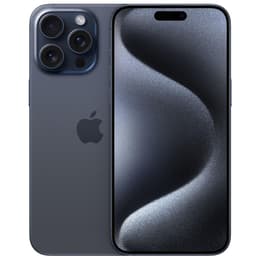
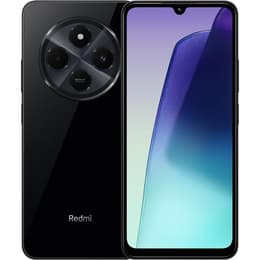
The iPhone 15 Pro Max, released in September 2023, represents Apple's top-tier smartphone offering, running on the iOS ecosystem. In contrast, the Xiaomi Redmi 13C, launched in late 2023, is an Android-based device positioned in the entry-level segment. These two phones cater to distinct user needs, with the iPhone prioritizing advanced performance and premium features, while the Redmi focuses on essential smartphone functionalities and accessibility. The primary differentiators lie in their operating systems, processing power, and camera capabilities.
Colour
Storage
When considering the long-term usability of these devices, their release timelines and software support are key factors. The iPhone 15 Pro Max, launched in September 2023, benefits from Apple's extended software support policy, typically receiving major iOS updates for six to eight years from its release. Apple has guaranteed a minimum of five years of security updates for the iPhone 15 Pro Max from its supply date of September 22, 2023. This extended support ensures access to new features, security patches, and performance improvements over a significant period. The device also features a durable titanium frame and Ceramic Shield front cover, contributing to its physical longevity.
The Xiaomi Redmi 13C, released in late 2023, typically receives a shorter duration of major Android operating system updates, often around two to three years, followed by security updates for a few more years. While it includes Corning Gorilla Glass for screen protection, its overall build materials are generally less robust than those of premium devices. Users prioritizing maximum software longevity and robust physical durability will find the iPhone 15 Pro Max better suited for extended use.
Year of Release
Compatible with latest Update
OS
Foldable
The performance capabilities of these two smartphones cater to vastly different user expectations and tasks. The iPhone 15 Pro Max is equipped with an advanced processor designed for demanding applications, intensive gaming, and seamless multitasking. Users report a very smooth and responsive experience, even with graphically intensive games and heavy workloads. Its internal architecture allows for efficient handling of multiple applications simultaneously without noticeable slowdowns. Storage options for the iPhone 15 Pro Max range from 256GB up to 1TB, providing ample space for extensive media libraries and applications.
The Xiaomi Redmi 13C features an octa-core processor that provides smooth and stable performance for everyday tasks such as web browsing, social media, and light gaming. It is well-suited for users who require reliable functionality for common smartphone activities. The Redmi 13C offers flexible storage configurations, including options up to 256GB internally, which can be expanded further using a microSD card up to 1TB. Both devices offer substantial battery capacity, with the iPhone 15 Pro Max providing extended usage for power users, and the Redmi 13C's 5000mAh battery ensuring a full day of use for typical activities.
The visual experience offered by these two devices differs significantly due to their display technologies and specifications. The iPhone 15 Pro Max features a 6.7-inch Super Retina XDR OLED display, which provides deep blacks, vibrant colors, and excellent contrast. Its ProMotion technology enables an adaptive refresh rate up to 120Hz, resulting in exceptionally smooth scrolling and responsive interactions. The display also boasts high resolution (2796x1290 pixels) and impressive brightness levels, reaching up to 2000 nits peak brightness outdoors, ensuring clear visibility even in direct sunlight.
The Xiaomi Redmi 13C comes with a 6.74-inch IPS LCD display, offering a large viewing area suitable for media consumption. It has a resolution of 1600x720 pixels (HD+), which is adequate for everyday viewing. The screen supports a refresh rate of up to 90Hz, providing a smoother experience than standard 60Hz displays. Typical brightness is around 450 nits, with a peak of 600 nits in High Brightness Mode, which is suitable for indoor use and moderate outdoor conditions. The Redmi 13C also includes certifications for low blue light and flicker-free viewing, aiming to reduce eye strain.
Resolution
Screen type
The camera systems on the iPhone 15 Pro Max and the Xiaomi Redmi 13C are designed for different levels of photographic capability and versatility. The iPhone 15 Pro Max features a professional-grade triple-camera system, including a 48MP main sensor, a 12MP ultra-wide lens, and a 12MP 5x telephoto lens with advanced optical image stabilization. This setup excels in various lighting conditions, offering exceptional detail, dynamic range, and color accuracy, particularly in low-light scenarios. It supports advanced video features like Cinematic mode, ProRes video recording, and Spatial video, providing extensive creative control for both photography and videography.
The Xiaomi Redmi 13C is equipped with a 50MP AI triple camera system, primarily relying on its main sensor for photography. It performs well in good lighting conditions, capturing decent detail and color for everyday photos. The camera includes modes such as HDR, Night mode, and Portrait mode, enhancing its versatility. However, its performance in challenging low-light environments is more limited compared to the iPhone. Video recording capabilities on the Redmi 13C are suitable for casual use, supporting up to 1080p at 30 frames per second. The front camera on both devices is capable of capturing clear selfies and supporting video calls, with the iPhone 15 Pro Max offering a 12MP TrueDepth camera with autofocus.
Main camera
Front camera
Beyond core performance and camera, several practical elements differentiate these two devices in daily use. The iPhone 15 Pro Max features a premium titanium frame, contributing to its robust yet lightweight design, and includes an Action Button for customizable shortcuts. It utilizes a USB-C port for charging and data transfer, and supports advanced connectivity standards like Wi-Fi 6E and Bluetooth 5.3. For security, it relies on Face ID for biometric authentication. The device weighs 221 grams.
The Xiaomi Redmi 13C typically features a more utilitarian design, often with a plastic build, making it lighter at 192 grams. It also uses a USB Type-C port for charging and data. Connectivity includes standard Wi-Fi and Bluetooth, and some regional variants may offer NFC for contactless payments. For biometric security, the Redmi 13C often includes a side-mounted or rear fingerprint sensor. It also retains a 3.5mm headphone jack, a feature absent on the iPhone 15 Pro Max, which can be a convenience for users with wired audio accessories.
Weight
Screen size (in)
Network
SIM card
Carrier compatibility
The iPhone 15 Pro Max and the Xiaomi Redmi 13C serve different segments of the smartphone market, each with its own set of strengths and considerations. User feedback for the iPhone 15 Pro Max often highlights its exceptional camera capabilities, powerful performance for demanding tasks, and vibrant display. Some initial concerns about overheating were largely addressed through software updates, and many users praise its long battery life. Criticisms sometimes revolve around its size and weight, which some users find substantial.
For the Xiaomi Redmi 13C, common praise points include its reliable performance for everyday use, large display, and impressive battery life. Users appreciate its expandable storage and the inclusion of a headphone jack. Potential concerns for some users might include the display's resolution compared to higher-end devices and its camera performance in challenging lighting conditions. Overall, the Redmi 13C is often seen as a dependable device for essential smartphone functions.
Users prioritizing a premium experience with cutting-edge camera technology, top-tier performance, and extended software support will find the iPhone 15 Pro Max well-suited to their needs. Conversely, users who prioritize essential smartphone functions, a large display, and long battery life for daily tasks, without requiring the most advanced features, may lean toward the Xiaomi Redmi 13C. Both devices are available as quality-assured refurbished options, providing an eco-friendly alternative for consumers.