


Compare models
iPhone 14 Pro Max Vs iPhone Air
- 1-year minimum warranty
- Free delivery on all orders
- Free 30-day returns
Differences at a glance
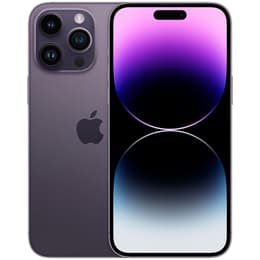
The iPhone 14 Pro Max (2022) and the iPhone Air (2025) represent two distinct philosophies within Apple's smartphone lineup, balancing maximum feature density against breakthrough physical minimalism. While the iPhone 14 Pro Max focuses on a comprehensive multi-lens camera array and robust physical endurance, the iPhone Air introduces an ultra-thin profile and a lightweight construction designed for effortless handling. Both run on Apple's iOS ecosystem, though they originate from different hardware generations.
Available Models
Colour
Storage
Scores
Durability
When evaluating the longevity of these devices, differences in their release timelines and design engineering shape how long they will remain practical daily drivers.
- Release timeline and software support: The iPhone 14 Pro Max arrived in late 2022, whereas the iPhone Air launched in late 2025. Because of its newer release date, the iPhone Air will receive official software updates for several years beyond its older counterpart.
- Repairability and durability design: Both handsets feature durable glass-and-metal construction with advanced water resistance ratings, though the iPhone Air utilizes newer protective glass compositions. The larger interior volume of the iPhone 14 Pro Max allows for a traditional internal layout, while the ultra-thin chassis of the iPhone Air requires tightly integrated component placement.
- Expected practical lifespan: Users can expect both models to function smoothly for years, though the newer processor architecture in the iPhone Air provides additional headroom for future software demands.
Year of Release
2022
2025
Compatible with latest Update
Yes
Yes
OS
iOS
iOS
Foldable
No
No
Performance
Under everyday conditions, both smartphones handle standard tasks smoothly, but their internal capabilities differ in handling heavy computational loads and multitasking.
- Processor capabilities and everyday speed: Both devices open apps quickly, navigate menus fluidly, and handle web browsing without hesitation. However, the newer internal hardware in the iPhone Air offers advanced graphics capabilities and faster processing speeds for demanding applications and rendering tasks.
- Battery behavior and daily endurance: The larger body of the iPhone 14 Pro Max accommodates a high-capacity battery that easily handles prolonged media consumption and heavy daily workflows. The slim profile of the iPhone Air houses a smaller physical battery, meaning frequent users may need a midday recharge during heavy usage days.
- Memory and multitasking: Ample random access memory across both models allows background applications to remain open without constant reloading, ensuring seamless switching between productivity tools and media apps.
Screen quality
Both smartphones feature bright, vibrant OLED display panels that deliver deep blacks and crisp text rendering for daily media consumption.
- Display technology and clarity: Each model utilizes advanced display panels that automatically adjust refresh rates for smooth scrolling and responsive touch interactions. Text and images appear sharp and detailed under typical viewing distances.
- Outdoor visibility: High peak brightness capabilities ensure that screens on both devices remain legible when used under direct sunlight or in brightly lit environments.
- Physical dimensions: The iPhone 14 Pro Max provides a larger canvas suited for split-screen workflows and expansive viewing, while the iPhone Air offers a slightly more compact viewing area inside a significantly lighter housing.
Resolution
1290 x 2796
2736x1260
Screen type
LTPO Super Retina XDR OLED
Super Retina XDR
Audiovisual
Photographic capabilities diverge significantly between these two models due to their contrasting internal space constraints and lens configurations.
- Camera system versatility: The iPhone 14 Pro Max features a versatile multi-lens layout including a dedicated telephoto zoom lens for distant subjects. In contrast, the iPhone Air adopts a streamlined single-lens approach housed within an elevated camera plateau to maintain its thin profile.
- Everyday and low-light photography: Both devices capture natural colors, crisp details, and balanced exposures in standard lighting conditions. Advanced image processing helps both models manage challenging shadows and bright highlights effectively.
- Audio and media output: Stereo speaker setups on both smartphones deliver clear dialogue for calls and videos, though the larger acoustic chambers in the iPhone 14 Pro Max provide slightly fuller sound depth.
Main camera
48 megapixels
48 megapixels
Front camera
12 megapixels
18 megapixels
Miscellaneous
Practical daily usability is influenced by physical dimensions, connectivity standards, and hardware port designs.
- Port types and connectivity: The iPhone 14 Pro Max relies on a traditional proprietary connector for wired charging and data transfer, whereas the newer iPhone Air adopts the universal USB-C standard alongside modern wireless communication protocols.
- Weight and handling ergonomics: Weighing significantly less and featuring a remarkably slim profile, the iPhone Air reduces hand fatigue during prolonged one-handed use. The iPhone 14 Pro Max feels substantially heavier and wider in the hand.
- Security and authentication: Both models utilize secure facial recognition technology for device unlocking, authentication, and secure payments.
Weight
120 g
165 g
Screen size (in)
6.7
6.5
Network
5G
5G
SIM card
Physical SIM + eSIM
eSIM
Carrier compatibility
Unlocked
Unlocked
Connector
Lightning
USB-C
What the community thinks
User discussions across public forums often highlight distinct preferences when comparing these two devices. Owners of the iPhone 14 Pro Max frequently praise its reliable battery endurance and versatile multi-lens camera system, though some note its heavier weight in daily use. Conversely, discussions surrounding the iPhone Air center on its remarkably light build and comfortable pocketability, with some users noting that its battery life requires more mindful management during intensive travel days.
Users prioritizing maximum battery endurance and optical zoom capabilities will find the iPhone 14 Pro Max well-suited to their needs. Meanwhile, users prioritizing a lightweight build, modern connectivity ports, and effortless one-handed handling may lean toward the iPhone Air. Choosing a quality-assured refurbished option for either device provides an eco-friendly alternative that supports sustainable technology consumption without compromising on functional capability.